THE ADVENTURE COLLECTIVE® · Independent discovery and booking for outdoor travel

A small-group day trip from Fez delivers the blue alleys and mountain views of Chefchaouen in one immersive outing. Expect a scenic drive through the Rif, hours wandering cobbled lanes, and chances to shop local textiles and sample mint tea.
A small-group day trip from Fez delivers the blue alleys and mountain views of Chefchaouen in one immersive outing. Expect a scenic drive through the Rif, hours wandering cobbled lanes, and chances to shop local textiles and sample mint tea.
You arrive before the medina fully wakes: blue-washed alleys cool under the morning light, the Rif Mountains pressing close like a weathered map. The minaret of the Great Mosque punctuates the skyline while leatherworkers and weavers begin to open shutters. A small-group minivan drops you near Place Outa el Hammam and the city unfurls, step by step.
Verified experiences and guided adventures in the surrounding area.
Operated by Adil Sahara Tours · Chefchaouen, Tanger-Tetouan-Al Hoceima
You arrive before the medina fully wakes: blue-washed alleys cool under the morning light, the Rif Mountains pressing close like a weathered map. The minaret of the Great Mosque punctuates the skyline while leatherworkers and weavers begin to open shutters. A small-group minivan drops you near Place Outa el Hammam and the city unfurls, step by step.
Chefchaouen sits in a fold of the Rif range; its blue pigment has roots in Andalusian influence and local dyeing practices that date back centuries. The Kasbah at the main square—its red walls and 15th-century stones—points to the town’s layered past of Berber settlement and later Morisco and Jewish communities who helped shape the town’s textile and dye traditions.
Geology is visible in the surrounding hills: limestone ridges eroded into terraces and gullies that channel winter runoff toward olive groves and terraced fields. Culture here is tactile—handwoven rugs, argan and olive products, small cafes where mint tea is poured with a practiced wrist.
Practically, a day trip from Fez is straightforward but full. Expect about a two-to-three-hour drive each way through mountain villages, a few hours walking on steep, uneven cobbles in the medina, and time for shopping and a relaxed lunch. Wear sturdy shoes, carry water, and plan on mid-morning arrival for the best light and fewer crowds. If you want deeper exploration, stay overnight in Chefchaouen to use dawn and dusk—the blue changes with the sun.
easy.
10 hours.
Light-moderate: able to walk on uneven cobblestone streets and climb short flights of stairs
The minivan route typically takes about 2 to 3 hours each way depending on traffic and stops through the Rif villages.
The tour vehicle and some areas are wheelchair accessible, but steep, uneven streets in the medina make independent mobility inside the old town challenging.
Meals are generally not included; there is time allocated for a lunch in Chefchaouen where you can sample local dishes at your own cost.
Photography is allowed in most public areas, but be respectful when photographing people—ask permission, and avoid restricted interiors within private workshops or religious sites.
Chefchaouen’s distinct blue facades reflect Andalusian and Jewish influences after Morisco refugees settled the town in the 15th–17th centuries; the Kasbah marks its defensive and civic center.
Tourism pressures on narrow medina lanes and water use are ongoing concerns—choose local guides and shops that demonstrate sustainable sourcing and avoid single-use plastics.
Adil Sahara Tours operates guided outdoor trips and adventures with an emphasis on safety, stewardship, and memorable experiences.
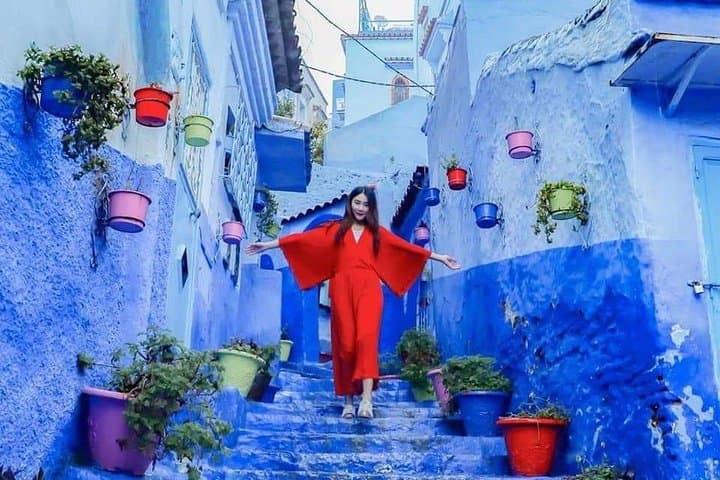
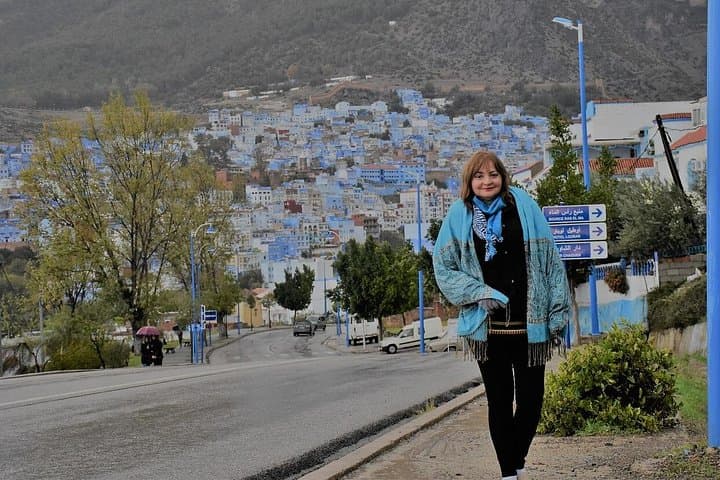
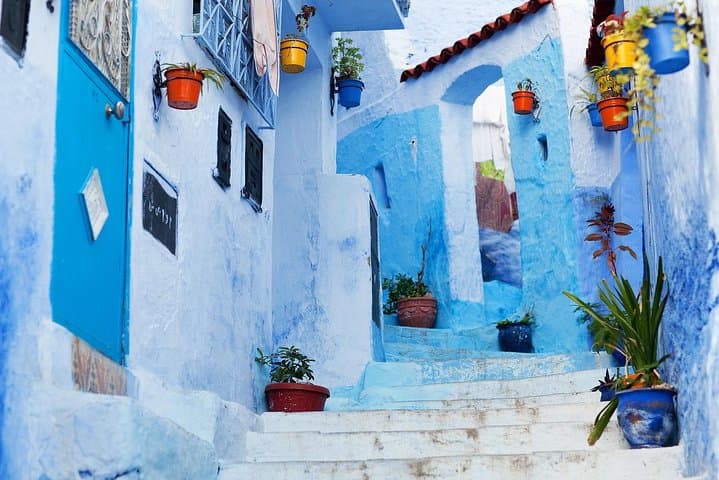
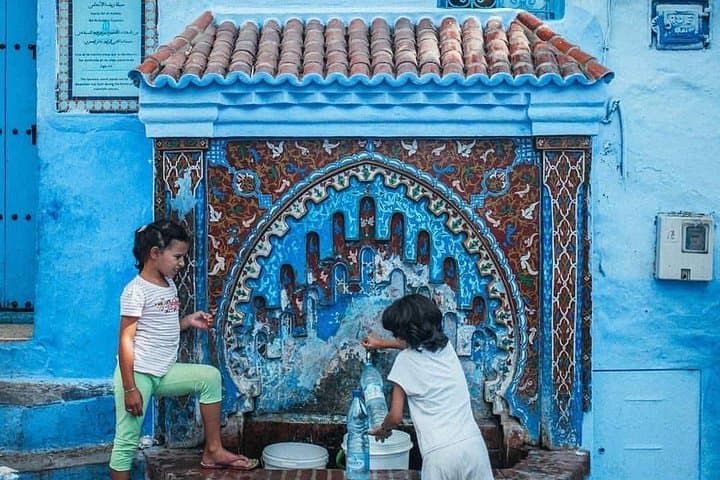
You arrive before the medina fully wakes: blue-washed alleys cool under the morning light, the Rif Mountains pressing close like a weathered map. The minaret of the Great Mosque punctuates the skyline while leatherworkers and weavers begin to open shutters. A small-group minivan drops you near Place Outa el Hammam and the city unfurls, step by step.
You arrive before the medina fully wakes: blue-washed alleys cool under the morning light, the Rif Mountains pressing close like a weathered map. The minaret of the Great Mosque punctuates the skyline while leatherworkers and weavers begin to open shutters. A small-group minivan drops you near Place Outa el Hammam and the city unfurls, step by step.
Chefchaouen sits in a fold of the Rif range; its blue pigment has roots in Andalusian influence and local dyeing practices that date back centuries. The Kasbah at the main square—its red walls and 15th-century stones—points to the town’s layered past of Berber settlement and later Morisco and Jewish communities who helped shape the town’s textile and dye traditions.
Geology is visible in the surrounding hills: limestone ridges eroded into terraces and gullies that channel winter runoff toward olive groves and terraced fields. Culture here is tactile—handwoven rugs, argan and olive products, small cafes where mint tea is poured with a practiced wrist.
Practically, a day trip from Fez is straightforward but full. Expect about a two-to-three-hour drive each way through mountain villages, a few hours walking on steep, uneven cobbles in the medina, and time for shopping and a relaxed lunch. Wear sturdy shoes, carry water, and plan on mid-morning arrival for the best light and fewer crowds. If you want deeper exploration, stay overnight in Chefchaouen to use dawn and dusk—the blue changes with the sun.