THE ADVENTURE COLLECTIVE® · Independent discovery and booking for outdoor travel

A full-day run from Fes delivers blue-washed alleys, an 18th-century kasbah and river-sliced medina views. Expect long road time, cobbled streets and excellent photo opportunities—ideal for travelers who want a compact cultural and scenic day trip.
A full-day run from Fes delivers blue-washed alleys, an 18th-century kasbah and river-sliced medina views. Expect long road time, cobbled streets and excellent photo opportunities—ideal for travelers who want a compact cultural and scenic day trip.
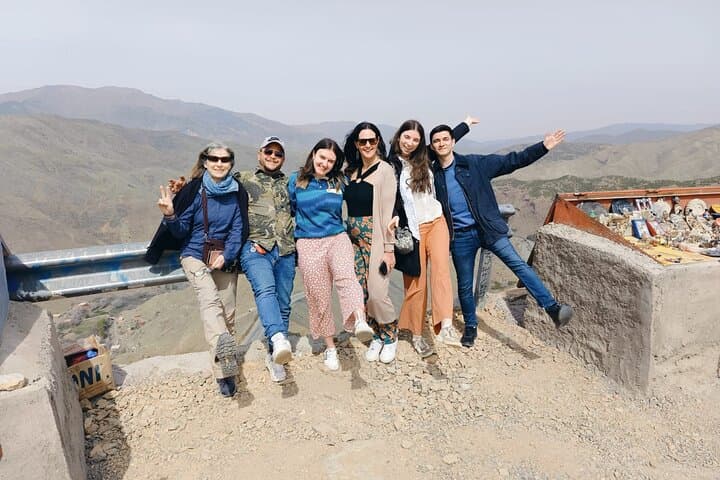
By dawn the minivan eases out of Fes and the landscape opens into folded ridges of the Rif Mountains, pale limestone rising like pages of a weathered map. Arrival in Chefchaouen drops you into alleys painted in cobalt, cornflower and sky—streets that seem to slow time and demand careful footsteps over worn cobbles.
Verified experiences and guided adventures in the surrounding area.
Operated by 3T Travel · Chefchaouen, Tanger-Tetouan-Al Hoceima
By dawn the minivan eases out of Fes and the landscape opens into folded ridges of the Rif Mountains, pale limestone rising like pages of a weathered map. Arrival in Chefchaouen drops you into alleys painted in cobalt, cornflower and sky—streets that seem to slow time and demand careful footsteps over worn cobbles.
Founded in the late 15th century as a refuge for Andalusian exiles, Chefchaouen's blue facades reflect both a layered history and a practical climate response; the town sits on the northern slopes of the Rif, where calciferous bedrock channels clear, cold springs such as Ras Elma through the medina. Cultural threads from Berber, Andalusian and Jewish communities appear in the kasbah, small craft shops, and the town's relaxed café culture.
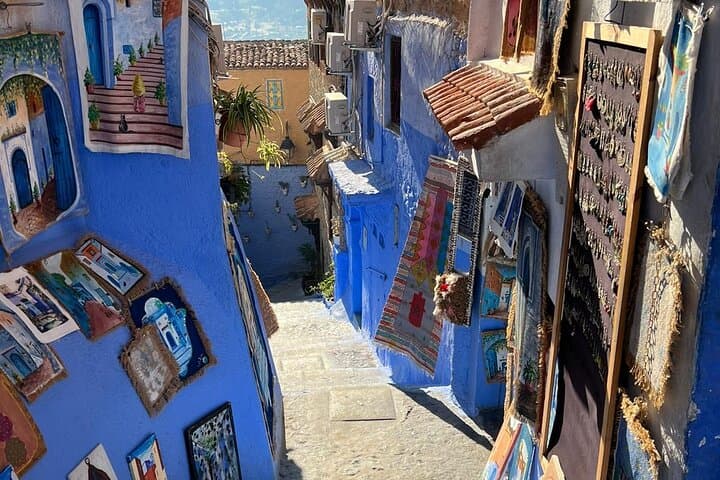
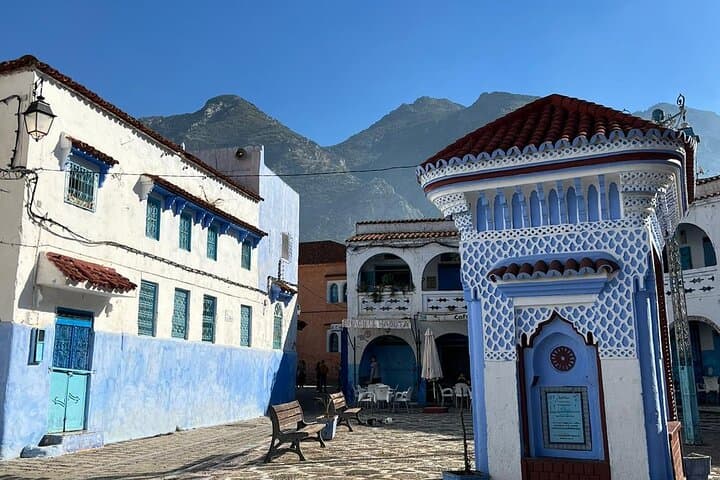
Visitors typically have about four hours to explore: wander Plaza Uta el-Hammam, photograph stair-lined alleys, visit the 18th-century kasbah museum, and walk to a viewpoint above the medina for a western-facing sunset. Expect uneven cobbles, narrow staircases and short, steep streets.
Practical guidance: this is a long day—roughly 3.5–4 hours each way by road from Fes—so plan for 12 hours total. Wear grippy shoes, bring at least 1–1.5 liters of water, carry small-denomination dirham for purchases, and respect local dress norms in religious sites (the Grand Mosque is not open to non-Muslims). Morning arrivals avoid the hottest hours and the largest coach crowds; late afternoon light is best for photos. The trip balances easy walking with significant transit time—ideal for travelers who want a concentrated cultural and photographic experience without an overnight stay.
moderate.
Approximately 12 hours (full day).
Moderate fitness recommended—able to walk on uneven surfaces and climb short stair sections repeatedly
The drive typically takes about 3.5–4 hours one way depending on traffic and stops, making the full outing a roughly 10–12 hour day.
Yes—most itineraries include time in the medina for lunch; bring cash and consider arriving early to avoid queues at popular cafés.
No—the Grand Mosque in the medina is generally closed to non-Muslims; you can photograph the exterior and explore nearby public spaces.
The medina has many narrow, steep streets and uneven cobbles; accessibility is limited and the tour is not recommended for travelers with significant mobility constraints.
Chefchaouen was founded in the late 15th century by Andalusian exiles and developed distinct architectural and cultural ties to southern Spain; the kasbah museum reflects 18th-century fortification and local life.
Tourism concentrates in the medina—supporting local artisans and using refillable water reduces waste; stick to marked paths above the town to avoid eroding fragile limestone slopes.
3T Travel operates guided outdoor trips and adventures with an emphasis on safety, stewardship, and memorable experiences.
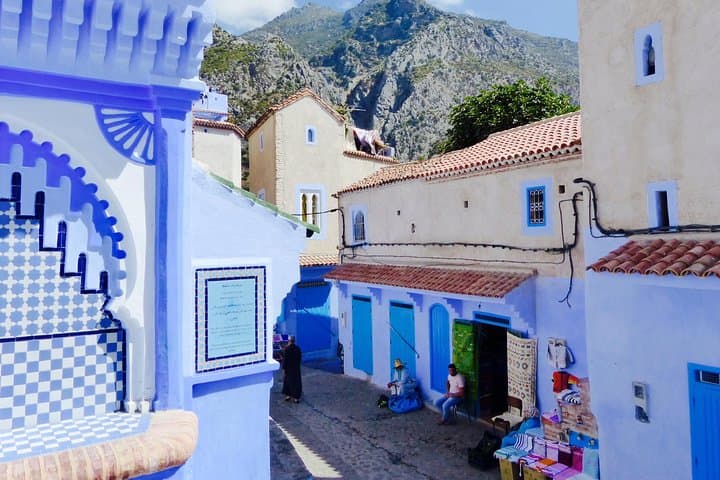
By dawn the minivan eases out of Fes and the landscape opens into folded ridges of the Rif Mountains, pale limestone rising like pages of a weathered map. Arrival in Chefchaouen drops you into alleys painted in cobalt, cornflower and sky—streets that seem to slow time and demand careful footsteps over worn cobbles.
By dawn the minivan eases out of Fes and the landscape opens into folded ridges of the Rif Mountains, pale limestone rising like pages of a weathered map. Arrival in Chefchaouen drops you into alleys painted in cobalt, cornflower and sky—streets that seem to slow time and demand careful footsteps over worn cobbles.
Founded in the late 15th century as a refuge for Andalusian exiles, Chefchaouen's blue facades reflect both a layered history and a practical climate response; the town sits on the northern slopes of the Rif, where calciferous bedrock channels clear, cold springs such as Ras Elma through the medina. Cultural threads from Berber, Andalusian and Jewish communities appear in the kasbah, small craft shops, and the town's relaxed café culture.
Visitors typically have about four hours to explore: wander Plaza Uta el-Hammam, photograph stair-lined alleys, visit the 18th-century kasbah museum, and walk to a viewpoint above the medina for a western-facing sunset. Expect uneven cobbles, narrow staircases and short, steep streets.
Practical guidance: this is a long day—roughly 3.5–4 hours each way by road from Fes—so plan for 12 hours total. Wear grippy shoes, bring at least 1–1.5 liters of water, carry small-denomination dirham for purchases, and respect local dress norms in religious sites (the Grand Mosque is not open to non-Muslims). Morning arrivals avoid the hottest hours and the largest coach crowds; late afternoon light is best for photos. The trip balances easy walking with significant transit time—ideal for travelers who want a concentrated cultural and photographic experience without an overnight stay.