THE ADVENTURE COLLECTIVE® · Independent discovery and booking for outdoor travel

Spend a day wandering Chefchaouen’s iconic blue medina, from sunlit alleys to a kasbah overlook. This practical guide covers what to expect, local context, and essential tips for a smooth, photo-ready visit.
Spend a day wandering Chefchaouen’s iconic blue medina, from sunlit alleys to a kasbah overlook. This practical guide covers what to expect, local context, and essential tips for a smooth, photo-ready visit.
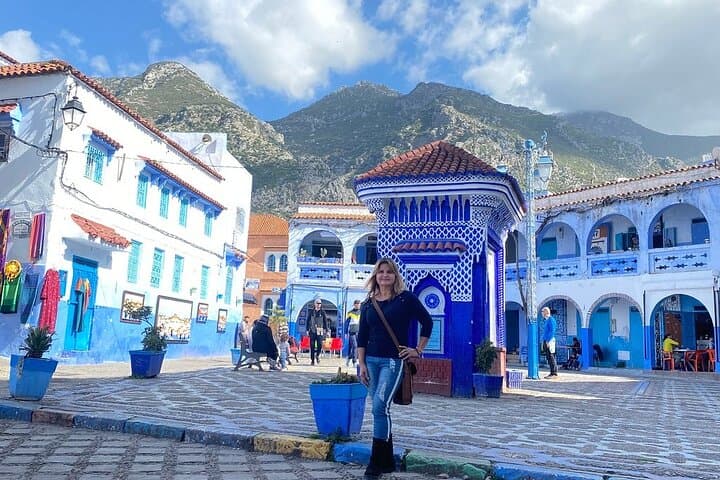
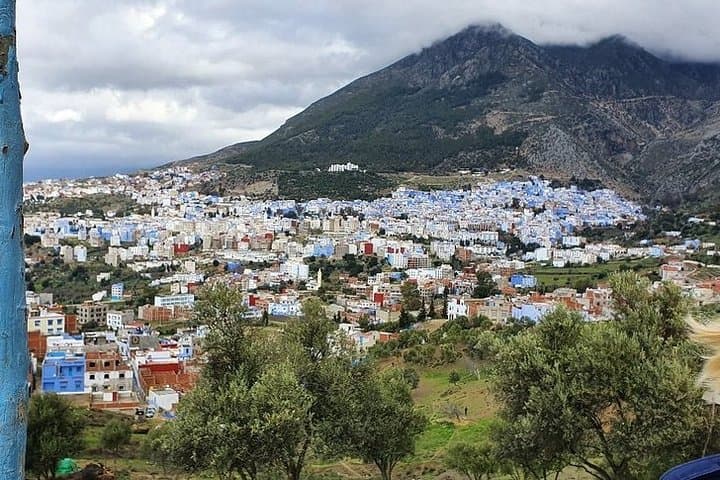
The narrow alleys of Chefchaouen open like a set of blue-painted pages, each turn lifting your view higher toward the Rif Mountains.
Verified experiences and guided adventures in the surrounding area.
Operated by MOROCCO TRIP DESERT · Chefchaouen, Tanger-Tetouan-Al Hoceima
The narrow alleys of Chefchaouen open like a set of blue-painted pages, each turn lifting your view higher toward the Rif Mountains.
On a typical day-trip from Fez travelers arrive to find a compact medina where walls, doors and stairways wear shades of ultramarine and sky. The town’s color is at once practical and aesthetic—historically tied to Jewish dyeing techniques and local beliefs about cleanliness—and it gives the lanes a cool, reflective light that softens midday heat.
Geologically, Chefchaouen sits on folded limestone foothills of the Rif; the surrounding peaks cradle small springs that fed early settlements and created terraced olive groves. Culturally the town blends Berber, Andalusian and later Moroccan influences: listen for Spanish phrases in markets and note the terracotta rooflines that recall Andalusian architecture.
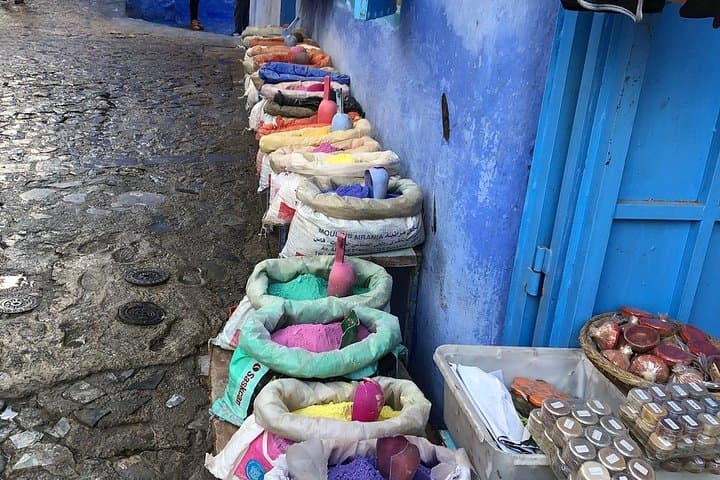
Expect an easy, largely pedestrian day: three hours inside the medina is typical, with time to browse textiles, try a sweet mint tea, and climb to the kasbah plaza for a wide-angle view. The streets can be steep and uneven and the blue hues make for strong photographic contrast—bring a neutral jacket to manage exposure on sunny days.
Practical guidance: go early to avoid tour-group rush, carry small bills for market purchases, wear closed-toe shoes for cobbles, and pack a reusable bottle—the town’s springs and fountains make refills easy. The experience rewards slow walking: the blue city invites you to slow down, follow a stairway and let the alleyways decide the route.
easy.
8 hours.
Suitable for most fitness levels; involves walking on uneven cobbles and short stair climbs
The full excursion is about 8 hours including travel time; expect roughly three hours to explore the medina itself.
Many main streets are uneven and stepped; while some areas are wheelchair accessible, full access is limited—check operator details for transport accessibility.
This tour typically includes a guide and soda; confirm with the operator if a lunch stop is provided or if you should budget for meals.
Yes—Chefchaouen is known for handwoven rugs, wool garments and pottery; bring cash and be prepared to haggle politely.
Founded in the 15th century as a fortress city, Chefchaouen later absorbed Andalusian refugees and Jewish dyeing traditions that helped shape its blue-painted identity.
Local guides encourage simple measures—using refillable bottles, buying from local artisans, and staying on established paths to protect fragile plaster and stonework.
MOROCCO TRIP DESERT operates guided outdoor trips and adventures with an emphasis on safety, stewardship, and memorable experiences.

The narrow alleys of Chefchaouen open like a set of blue-painted pages, each turn lifting your view higher toward the Rif Mountains.
The narrow alleys of Chefchaouen open like a set of blue-painted pages, each turn lifting your view higher toward the Rif Mountains.
On a typical day-trip from Fez travelers arrive to find a compact medina where walls, doors and stairways wear shades of ultramarine and sky. The town’s color is at once practical and aesthetic—historically tied to Jewish dyeing techniques and local beliefs about cleanliness—and it gives the lanes a cool, reflective light that softens midday heat.
Geologically, Chefchaouen sits on folded limestone foothills of the Rif; the surrounding peaks cradle small springs that fed early settlements and created terraced olive groves. Culturally the town blends Berber, Andalusian and later Moroccan influences: listen for Spanish phrases in markets and note the terracotta rooflines that recall Andalusian architecture.
Expect an easy, largely pedestrian day: three hours inside the medina is typical, with time to browse textiles, try a sweet mint tea, and climb to the kasbah plaza for a wide-angle view. The streets can be steep and uneven and the blue hues make for strong photographic contrast—bring a neutral jacket to manage exposure on sunny days.
Practical guidance: go early to avoid tour-group rush, carry small bills for market purchases, wear closed-toe shoes for cobbles, and pack a reusable bottle—the town’s springs and fountains make refills easy. The experience rewards slow walking: the blue city invites you to slow down, follow a stairway and let the alleyways decide the route.