THE ADVENTURE COLLECTIVE® · Independent discovery and booking for outdoor travel

A full-day small-group trip from Rome to Capri that combines fast-ferry crossings, a guided walk through Capri’s Piazzetta, a possible visit to the Blue Grotto and time in Anacapri for panoramic views. Plan for a long day, variable sea conditions and steep, stair-filled exploration.
A full-day small-group trip from Rome to Capri that combines fast-ferry crossings, a guided walk through Capri’s Piazzetta, a possible visit to the Blue Grotto and time in Anacapri for panoramic views. Plan for a long day, variable sea conditions and steep, stair-filled exploration.
You step off the fast ferry and the sea coughs up a clean, briny scent; limestone cliffs rise like pale walls and the town of Capri perches above like a lookout. The Piazzetta hums with espresso cups and animated conversation, a small square that feels both theatrical and lived-in.
Verified experiences and guided adventures in the surrounding area.
Operated by Mamma Mia Italia · Capri, Metropolitan City of Naples
You step off the fast ferry and the sea coughs up a clean, briny scent; limestone cliffs rise like pale walls and the town of Capri perches above like a lookout. The Piazzetta hums with espresso cups and animated conversation, a small square that feels both theatrical and lived-in.
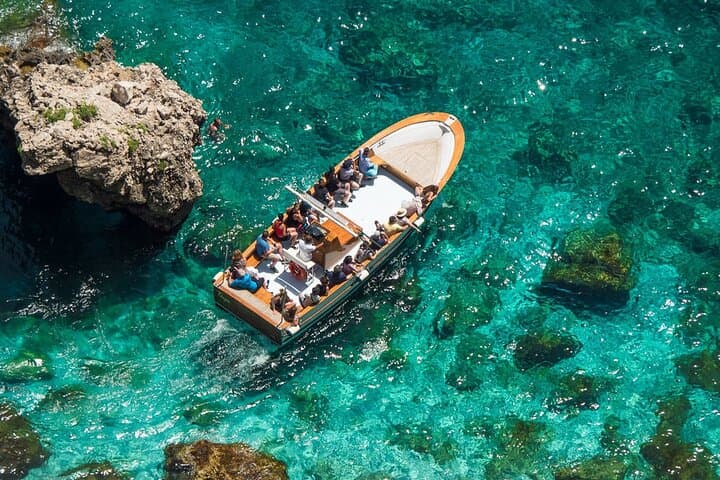
Capri’s history folds Roman villas, medieval watchtowers and later 19th‑century visitor culture into its rock. Geologically, the island is limestone and dolomite carved by sea and rain—Grotta Azzurra (Blue Grotto) is the island’s theatre of light, where a submerged aperture refracts sunlight into an electric blue glow. Culturally, Capri split between the bustling main town and quieter Anacapri, whose narrow lanes, craft shops and church plazas reveal an island rhythm slower than its jet-set image.
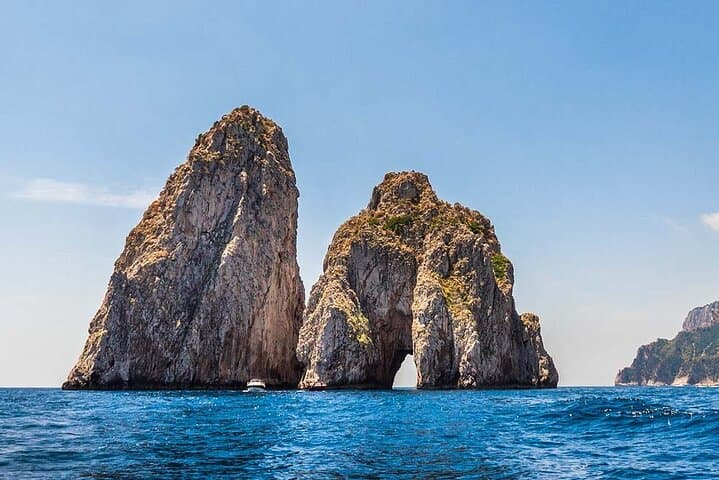
Expect jagged coastal views, short climbs and stair-lined alleys. A guided walk through Capri visits boutiques and viewpoints; the funicular or winding road takes you to Marina Grande or up to Anacapri for higher panoramas of the Bay of Naples and Vesuvius. Weather dictates intimate experiences—the Blue Grotto is only accessible in calm seas, otherwise a circumnavigation by boat highlights the Faraglioni stacks.
Practical guidance: this is a long, full-day outing from Rome (about 15 hours total), so plan for early pickup and late return. Bring layered clothing, non-slip shoes for wet boat decks and cash for small vendors and the Anacapri chairlift. Hydrate before boarding, and time your visit outside midday if you want quieter alleys. On busy days, move deliberately through the Piazzetta—space is limited but the views are wide.
easy.
15 hours.
Light fitness—able to stand for transfers, walk uneven stone streets and climb short flights of stairs.
The entire outing is roughly 15 hours door-to-door, including round-trip transfers between Rome and the port, ferry crossings and time on the island.
Access to the Blue Grotto depends on sea conditions; if it’s closed the operator typically offers a boat loop around the island and views of the Faraglioni instead.
Yes—this tour is described as physically easy, but expect stairs and some standing during boat transfers; inform the operator of mobility needs ahead of time.
Bring small change in euros for funiculars, chairlifts and small vendors; credit cards may not be accepted everywhere.
Capri was a favored Roman retreat—Emperor Tiberius built villas here in the 1st century AD, leaving archaeological traces and a legacy of elite visits that shaped the island’s later reputation.
Capri handles heavy tourism on a small footprint; stick to marked paths, avoid single‑use plastics where possible and respect local signage in fragile coastal caves.
Mamma Mia Italia operates guided outdoor trips and adventures with an emphasis on safety, stewardship, and memorable experiences.
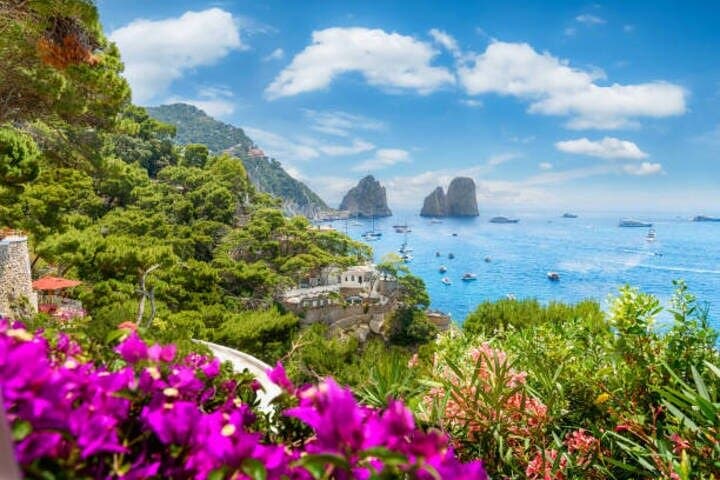
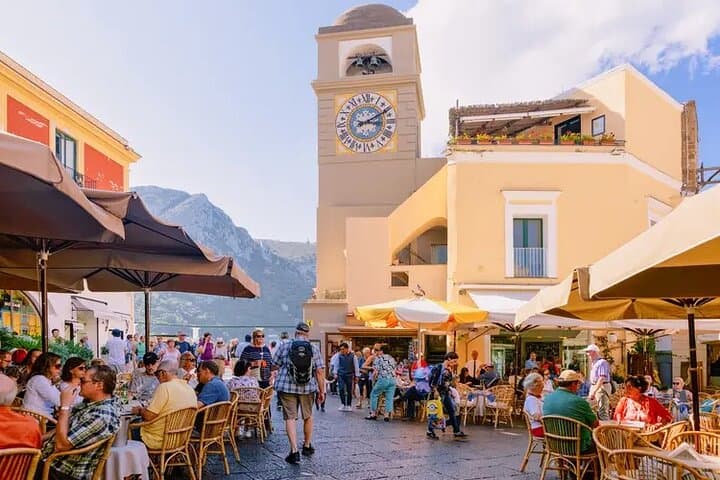
You step off the fast ferry and the sea coughs up a clean, briny scent; limestone cliffs rise like pale walls and the town of Capri perches above like a lookout. The Piazzetta hums with espresso cups and animated conversation, a small square that feels both theatrical and lived-in.
You step off the fast ferry and the sea coughs up a clean, briny scent; limestone cliffs rise like pale walls and the town of Capri perches above like a lookout. The Piazzetta hums with espresso cups and animated conversation, a small square that feels both theatrical and lived-in.
Capri’s history folds Roman villas, medieval watchtowers and later 19th‑century visitor culture into its rock. Geologically, the island is limestone and dolomite carved by sea and rain—Grotta Azzurra (Blue Grotto) is the island’s theatre of light, where a submerged aperture refracts sunlight into an electric blue glow. Culturally, Capri split between the bustling main town and quieter Anacapri, whose narrow lanes, craft shops and church plazas reveal an island rhythm slower than its jet-set image.
Expect jagged coastal views, short climbs and stair-lined alleys. A guided walk through Capri visits boutiques and viewpoints; the funicular or winding road takes you to Marina Grande or up to Anacapri for higher panoramas of the Bay of Naples and Vesuvius. Weather dictates intimate experiences—the Blue Grotto is only accessible in calm seas, otherwise a circumnavigation by boat highlights the Faraglioni stacks.
Practical guidance: this is a long, full-day outing from Rome (about 15 hours total), so plan for early pickup and late return. Bring layered clothing, non-slip shoes for wet boat decks and cash for small vendors and the Anacapri chairlift. Hydrate before boarding, and time your visit outside midday if you want quieter alleys. On busy days, move deliberately through the Piazzetta—space is limited but the views are wide.