THE ADVENTURE COLLECTIVE® · Independent discovery and booking for outdoor travel

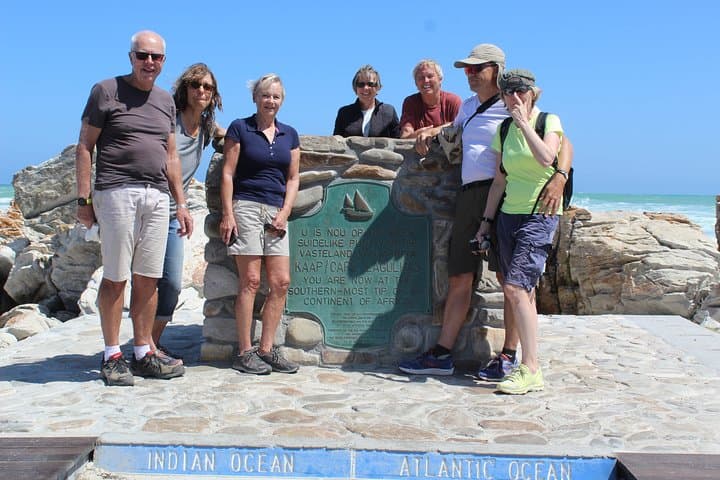
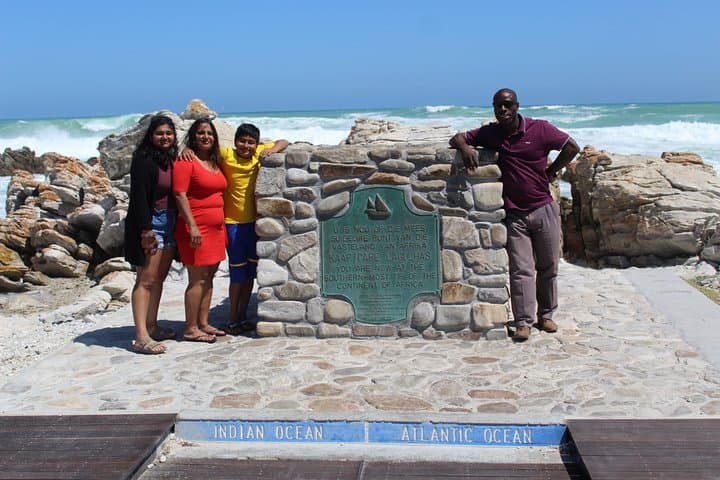
A full-day transfer from Cape Town to Cape Agulhas delivers lighthouse views, shipwreck history and the rare chance to stand at Africa’s southernmost point where two oceans collide. Expect coastal walks, fresh seafood and local wines on this accessible day trip.
A full-day transfer from Cape Town to Cape Agulhas delivers lighthouse views, shipwreck history and the rare chance to stand at Africa’s southernmost point where two oceans collide. Expect coastal walks, fresh seafood and local wines on this accessible day trip.
The bus eases off the N2 and the landscape opens: fynbos-streaked slopes give way to wide, scrubby plains and a coastline that claims the horizon. Wind pushes against the lighthouse, salt spray daring you closer; underfoot, the rocky shore hums with history and the slow work of waves.
Verified experiences and guided adventures in the surrounding area.
Operated by Remigeous Tsuro · Cape Agulhas, Western Cape
The bus eases off the N2 and the landscape opens: fynbos-streaked slopes give way to wide, scrubby plains and a coastline that claims the horizon. Wind pushes against the lighthouse, salt spray daring you closer; underfoot, the rocky shore hums with history and the slow work of waves.
Cape Agulhas sits at the geological meeting point of the Atlantic and Indian Oceans, a place chartmakers have marked for centuries. The coastline is sculpted by Agulhas currents and the submerged Agulhas Reef, which explains the many shipwrecks displayed at the Shipwreck Museum in nearby Bredasdorp. The area’s geology is largely Table Mountain sandstone and younger coastal deposits; fynbos—South Africa’s signature shrubland—defines the colors and scents along the paths.
Locals keep a practical relationship with the sea: fishing is a livelihood here, and weekly Jukskei matches show a tight community rhythm. Small galleries and family-run restaurants serve fresh catch and wines from nearby farms, reflecting a culture grounded in both ocean and land.
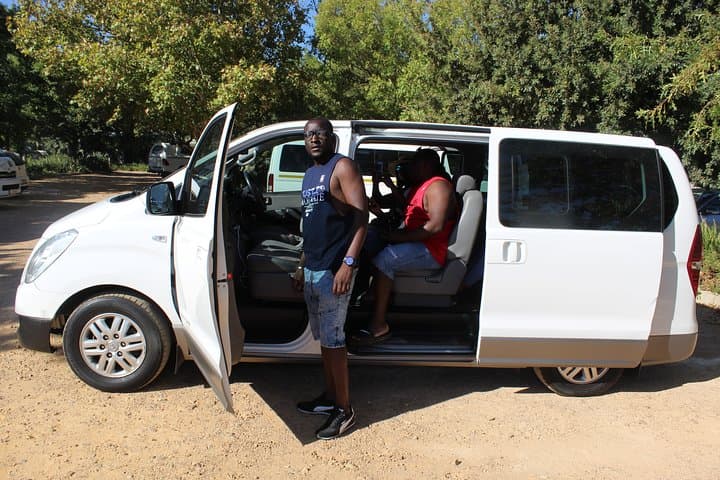
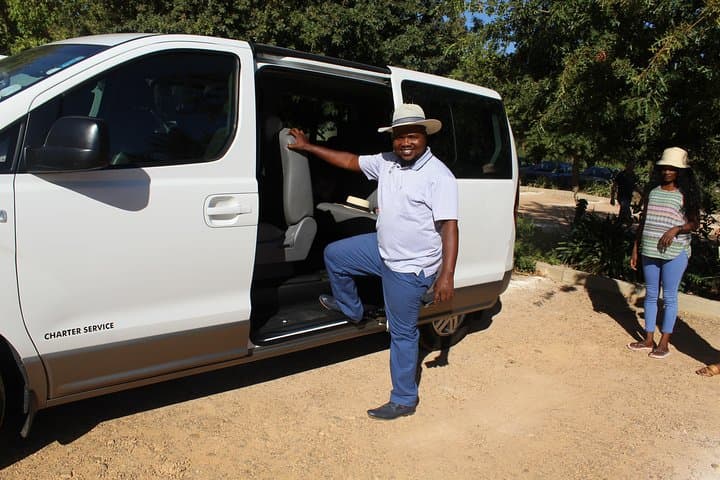
Practical guide: expect a full-day transfer (~8 hours) from Cape Town with guided stops at Bredasdorp, Struisbaai, the lighthouse and the Southernmost Point monument. Wear sturdy shoes for rocky walking, carry windproof layers, and respect tidal pools—swimming is possible in calm conditions but currents can be strong. Bring a camera, small cash for crafts and wine tastings, and check seasonal sea conditions before planning a dip. The trip rewards patient observers—shorebirds, sculpted rocks and the slow meeting of two oceans.
moderate.
8 hours.
Suitable for travelers with light to moderate fitness; able to manage short walks on uneven, rocky terrain and climb the lighthouse steps.
Direct driving time is about 2.5–3 hours each way, making this a full-day (≈8-hour) excursion including stops.
Many areas visited, including museum access and some viewpoints, are wheelchair accessible, but rocky shore sections and tidal pools may not be suitable for wheelchairs.
Yes—there are tidal pools and sheltered spots for swimming in calm weather, but open ocean currents are strong; always check conditions with your guide.
Yes—there are local restaurants serving fresh fish and opportunities to buy wine at cellar doors and small shops along the route.
The Cape Agulhas Lighthouse (built in 1848) guided ships away from the hazardous Agulhas Reef; the region has a long maritime history marked by numerous wrecks.
The Agulhas coastline is part of sensitive fynbos habitat and marine ecosystems—stick to marked paths, avoid removing shellfish and support local conservation-minded vendors.
Remigeous Tsuro operates guided outdoor trips and adventures with an emphasis on safety, stewardship, and memorable experiences.
The bus eases off the N2 and the landscape opens: fynbos-streaked slopes give way to wide, scrubby plains and a coastline that claims the horizon. Wind pushes against the lighthouse, salt spray daring you closer; underfoot, the rocky shore hums with history and the slow work of waves.
The bus eases off the N2 and the landscape opens: fynbos-streaked slopes give way to wide, scrubby plains and a coastline that claims the horizon. Wind pushes against the lighthouse, salt spray daring you closer; underfoot, the rocky shore hums with history and the slow work of waves.
Cape Agulhas sits at the geological meeting point of the Atlantic and Indian Oceans, a place chartmakers have marked for centuries. The coastline is sculpted by Agulhas currents and the submerged Agulhas Reef, which explains the many shipwrecks displayed at the Shipwreck Museum in nearby Bredasdorp. The area’s geology is largely Table Mountain sandstone and younger coastal deposits; fynbos—South Africa’s signature shrubland—defines the colors and scents along the paths.
Locals keep a practical relationship with the sea: fishing is a livelihood here, and weekly Jukskei matches show a tight community rhythm. Small galleries and family-run restaurants serve fresh catch and wines from nearby farms, reflecting a culture grounded in both ocean and land.
Practical guide: expect a full-day transfer (~8 hours) from Cape Town with guided stops at Bredasdorp, Struisbaai, the lighthouse and the Southernmost Point monument. Wear sturdy shoes for rocky walking, carry windproof layers, and respect tidal pools—swimming is possible in calm conditions but currents can be strong. Bring a camera, small cash for crafts and wine tastings, and check seasonal sea conditions before planning a dip. The trip rewards patient observers—shorebirds, sculpted rocks and the slow meeting of two oceans.