THE ADVENTURE COLLECTIVE® · Independent discovery and booking for outdoor travel

Fly from Sharm El Sheikh to Cairo in a single day to see the Pyramids of Giza, the Great Sphinx and the Grand Egyptian Museum. This full‑day private tour packs Egypt’s greatest hits into a practical, well‑paced itinerary with guided access and lunch included.
Fly from Sharm El Sheikh to Cairo in a single day to see the Pyramids of Giza, the Great Sphinx and the Grand Egyptian Museum. This full‑day private tour packs Egypt’s greatest hits into a practical, well‑paced itinerary with guided access and lunch included.
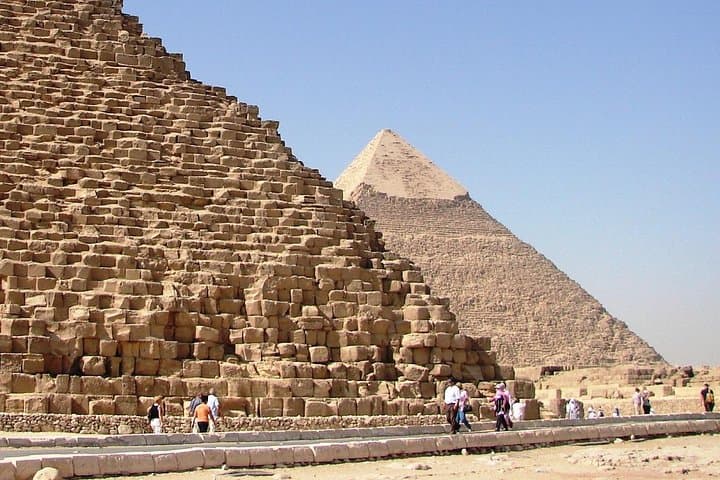
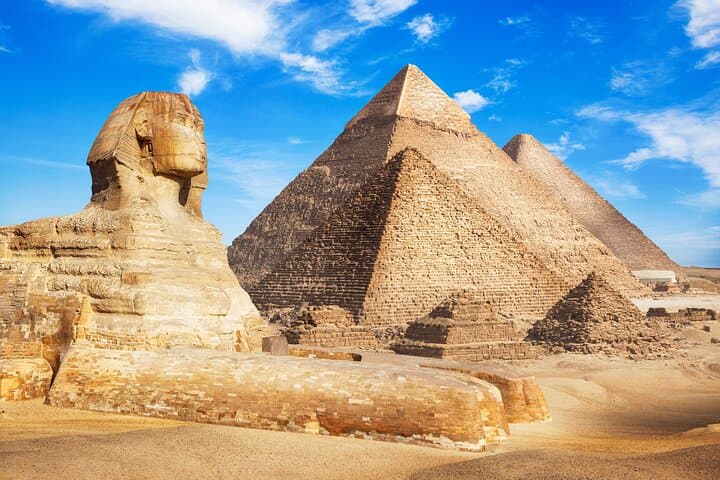
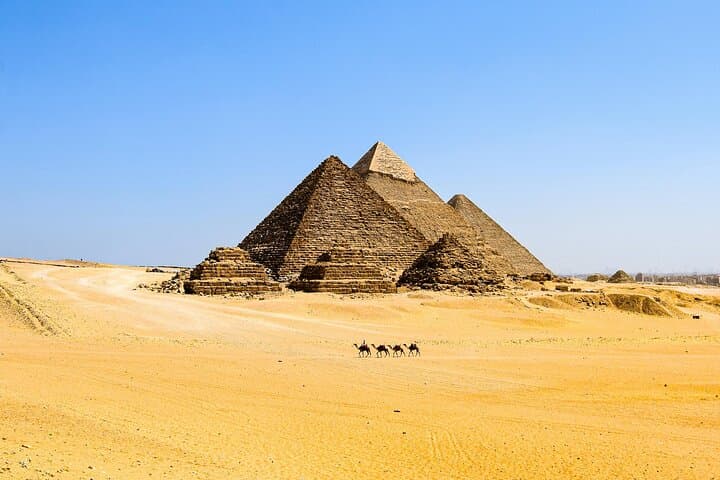
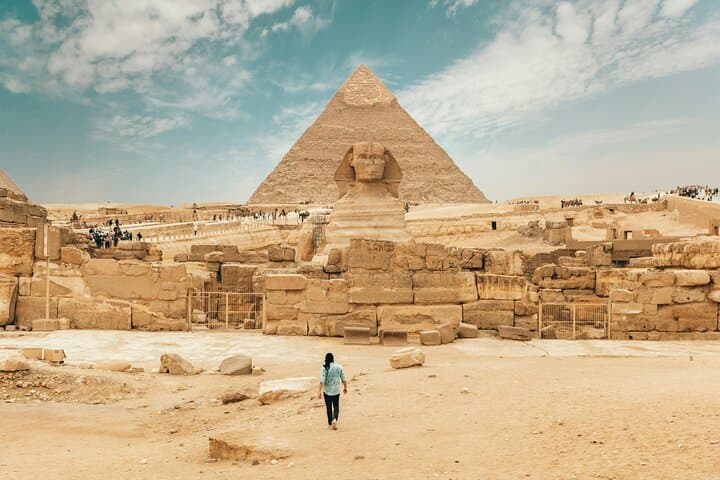
You step off the small plane and the air changes — warm, dry, and ancient. In a single day you move from the Red Sea coast to the broad limestone sweep of the Giza Plateau, where the three great pyramids rise like engineered hills and the Sphinx holds its steady, inscrutable watch.
Verified experiences and guided adventures in the surrounding area.
Operated by NORTH AFRICAN SHIPPING AND TOURISM COMPANY (NASCO TOURS) · Giza, Giza Governorate
You step off the small plane and the air changes — warm, dry, and ancient. In a single day you move from the Red Sea coast to the broad limestone sweep of the Giza Plateau, where the three great pyramids rise like engineered hills and the Sphinx holds its steady, inscrutable watch.
The plateau is a late-Neolithic to Old Kingdom landscape: quarried bedrock uplifted into an arena of funerary architecture. The pyramids themselves are solid lessons in geology and logistics — massive limestone blocks, the faint abrasions of centuries of wind, and a layout that aligns with ancient ritual and solar cycles. Nearby, the Grand Egyptian Museum stages millennia of material culture, shifting artifacts from mud-brick tombs to climate-controlled galleries where Tutankhamun’s treasures are displayed with new conservation standards.
Cairo’s history is layered: Pharaonic monuments, Islamic Cairo’s narrow lanes, and a modern metropolis fed by the Nile. That mix is evident in practical ways — expect controlled crowds, security checkpoints, and regulated routes that protect fragile sites. Local guides translate hieroglyphs into narrative and steer you away from tourist traps and toward quieter viewpoints on the plateau.
Practical guidance: this is a long day with airport transfers, so carry valid travel documents, bottled water, sun protection, and a small daypack. Wear comfortable walking shoes — surfaces are uneven and sandy — and plan photo stops early in the visit for softer light. Respect posted rules (climbing pyramids is illegal) and allow buffer time for security and traffic when returning to Sharm El Sheikh.
easy.
10 hours.
Suitable for travelers of average mobility; expect moderate walking and standing for long stretches.
This tour includes admission to the Pyramids area and the Grand Egyptian Museum as indicated in the itinerary; confirm specific ticket inclusions at booking.
Expect several kilometers of walking and standing, mostly on flat but uneven surfaces; there is limited uphill and no technical hiking.
Yes — the tour is marked suitable for all fitness levels, though families with very young children or travelers with serious mobility issues should request assistance and plan for airport transfers.
No — climbing the pyramids is prohibited and touching artifacts is not allowed; follow guide instructions and posted conservation rules.
The Giza Plateau holds funerary complexes dating to Egypt’s Fourth Dynasty; the Grand Egyptian Museum centralizes artifacts moved from older, space-limited museums to modern conservation facilities.
Sites are under active preservation programs — stay on marked paths, avoid littering, and heed guide directions to minimize wear on ancient stone and museum exhibits.
NORTH AFRICAN SHIPPING AND TOURISM COMPANY (NASCO TOURS) operates guided outdoor trips and adventures with an emphasis on safety, stewardship, and memorable experiences.
You step off the small plane and the air changes — warm, dry, and ancient. In a single day you move from the Red Sea coast to the broad limestone sweep of the Giza Plateau, where the three great pyramids rise like engineered hills and the Sphinx holds its steady, inscrutable watch.
You step off the small plane and the air changes — warm, dry, and ancient. In a single day you move from the Red Sea coast to the broad limestone sweep of the Giza Plateau, where the three great pyramids rise like engineered hills and the Sphinx holds its steady, inscrutable watch.
The plateau is a late-Neolithic to Old Kingdom landscape: quarried bedrock uplifted into an arena of funerary architecture. The pyramids themselves are solid lessons in geology and logistics — massive limestone blocks, the faint abrasions of centuries of wind, and a layout that aligns with ancient ritual and solar cycles. Nearby, the Grand Egyptian Museum stages millennia of material culture, shifting artifacts from mud-brick tombs to climate-controlled galleries where Tutankhamun’s treasures are displayed with new conservation standards.
Cairo’s history is layered: Pharaonic monuments, Islamic Cairo’s narrow lanes, and a modern metropolis fed by the Nile. That mix is evident in practical ways — expect controlled crowds, security checkpoints, and regulated routes that protect fragile sites. Local guides translate hieroglyphs into narrative and steer you away from tourist traps and toward quieter viewpoints on the plateau.
Practical guidance: this is a long day with airport transfers, so carry valid travel documents, bottled water, sun protection, and a small daypack. Wear comfortable walking shoes — surfaces are uneven and sandy — and plan photo stops early in the visit for softer light. Respect posted rules (climbing pyramids is illegal) and allow buffer time for security and traffic when returning to Sharm El Sheikh.