THE ADVENTURE COLLECTIVE® · Independent discovery and booking for outdoor travel

Make the most of a single day: fly from Sharm El Sheikh to Cairo to visit the Egyptian Museum and Giza Pyramids with an Egyptologist. This full-day, private tour pairs curated history with on-site context at the valley temple and Sphinx.
Make the most of a single day: fly from Sharm El Sheikh to Cairo to visit the Egyptian Museum and Giza Pyramids with an Egyptologist. This full-day, private tour pairs curated history with on-site context at the valley temple and Sphinx.
You step off the early morning shuttle and into the glare of a short domestic flight; by midmorning Cairo unfolds — dust-scented air, traffic thrum, and the slow, monumental presence of stone. Your Egyptologist meets you at the airport and the city’s layers begin to peel back: gilded funerary masks in a climate-controlled hall, then the dry wind and open sky at Giza where the pyramids grow larger as you approach.
Verified experiences and guided adventures in the surrounding area.
Operated by Special trips · Cairo, Cairo Governorate
You step off the early morning shuttle and into the glare of a short domestic flight; by midmorning Cairo unfolds — dust-scented air, traffic thrum, and the slow, monumental presence of stone. Your Egyptologist meets you at the airport and the city’s layers begin to peel back: gilded funerary masks in a climate-controlled hall, then the dry wind and open sky at Giza where the pyramids grow larger as you approach.
Cairo is a city of millennia: Pharaonic necropolises rooted on limestone bedrock, medieval streets that grew around Fatimid mosques, and a modern sprawl shaped by the Nile’s floodplain. Geology matters here — the Giza Plateau’s calibrated bedrock and the Nile Valley’s alluvial plain made large-scale construction and agriculture possible for ancient Egypt.
Between museum halls and the valley temple you’ll touch cultural threads — papyrus-making demonstrations, the Sphinx’s weathered face, and a riverside lunch where the Nile imposes its steady pace.
Practical guidance: this is a long, logistically dense day (roughly 14–16 hours including flights and transfers). Dress in breathable layers for museum interiors and hot, dusty outdoor sites; good walking shoes for uneven stone and loose sand; carry photocopies of travel documents and allow buffer time for security lines.
Expect guided context at each stop, modest shopping opportunities at papyrus and perfume studios, and a full return to Sharm El Sheikh late in the day. It’s an efficient way to pair museum scholarship with the elemental scale of the pyramids — intense, educational, and physically straightforward if you plan for a very long day.
moderate.
14–16 hours.
Suitable for travelers who can manage a full day of walking and transfers; mostly low-intensity walking with occasional uneven terrain.
Expect a 14–16 hour door-to-door day: early pickup in Sharm El Sheikh, round-trip flights, a full guided day in Cairo, and late return.
Yes — the tour includes domestic flight tickets, specified site visits, lunch, transfers, and taxes as listed in the inclusions.
Yes; the itinerary is classified as physically easy to moderate, but it involves a long day and some walking on uneven ground — discuss special needs when booking.
Yes — the itinerary includes stops at a papyrus institute and a perfume salon where purchases can be made; expect typical visitor prices and haggling at markets.
Cairo grew from a mix of Pharaonic, Greco-Roman, Islamic and Ottoman layers; the Giza necropolis dates to Egypt’s Fourth Dynasty, around 2600–2500 BCE.
Visitor numbers and vehicle access strain the Giza Plateau; follow guided paths, avoid climbing monuments, and use licensed vendors to support regulated tourism.
Special trips operates guided outdoor trips and adventures with an emphasis on safety, stewardship, and memorable experiences.


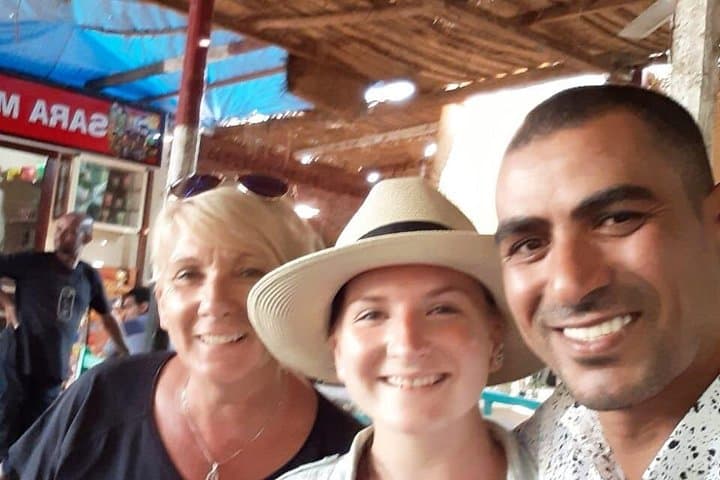

You step off the early morning shuttle and into the glare of a short domestic flight; by midmorning Cairo unfolds — dust-scented air, traffic thrum, and the slow, monumental presence of stone. Your Egyptologist meets you at the airport and the city’s layers begin to peel back: gilded funerary masks in a climate-controlled hall, then the dry wind and open sky at Giza where the pyramids grow larger as you approach.
You step off the early morning shuttle and into the glare of a short domestic flight; by midmorning Cairo unfolds — dust-scented air, traffic thrum, and the slow, monumental presence of stone. Your Egyptologist meets you at the airport and the city’s layers begin to peel back: gilded funerary masks in a climate-controlled hall, then the dry wind and open sky at Giza where the pyramids grow larger as you approach.
Cairo is a city of millennia: Pharaonic necropolises rooted on limestone bedrock, medieval streets that grew around Fatimid mosques, and a modern sprawl shaped by the Nile’s floodplain. Geology matters here — the Giza Plateau’s calibrated bedrock and the Nile Valley’s alluvial plain made large-scale construction and agriculture possible for ancient Egypt.
Between museum halls and the valley temple you’ll touch cultural threads — papyrus-making demonstrations, the Sphinx’s weathered face, and a riverside lunch where the Nile imposes its steady pace.
Practical guidance: this is a long, logistically dense day (roughly 14–16 hours including flights and transfers). Dress in breathable layers for museum interiors and hot, dusty outdoor sites; good walking shoes for uneven stone and loose sand; carry photocopies of travel documents and allow buffer time for security lines.
Expect guided context at each stop, modest shopping opportunities at papyrus and perfume studios, and a full return to Sharm El Sheikh late in the day. It’s an efficient way to pair museum scholarship with the elemental scale of the pyramids — intense, educational, and physically straightforward if you plan for a very long day.