THE ADVENTURE COLLECTIVE® · Independent discovery and booking for outdoor travel

Fly from Sharm El Sheikh to Cairo for a full-day, all-inclusive tour of the Egyptian Museum, Giza Pyramids, the Sphinx, the Citadel and Khan el-Khalili. This tightly timed itinerary packs key antiquities into an efficient day with transfers, meals and a guide included.
Fly from Sharm El Sheikh to Cairo for a full-day, all-inclusive tour of the Egyptian Museum, Giza Pyramids, the Sphinx, the Citadel and Khan el-Khalili. This tightly timed itinerary packs key antiquities into an efficient day with transfers, meals and a guide included.
You leave Sharm El Sheikh before dawn, the airport lights shrinking as the plane lifts toward the Nile valley. By mid-morning the air in Cairo tastes different—dust and spice, the city’s motion humming beneath the skyline—then the Giza Plateau rises into view: angular limestone pyramids cut against the blue.
Verified experiences and guided adventures in the surrounding area.
Operated by Egypt Tours Online · Cairo, Cairo Governorate
You leave Sharm El Sheikh before dawn, the airport lights shrinking as the plane lifts toward the Nile valley. By mid-morning the air in Cairo tastes different—dust and spice, the city’s motion humming beneath the skyline—then the Giza Plateau rises into view: angular limestone pyramids cut against the blue.
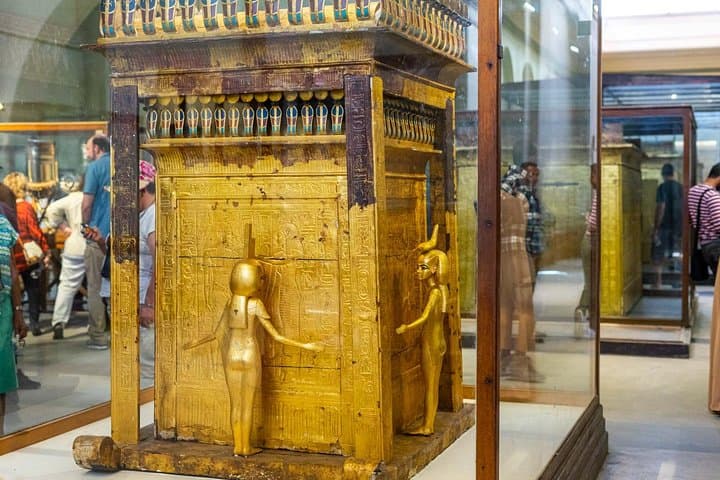
The day visits the Egyptian Museum, the Great Pyramids (Khufu, Khafre, Menkaure), the Sphinx, the Ottoman-era Citadel and Khan el-Khalili bazaar. These sites span millennia: the Fourth Dynasty’s monumental stonework on a former shoreline of the ancient Nile, the 19th-century Citadel that reshaped Cairo’s skyline, and bazaars that trace trade routes across the Mediterranean and Red Sea.
Geology is plain here—limestone beds hewn into tombs, wind-swept desert that still rearranges the sand around the monuments. Culturally, expect layered textures: modern Cairo traffic, mosque calls, and market vendors alongside centuries-old funerary architecture.
Practical guidance: the itinerary is tightly timed—arrivals, guided walks and a late flight home—so keep passport and visa accessible; tour operators request passport photos at booking. Wear sturdy closed shoes for uneven stones and abrasive sand. Carry sunscreen, a hat and at least 1 liter of water; the sun dares you to underestimate it. Photography is allowed in most outdoor areas, but interior access (like entering the Great Pyramid) may require additional tickets and can be restricted.
Plan for an active, long day: efficient transfers and a local guide maximize time, but be prepared for crowds, short walking windows and the sensory rush of one of the world’s oldest cities.
easy.
10–12 hours.
Suitable for most fitness levels; expect multiple short walks and periods of standing.
Many nationalities require a visa for Egypt; confirm your eligibility before travel and carry any required documents—your tour operator will also request a passport photo at booking.
Interior access to the Great Pyramid often requires a separate ticket, may be limited by daily quotas and isn't always included—ask the operator in advance.
The itinerary is long but physically undemanding; however, it involves long transfers, stairs and uneven surfaces, so assess individual mobility and stamina before booking.
This all-inclusive tour lists lunch, private A/C transfers, hotel/port pickup and drop-off, and bottled water as included in the price.
The Giza pyramids date to Egypt’s Fourth Dynasty (c. 2600–2500 BCE); the Citadel and Mohamed Ali Mosque reshaped Cairo in the 19th century under Ottoman influence.
High visitor numbers strain fragile stone and archaeological contexts; follow paths, don’t climb monuments and support licensed guides and local conservation fees.
Egypt Tours Online operates guided outdoor trips and adventures with an emphasis on safety, stewardship, and memorable experiences.
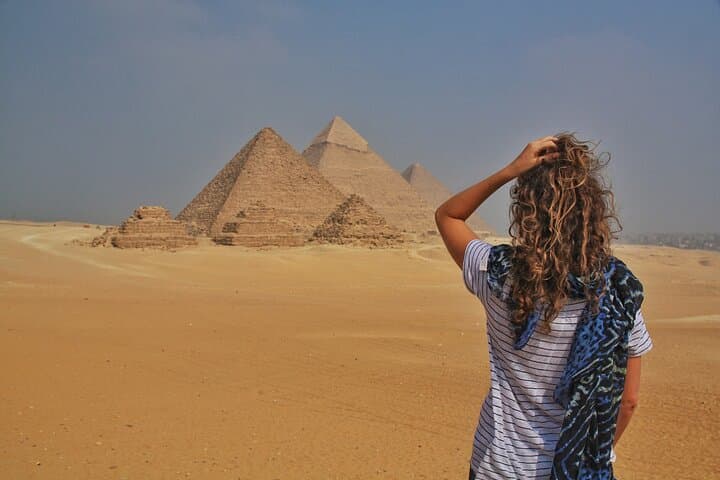

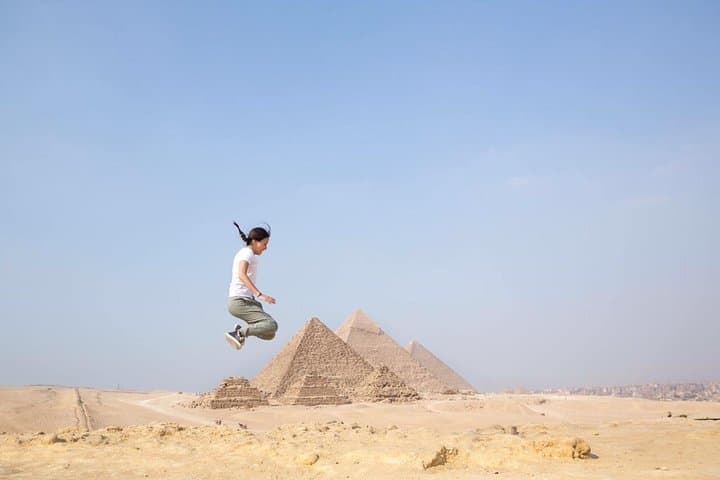
You leave Sharm El Sheikh before dawn, the airport lights shrinking as the plane lifts toward the Nile valley. By mid-morning the air in Cairo tastes different—dust and spice, the city’s motion humming beneath the skyline—then the Giza Plateau rises into view: angular limestone pyramids cut against the blue.
You leave Sharm El Sheikh before dawn, the airport lights shrinking as the plane lifts toward the Nile valley. By mid-morning the air in Cairo tastes different—dust and spice, the city’s motion humming beneath the skyline—then the Giza Plateau rises into view: angular limestone pyramids cut against the blue.
The day visits the Egyptian Museum, the Great Pyramids (Khufu, Khafre, Menkaure), the Sphinx, the Ottoman-era Citadel and Khan el-Khalili bazaar. These sites span millennia: the Fourth Dynasty’s monumental stonework on a former shoreline of the ancient Nile, the 19th-century Citadel that reshaped Cairo’s skyline, and bazaars that trace trade routes across the Mediterranean and Red Sea.
Geology is plain here—limestone beds hewn into tombs, wind-swept desert that still rearranges the sand around the monuments. Culturally, expect layered textures: modern Cairo traffic, mosque calls, and market vendors alongside centuries-old funerary architecture.
Practical guidance: the itinerary is tightly timed—arrivals, guided walks and a late flight home—so keep passport and visa accessible; tour operators request passport photos at booking. Wear sturdy closed shoes for uneven stones and abrasive sand. Carry sunscreen, a hat and at least 1 liter of water; the sun dares you to underestimate it. Photography is allowed in most outdoor areas, but interior access (like entering the Great Pyramid) may require additional tickets and can be restricted.
Plan for an active, long day: efficient transfers and a local guide maximize time, but be prepared for crowds, short walking windows and the sensory rush of one of the world’s oldest cities.