THE ADVENTURE COLLECTIVE® · Independent discovery and booking for outdoor travel

A long, early-morning transfer from Hurghada delivers you to Cairo’s defining sites: the Egyptian Museum, the Pyramids of Giza and the Sphinx. This day trip packs archaeology, geology and urban culture into a single, intense travel day.
A long, early-morning transfer from Hurghada delivers you to Cairo’s defining sites: the Egyptian Museum, the Pyramids of Giza and the Sphinx. This day trip packs archaeology, geology and urban culture into a single, intense travel day.
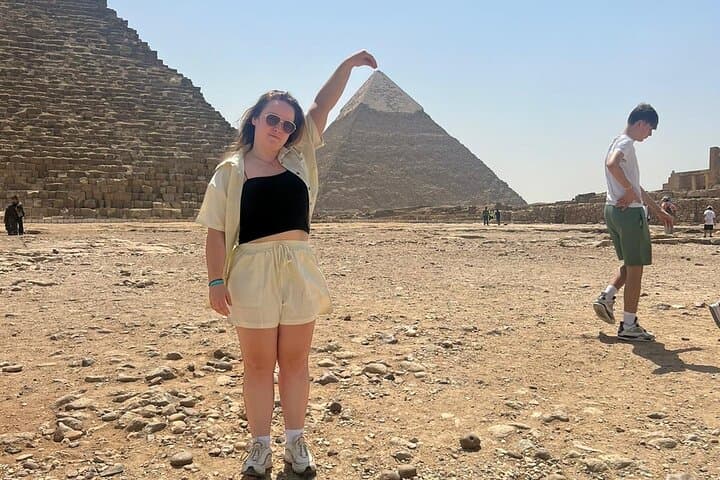
The bus pulls away from Hurghada before dawn, headlights cutting a line across the desert as the air cools and the Red Sea recedes into memory. By midday the skyline of Cairo rises: a sprawl of stone and concrete framed by the pale band of the Nile. At Giza the pyramids loom—geometric, ancient—and the Sphinx watches tourists like a guardian that has learned patience.
Verified experiences and guided adventures in the surrounding area.
Operated by Hurghada Fun Day Trips · Cairo, Cairo Governorate
The bus pulls away from Hurghada before dawn, headlights cutting a line across the desert as the air cools and the Red Sea recedes into memory. By midday the skyline of Cairo rises: a sprawl of stone and concrete framed by the pale band of the Nile. At Giza the pyramids loom—geometric, ancient—and the Sphinx watches tourists like a guardian that has learned patience.
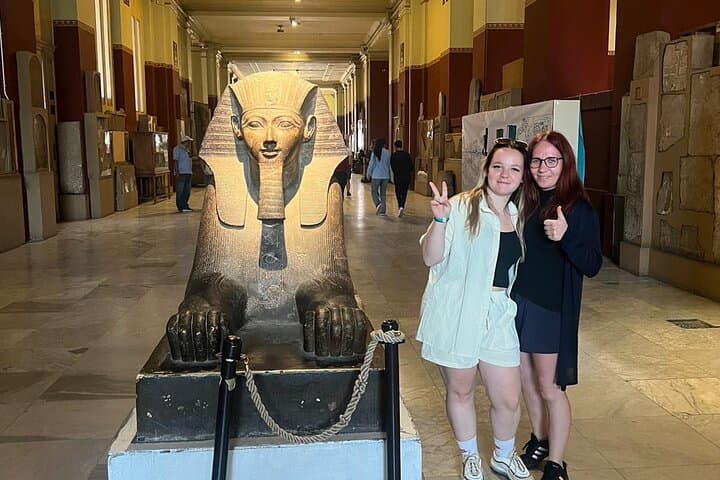
This full-day excursion threads history, geology and urban life into a single long day. The Giza Plateau reveals limestone beds laid down in a shallow Tethys Sea and quarried into monoliths millennia ago; the Egyptian Museum in Tahrir houses funerary art and the glittering trove of Tutankhamun. Along the route, Cairo’s markets and modern boulevards offer a counterpoint of living culture: vendors, café hum, and an economy built around tourism and trade in handcrafts like papyrus.
Practical guidance: expect an 18–21 hour day with long seated transfers (roughly 4–5 hours each way). Wear sturdy walking shoes for uneven stone and sand, sun protection for exposed sites, and carry water—shops exist but queues can slow you down. Photography is allowed in many outdoor areas; verify restrictions inside museum halls. Bring passport photocopies for ticketing and an appetite for a buffet lunch of local dishes.
Travelers should budget energy for the roundtrip journey and time in Cairo’s heat; the payoff is direct access to some of the world’s oldest monuments and a concentrated lesson in Egypt’s layered past.
moderate.
18–21 hours.
Suitable for travelers in average fitness; able to tolerate long seated transfers and short walks on uneven terrain.
Expect roughly 4–5 hours each way by air-conditioned coach, depending on traffic and stops.
Yes; the tour includes entry to the Egyptian Museum and the Giza Plateau sites listed in the itinerary.
The tour is physically easy but requires walking on uneven ground; it is stroller-accessible for short distances but not recommended for travelers with serious back problems or recent pregnancies.
Photography policies can change; outdoor sites are generally fine, but verify restrictions in specific museum halls—your guide will advise on-site.
Giza’s pyramids date to the Fourth Dynasty (c. 2600–2500 BCE); the Great Pyramid of Khufu is the only surviving structure among the classical Seven Wonders.
The Giza sites face pressure from pollution and urban expansion; visitors help by following marked paths, not climbing monuments, and minimizing plastic waste.
Hurghada Fun Day Trips operates guided outdoor trips and adventures with an emphasis on safety, stewardship, and memorable experiences.


The bus pulls away from Hurghada before dawn, headlights cutting a line across the desert as the air cools and the Red Sea recedes into memory. By midday the skyline of Cairo rises: a sprawl of stone and concrete framed by the pale band of the Nile. At Giza the pyramids loom—geometric, ancient—and the Sphinx watches tourists like a guardian that has learned patience.
The bus pulls away from Hurghada before dawn, headlights cutting a line across the desert as the air cools and the Red Sea recedes into memory. By midday the skyline of Cairo rises: a sprawl of stone and concrete framed by the pale band of the Nile. At Giza the pyramids loom—geometric, ancient—and the Sphinx watches tourists like a guardian that has learned patience.
This full-day excursion threads history, geology and urban life into a single long day. The Giza Plateau reveals limestone beds laid down in a shallow Tethys Sea and quarried into monoliths millennia ago; the Egyptian Museum in Tahrir houses funerary art and the glittering trove of Tutankhamun. Along the route, Cairo’s markets and modern boulevards offer a counterpoint of living culture: vendors, café hum, and an economy built around tourism and trade in handcrafts like papyrus.
Practical guidance: expect an 18–21 hour day with long seated transfers (roughly 4–5 hours each way). Wear sturdy walking shoes for uneven stone and sand, sun protection for exposed sites, and carry water—shops exist but queues can slow you down. Photography is allowed in many outdoor areas; verify restrictions inside museum halls. Bring passport photocopies for ticketing and an appetite for a buffet lunch of local dishes.
Travelers should budget energy for the roundtrip journey and time in Cairo’s heat; the payoff is direct access to some of the world’s oldest monuments and a concentrated lesson in Egypt’s layered past.