THE ADVENTURE COLLECTIVE® · Independent discovery and booking for outdoor travel

Make a long but rewarding day of it: a guided Aswan sightseeing loop from Luxor that links Edfu’s Temple of Horus, Kom Ombo’s double sanctuary and the island serenity of Philae. Expect eight to ten hours of history, short walks and scenic Nile views.
Make a long but rewarding day of it: a guided Aswan sightseeing loop from Luxor that links Edfu’s Temple of Horus, Kom Ombo’s double sanctuary and the island serenity of Philae. Expect eight to ten hours of history, short walks and scenic Nile views.
You begin before dawn on the desert road south from Luxor, the air cool and the Nile’s ribbon of palm-lined fields shrinking then widening as you move toward Aswan. The guide’s voice fills the van with measured history while the landscape slides by: mud-brick villages, low desert ridges, and the long Nile that seems to dare you to keep watching.
Verified experiences and guided adventures in the surrounding area.
Operated by Hurghada Tours Plus · Aswan, Aswan Governorate
You begin before dawn on the desert road south from Luxor, the air cool and the Nile’s ribbon of palm-lined fields shrinking then widening as you move toward Aswan. The guide’s voice fills the van with measured history while the landscape slides by: mud-brick villages, low desert ridges, and the long Nile that seems to dare you to keep watching.
This one-day itinerary threads together Ptolemaic and Pharaonic sites. Edfu’s Temple of Horus stands practically intact, its reliefs and massive pylon reflecting Greco-Roman reverence for older Egyptian cults. Kom Ombo’s mirrored sanctuaries speak to a dual religious logic — crocodile cults for Sobek opposite the medical iconography of Horus — while Philae, rescued stone-by-stone from rising waters during the Aswan High Dam project, offers graceful pylons set on an island where devotees once rowed for sanctuary.
Geology here is arid and ancient: granite quarries around Aswan shaped obelisks and built the Nile’s monumental architecture. The High Dam you’ll visit altered ecology and agriculture downstream, a modern landmark with geopolitical weight.
Practical guidance: the day runs roughly 8–10 hours with hotel pickup in Luxor and returns the same afternoon. Wear sturdy walking shoes for uneven temple stone, sun protection for exposed temple courts, and carry cash for local purchases and optional tip culture. Plan for periods of standing and short walks; most stops have steps and uneven paths. Mobile tickets and bottled water are usually provided, but bring a refillable bottle. Time your trip in the cooler months to avoid Egypt’s peak heat and ask about boat transfers to Philae in advance. With a solid guide, this route gives concentrated access to Nile-era devotion and the modern engineering that reshaped it.
easy.
8–10 hours.
Suitable for most fitness levels; requires standing and short uphill/downhill walks on uneven stone.
The full tour runs about 8–10 hours (480–600 minutes) with pickup in Luxor and return the same afternoon; exact timing depends on traffic and time spent at each stop.
The itinerary notes a lunch stop at a local restaurant; confirm with the operator whether lunch and all site entrance fees are included when booking.
The tour is rated easy but involves temple steps, uneven stone and short walks; travelers with mobility limitations should check ahead for accessibility and request assistance during booking.
Standard policy allows a full refund if you cancel at least 24 hours before departure; cancellations within 24 hours are typically non-refundable.
Philae Temple was relocated in a large UNESCO-led operation during the 1960s to save it from flooding caused by the construction of the Aswan High Dam.
Tourism here supports local economies but also pressures fragile temple sites and island ecosystems; stick to marked paths, avoid touching reliefs and support licensed local guides.
Hurghada Tours Plus operates guided outdoor trips and adventures with an emphasis on safety, stewardship, and memorable experiences.
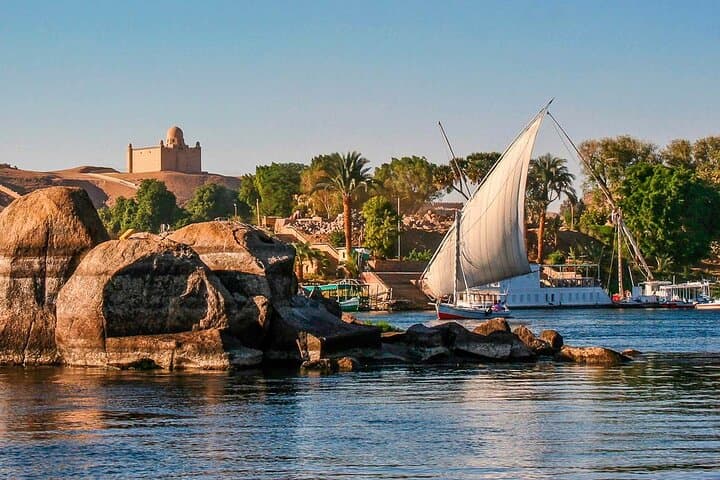


You begin before dawn on the desert road south from Luxor, the air cool and the Nile’s ribbon of palm-lined fields shrinking then widening as you move toward Aswan. The guide’s voice fills the van with measured history while the landscape slides by: mud-brick villages, low desert ridges, and the long Nile that seems to dare you to keep watching.
You begin before dawn on the desert road south from Luxor, the air cool and the Nile’s ribbon of palm-lined fields shrinking then widening as you move toward Aswan. The guide’s voice fills the van with measured history while the landscape slides by: mud-brick villages, low desert ridges, and the long Nile that seems to dare you to keep watching.
This one-day itinerary threads together Ptolemaic and Pharaonic sites. Edfu’s Temple of Horus stands practically intact, its reliefs and massive pylon reflecting Greco-Roman reverence for older Egyptian cults. Kom Ombo’s mirrored sanctuaries speak to a dual religious logic — crocodile cults for Sobek opposite the medical iconography of Horus — while Philae, rescued stone-by-stone from rising waters during the Aswan High Dam project, offers graceful pylons set on an island where devotees once rowed for sanctuary.
Geology here is arid and ancient: granite quarries around Aswan shaped obelisks and built the Nile’s monumental architecture. The High Dam you’ll visit altered ecology and agriculture downstream, a modern landmark with geopolitical weight.
Practical guidance: the day runs roughly 8–10 hours with hotel pickup in Luxor and returns the same afternoon. Wear sturdy walking shoes for uneven temple stone, sun protection for exposed temple courts, and carry cash for local purchases and optional tip culture. Plan for periods of standing and short walks; most stops have steps and uneven paths. Mobile tickets and bottled water are usually provided, but bring a refillable bottle. Time your trip in the cooler months to avoid Egypt’s peak heat and ask about boat transfers to Philae in advance. With a solid guide, this route gives concentrated access to Nile-era devotion and the modern engineering that reshaped it.