THE ADVENTURE COLLECTIVE® · Independent discovery and booking for outdoor travel

See Mount Meru, Momella Lakes and Ngurdoto Crater on a single-day circuit through Arusha National Park. Expect easy game drives, short forest walks and excellent birding with clear views of the mountain.
See Mount Meru, Momella Lakes and Ngurdoto Crater on a single-day circuit through Arusha National Park. Expect easy game drives, short forest walks and excellent birding with clear views of the mountain.
You step from a shaded minivan into an open plain where the air smells of dust and green growth, and Mount Meru towers, its flanks etched with old lava flows. Beyond, a chain of shallow, glassy lakes—the Momella group—reflect low clouds while birds skim the surface and giraffes browse acacia fringes. The park moves around you: crater walls, wetland reed beds and a stretch of montane forest that offers cool shade and quick-moving colobus monkeys.
Verified experiences and guided adventures in the surrounding area.
Operated by Sere adventure Safari · Arusha, Arusha Region
You step from a shaded minivan into an open plain where the air smells of dust and green growth, and Mount Meru towers, its flanks etched with old lava flows. Beyond, a chain of shallow, glassy lakes—the Momella group—reflect low clouds while birds skim the surface and giraffes browse acacia fringes. The park moves around you: crater walls, wetland reed beds and a stretch of montane forest that offers cool shade and quick-moving colobus monkeys.
Arusha National Park sits on volcanic ground: Ngurdoto Crater’s bowl and Momella’s alkaline lakes are the visible result of eruptions and uplift. Created to protect this mix of montane forest, savanna and wetlands, the park sits east of Arusha town and has long been part of local Maasai and Meru landscapes—places used for grazing and seasonal movement before formal protection.
On a day trip you’ll combine short game drives with walkable sections through forest and along lake edges, with reliable birding and sightings of giraffe, buffalo, warthog and primates. Guides explain geology at crater rims and point out plants used by local communities.
Practical side: expect a full-day outing—roughly 8–10 hours door-to-door from Arusha—with uneven tracks, dust and intermittent walking. Bring binoculars, layered clothing for warm days and cool forest shade, sun protection, insect repellent and a refillable water bottle. Start early for the best light and wildlife activity, and remember park rules: stay with your guide, keep distance from animals, and pack out litter. The trip is accessible for most fitness levels but includes some short walks over rocky or muddy ground.
easy.
8–10 hours.
Suitable for most people in reasonable health; able to handle 1–3 hours of walking on uneven ground.
Most day trips run about 8–10 hours including pickup from Arusha, transport, park time and return to town.
Common sightings include giraffe, Cape buffalo, common waterbuck, warthog and black-and-white colobus monkeys; many waterbirds frequent the Momella lakes.
Yes—it's family friendly with mostly vehicle-based viewing and short walks; notify the operator about mobility needs so guides can adapt the itinerary.
Check current international travel and health guidance; malaria prophylaxis is commonly recommended in the region and routine vaccinations should be current.
Arusha National Park protects a compact mix of montane forest, crater and lake habitats on volcanic ground near Arusha town; the area has long been part of Maasai and Meru land-use before park designation.
Respect park rules: stay with your guide, avoid disturbing wildlife, and reduce plastic use—tourism revenue supports management and local community programs.
Sere adventure Safari operates guided outdoor trips and adventures with an emphasis on safety, stewardship, and memorable experiences.
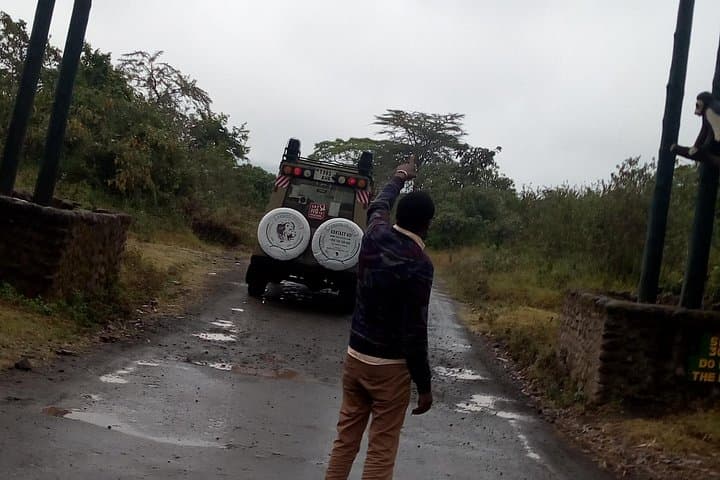
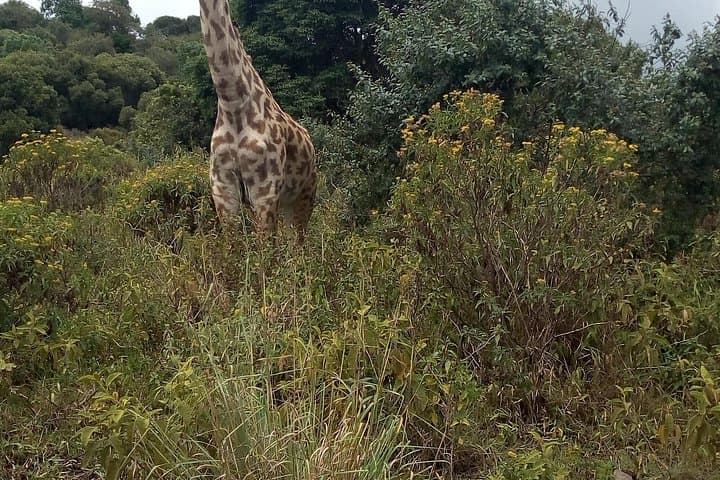
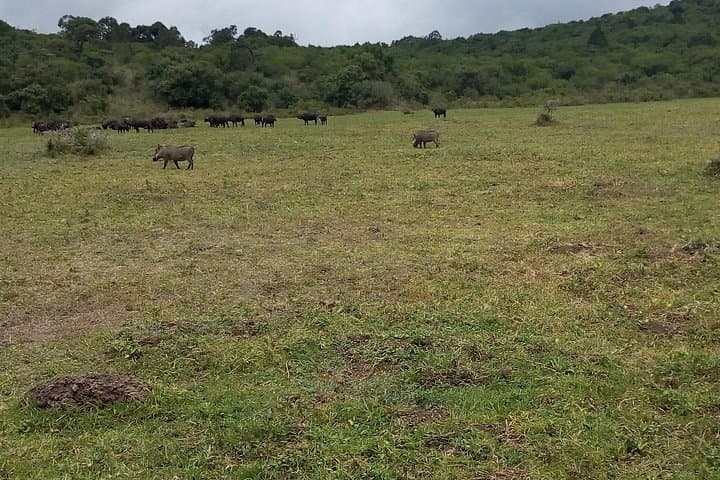
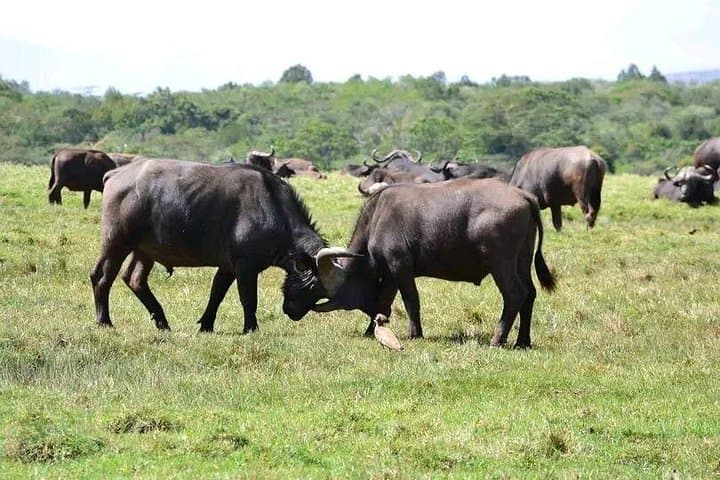
You step from a shaded minivan into an open plain where the air smells of dust and green growth, and Mount Meru towers, its flanks etched with old lava flows. Beyond, a chain of shallow, glassy lakes—the Momella group—reflect low clouds while birds skim the surface and giraffes browse acacia fringes. The park moves around you: crater walls, wetland reed beds and a stretch of montane forest that offers cool shade and quick-moving colobus monkeys.
You step from a shaded minivan into an open plain where the air smells of dust and green growth, and Mount Meru towers, its flanks etched with old lava flows. Beyond, a chain of shallow, glassy lakes—the Momella group—reflect low clouds while birds skim the surface and giraffes browse acacia fringes. The park moves around you: crater walls, wetland reed beds and a stretch of montane forest that offers cool shade and quick-moving colobus monkeys.
Arusha National Park sits on volcanic ground: Ngurdoto Crater’s bowl and Momella’s alkaline lakes are the visible result of eruptions and uplift. Created to protect this mix of montane forest, savanna and wetlands, the park sits east of Arusha town and has long been part of local Maasai and Meru landscapes—places used for grazing and seasonal movement before formal protection.
On a day trip you’ll combine short game drives with walkable sections through forest and along lake edges, with reliable birding and sightings of giraffe, buffalo, warthog and primates. Guides explain geology at crater rims and point out plants used by local communities.
Practical side: expect a full-day outing—roughly 8–10 hours door-to-door from Arusha—with uneven tracks, dust and intermittent walking. Bring binoculars, layered clothing for warm days and cool forest shade, sun protection, insect repellent and a refillable water bottle. Start early for the best light and wildlife activity, and remember park rules: stay with your guide, keep distance from animals, and pack out litter. The trip is accessible for most fitness levels but includes some short walks over rocky or muddy ground.