THE ADVENTURE COLLECTIVE® · Independent discovery and booking for outdoor travel

A private full-day drive from Zurich that stitches together Säntis’s panoramas, Appenzell’s painted wooden houses, the Maestrani chocolate experience and a stroll through Vaduz. Expect mountain views, village walking, and easy access to alpine stations.
A private full-day drive from Zurich that stitches together Säntis’s panoramas, Appenzell’s painted wooden houses, the Maestrani chocolate experience and a stroll through Vaduz. Expect mountain views, village walking, and easy access to alpine stations.
You step out of the minivan as alpine wind rolls down the slope and Säntis glares above at 2,502 m — a blunt, glaciated crown that seems to dare you to look beyond the cantons. The road unspools past Lake Zürich and Rapperswil’s castle, crosses the Rhine and threads green hills where painted wooden houses mark Appenzell’s pedestrian lanes. In Hoher Kasten the cable car lifts you to 1,794 m; the mountain turns as you watch, and the revolving restaurant makes the panorama a slow-motion reveal.
Verified experiences and guided adventures in the surrounding area.
Operated by Typically Swiss Tours · Appenzell, Appenzell Innerrhoden
You step out of the minivan as alpine wind rolls down the slope and Säntis glares above at 2,502 m — a blunt, glaciated crown that seems to dare you to look beyond the cantons. The road unspools past Lake Zürich and Rapperswil’s castle, crosses the Rhine and threads green hills where painted wooden houses mark Appenzell’s pedestrian lanes. In Hoher Kasten the cable car lifts you to 1,794 m; the mountain turns as you watch, and the revolving restaurant makes the panorama a slow-motion reveal.
This corridor between northeastern Switzerland and tiny Liechtenstein is shaped by molasse and limestone folded in the Alpine foreland; centuries of pastoral farming produced Appenzell’s distinctive open-sided barns and the regional cheese tradition. Vaduz, Liechtenstein’s capital, is a modern small-state counterpoint — a compact main street with the princely castle above and a postal spot where visitors often collect passport stamps.
Expect a sensory mix: the scent of wood smoke in Appenzell, chocolate steam at the Maestrani factory, broad iron-grey views from Säntis, and river-slow sections of the Rhine bridged by timber and stone.
Practical side: the full-day private tour runs about 8–9 hours with moderate walking on uneven cobbles and mountain station platforms. Bring layered clothing (alpine summits can be 10–15°C cooler), sturdy shoes for village streets, and a refillable bottle; altitude is modest but sun and wind intensify exposure. If you want passport stamps in Vaduz, keep your travel documents handy. The route is best in clear weather for long-distance views; fog reduces visibility on Säntis and Hoher Kasten.
moderate.
8–9 hours.
Suitable for travelers with moderate fitness who can handle short uphill walks and standing at viewpoints
The tour lasts about 8–9 hours (approx. 510 minutes); typical return to Zurich is late afternoon depending on pick-up and traffic.
Admissions like cable cars or factory entries are typically not included unless specified; confirm with the operator before booking.
Yes — many visitors stop at the Vaduz post office to request a souvenir passport stamp; bring your passport and allow a short stop.
It involves walking on uneven surfaces and mountain station platforms; it’s not recommended for those with significant mobility limits or serious back/heart conditions.
Appenzell developed strong communal traditions and folk costumes tied to alpine pastoralism; Liechtenstein’s modern identity grew in the 19th–20th centuries as a small but sovereign principality.
The alpine pastures are managed through traditional grazing—stay on trails, pack out waste and respect farm fences to protect fragile highland ecosystems.
Typically Swiss Tours operates guided outdoor trips and adventures with an emphasis on safety, stewardship, and memorable experiences.
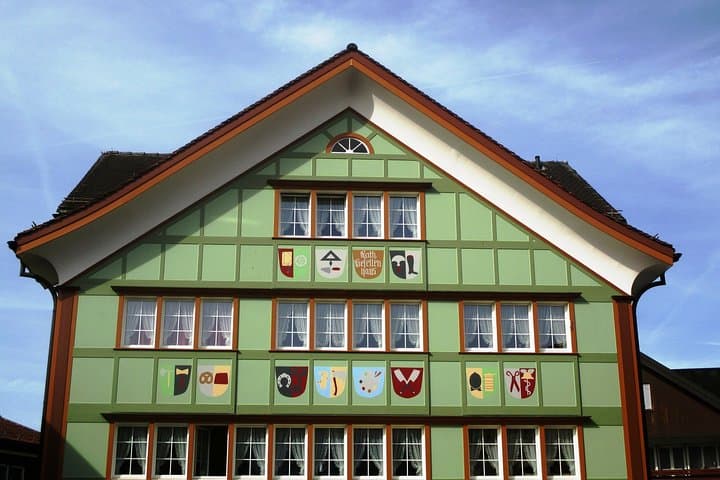
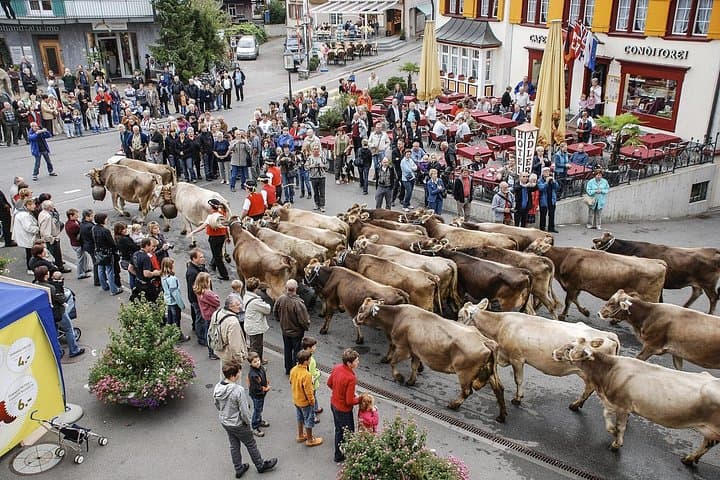
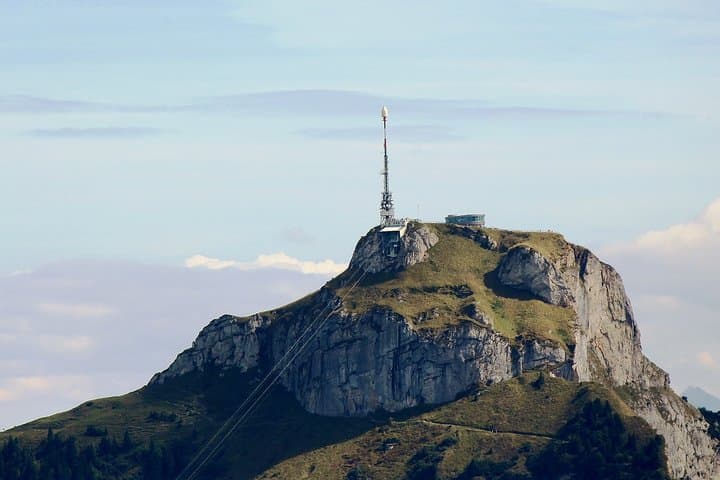
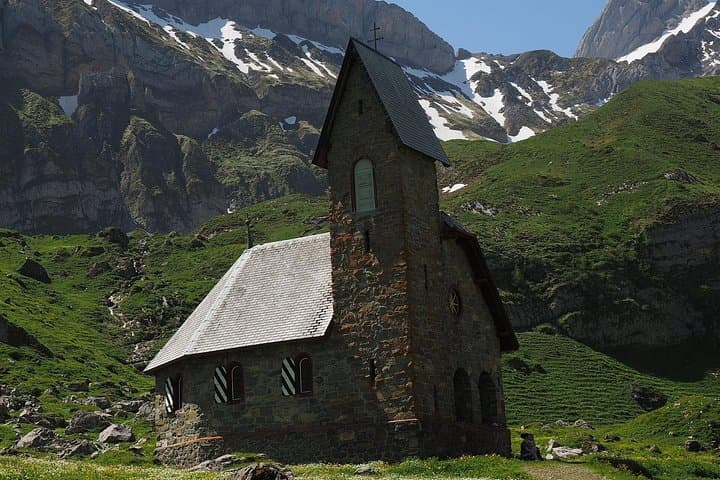
You step out of the minivan as alpine wind rolls down the slope and Säntis glares above at 2,502 m — a blunt, glaciated crown that seems to dare you to look beyond the cantons. The road unspools past Lake Zürich and Rapperswil’s castle, crosses the Rhine and threads green hills where painted wooden houses mark Appenzell’s pedestrian lanes. In Hoher Kasten the cable car lifts you to 1,794 m; the mountain turns as you watch, and the revolving restaurant makes the panorama a slow-motion reveal.
You step out of the minivan as alpine wind rolls down the slope and Säntis glares above at 2,502 m — a blunt, glaciated crown that seems to dare you to look beyond the cantons. The road unspools past Lake Zürich and Rapperswil’s castle, crosses the Rhine and threads green hills where painted wooden houses mark Appenzell’s pedestrian lanes. In Hoher Kasten the cable car lifts you to 1,794 m; the mountain turns as you watch, and the revolving restaurant makes the panorama a slow-motion reveal.
This corridor between northeastern Switzerland and tiny Liechtenstein is shaped by molasse and limestone folded in the Alpine foreland; centuries of pastoral farming produced Appenzell’s distinctive open-sided barns and the regional cheese tradition. Vaduz, Liechtenstein’s capital, is a modern small-state counterpoint — a compact main street with the princely castle above and a postal spot where visitors often collect passport stamps.
Expect a sensory mix: the scent of wood smoke in Appenzell, chocolate steam at the Maestrani factory, broad iron-grey views from Säntis, and river-slow sections of the Rhine bridged by timber and stone.
Practical side: the full-day private tour runs about 8–9 hours with moderate walking on uneven cobbles and mountain station platforms. Bring layered clothing (alpine summits can be 10–15°C cooler), sturdy shoes for village streets, and a refillable bottle; altitude is modest but sun and wind intensify exposure. If you want passport stamps in Vaduz, keep your travel documents handy. The route is best in clear weather for long-distance views; fog reduces visibility on Säntis and Hoher Kasten.