THE ADVENTURE COLLECTIVE® · Independent discovery and booking for outdoor travel

Explore Anuradhapura on a private day trip from Sigiriya to see the Jaya Sri Maha Bodhi, towering stupas, and monastic ruins. This full‑day cultural tour pairs guided history with practical tips for navigating hot, uneven terrain.
Explore Anuradhapura on a private day trip from Sigiriya to see the Jaya Sri Maha Bodhi, towering stupas, and monastic ruins. This full‑day cultural tour pairs guided history with practical tips for navigating hot, uneven terrain.
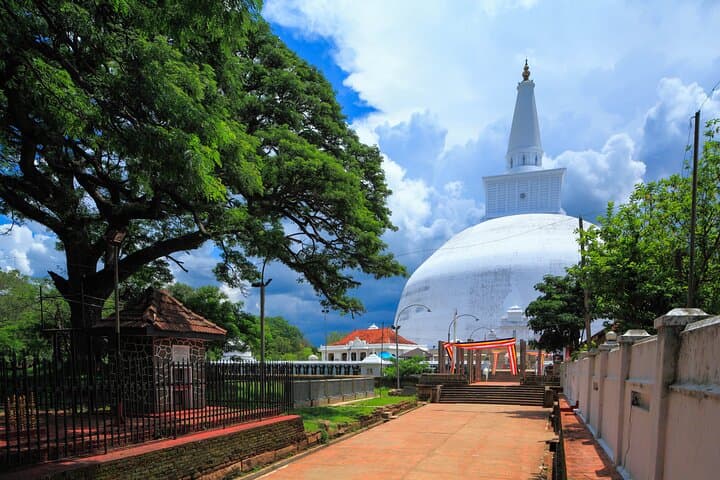
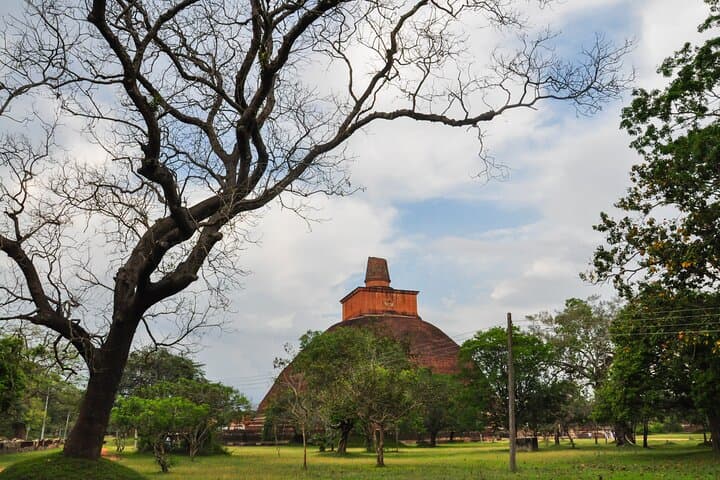
You step out of the air‑conditioned vehicle into a wide, sun-washed plain where stone domes and brick ruins rise like the outline of a lost city. The hum of cicadas and the distant call of kites fill the air; the Jaya Sri Maha Bodhi’s leaves stir as if acknowledging centuries of visitors. This is Anuradhapura — a living archaeological park where paths lead through stupas, monastic courtyards, and shaded Bodhi enclosures.
Verified experiences and guided adventures in the surrounding area.
Operated by Lakpura LLC · Anuradhapura, North Central Province
You step out of the air‑conditioned vehicle into a wide, sun-washed plain where stone domes and brick ruins rise like the outline of a lost city. The hum of cicadas and the distant call of kites fill the air; the Jaya Sri Maha Bodhi’s leaves stir as if acknowledging centuries of visitors. This is Anuradhapura — a living archaeological park where paths lead through stupas, monastic courtyards, and shaded Bodhi enclosures.
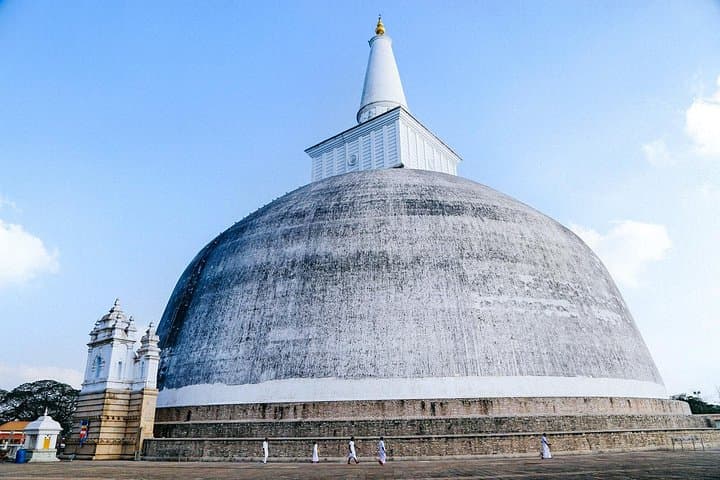
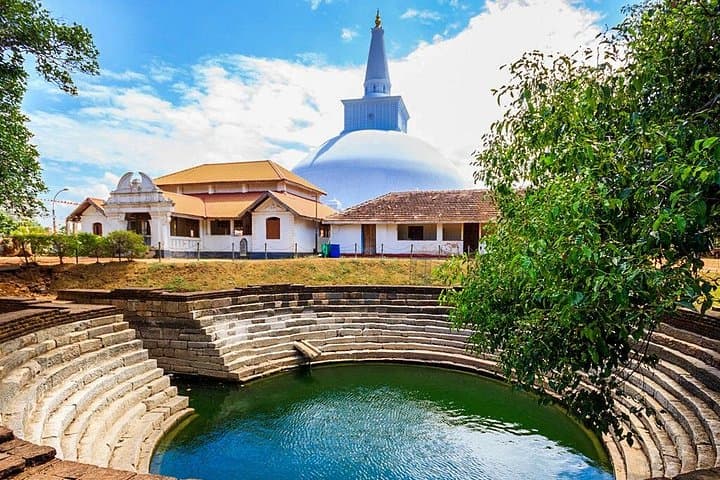
Founded as a capital in the 4th century BCE, Anuradhapura became a center of Theravada Buddhism and hydraulic engineering. The Jetavanarama and Ruwanweliseya stupas are massive brick forms that reveal ancient construction scale; irrigation tanks and stone baths recall advanced water management in the dry zone. Cultural rhythms are still present — monks in saffron, ritual offerings, and quiet meditation — and local guides tie the ruins to royal patrons like Dutugemunu and the island’s Buddhist heritage.
Practicalities matter here: wear comfortable walking shoes and a hat, expect dusty, uneven ground and sun exposure. Visits include short walks between clustered monuments; allow 4–6 hours for a focused exploration or a full day for a slower pace with a guide. Hydrate frequently — bottled water is typically provided on private tours — and carry modest clothing for temple entrances where shoulders and knees should be covered.
Timing mid‑morning or late afternoon avoids the fiercest heat and gives better light on the stupas. Bring a camera, but pause for quiet moments beneath the Bodhi tree: the site rewards both curiosity and stillness.
moderate.
9–10 hours.
Light to moderate fitness required — you’ll walk on uneven ground and stand during temple tours; some heat tolerance needed.
Drive time is about 1.5–2 hours each way depending on traffic; the full tour typically runs 9–10 hours including stops.
This tour description does not specify admission; expect to pay site entrance fees separately unless the operator confirms inclusion.
Yes if they can manage moderate walking and heat; the tour notes infant seats are available and the pace is adaptable for most fitness levels.
Photography is allowed at most monuments, but be respectful around worshippers and monks—ask before taking close portraits.
Anuradhapura was Sri Lanka’s first major capital and a center of Buddhist scholarship and hydraulic engineering from about the 4th century BCE into the medieval period.
The archaeological park balances tourism with preservation; visitors should stick to marked paths and avoid touching ancient brickwork to minimize erosion and wear.
Lakpura LLC operates guided outdoor trips and adventures with an emphasis on safety, stewardship, and memorable experiences.
You step out of the air‑conditioned vehicle into a wide, sun-washed plain where stone domes and brick ruins rise like the outline of a lost city. The hum of cicadas and the distant call of kites fill the air; the Jaya Sri Maha Bodhi’s leaves stir as if acknowledging centuries of visitors. This is Anuradhapura — a living archaeological park where paths lead through stupas, monastic courtyards, and shaded Bodhi enclosures.
You step out of the air‑conditioned vehicle into a wide, sun-washed plain where stone domes and brick ruins rise like the outline of a lost city. The hum of cicadas and the distant call of kites fill the air; the Jaya Sri Maha Bodhi’s leaves stir as if acknowledging centuries of visitors. This is Anuradhapura — a living archaeological park where paths lead through stupas, monastic courtyards, and shaded Bodhi enclosures.
Founded as a capital in the 4th century BCE, Anuradhapura became a center of Theravada Buddhism and hydraulic engineering. The Jetavanarama and Ruwanweliseya stupas are massive brick forms that reveal ancient construction scale; irrigation tanks and stone baths recall advanced water management in the dry zone. Cultural rhythms are still present — monks in saffron, ritual offerings, and quiet meditation — and local guides tie the ruins to royal patrons like Dutugemunu and the island’s Buddhist heritage.
Practicalities matter here: wear comfortable walking shoes and a hat, expect dusty, uneven ground and sun exposure. Visits include short walks between clustered monuments; allow 4–6 hours for a focused exploration or a full day for a slower pace with a guide. Hydrate frequently — bottled water is typically provided on private tours — and carry modest clothing for temple entrances where shoulders and knees should be covered.
Timing mid‑morning or late afternoon avoids the fiercest heat and gives better light on the stupas. Bring a camera, but pause for quiet moments beneath the Bodhi tree: the site rewards both curiosity and stillness.