THE ADVENTURE COLLECTIVE® · Independent discovery and booking for outdoor travel

A private, five-hour excursion from Cairo that stitches together Alexandria’s top ancient and modern sites — the Bibliotheca Alexandrina, Qaitbay Citadel, Pompey’s Pillar and the Royal Jewelry Museum. Expect coastal breeze, compact walks and expert commentary focused on the city’s layered past.
A private, five-hour excursion from Cairo that stitches together Alexandria’s top ancient and modern sites — the Bibliotheca Alexandrina, Qaitbay Citadel, Pompey’s Pillar and the Royal Jewelry Museum. Expect coastal breeze, compact walks and expert commentary focused on the city’s layered past.
You step off the private vehicle onto a flat sweep of Mediterranean wind; the sea pushes a cool, salt-scented breath through the streets as the Bibliotheca Alexandrina tilts its disc toward the water like a concrete sunshade. Crowds thin into the echoing main reading room where light pools across marble and modern stacks that recall a far older center of learning.
Verified experiences and guided adventures in the surrounding area.
Operated by Best Of Egypt Tours · Alexandria, Alexandria Governorate
You step off the private vehicle onto a flat sweep of Mediterranean wind; the sea pushes a cool, salt-scented breath through the streets as the Bibliotheca Alexandrina tilts its disc toward the water like a concrete sunshade. Crowds thin into the echoing main reading room where light pools across marble and modern stacks that recall a far older center of learning.
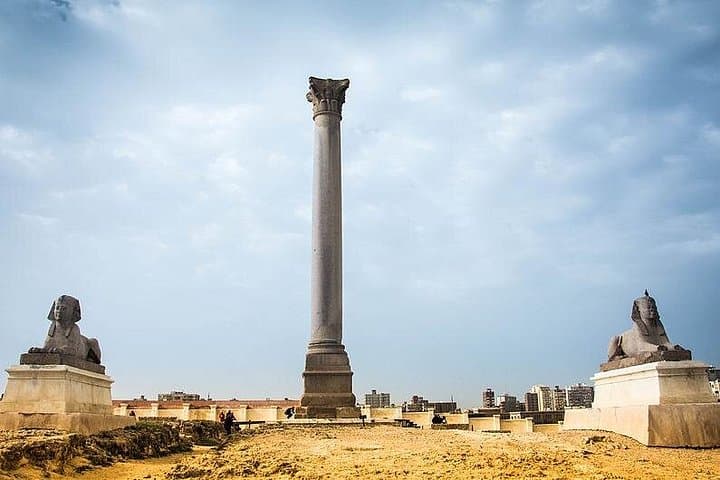
Alexandria wears its history plainly: from Pompey’s Pillar — the lone ancient column that survived storms and empires — to the 15th-century Citadel of Qaitbay, rebuilt where the Pharos once rose. The Royal Jewelry Museum occupies a 19th-century palace, its rooms threaded with Muhammad Ali dynasty artifacts that frame Egypt’s modernizing century. Geology here is coastal limestone and reclaimed harbor, where human engineering has reshaped shorelines for millennia.
Culturally the city is a layered conversation between Hellenistic, Roman, Coptic and Ottoman influences; street cafes spill local tea and grilled fish while guides point out Christian and Islamic landmarks living side by side.
Practical edge: this is a five-hour private tour that moves by vehicle between sites; expect 30–90 minutes of walking at each stop on mostly paved surfaces with some uneven ruins. Wear sturdy walking shoes, sun protection and a light scarf for visiting religious sites. Bring Egyptian pounds for small purchases and allow extra time for traffic between Cairo and Alexandria. Morning departures avoid the hottest light and give clearer views at the Citadel. With a knowledgeable Egyptologist guide and bottled water included, the day balances concentrated history with coastal atmosphere — an efficient, sensory dive into one of the Mediterranean’s oldest urban landscapes.
easy.
5 hours.
Suitable for most travelers who can walk short distances and climb stairs; minimal fitness required.
The drive typically takes 2.5 to 3 hours each way depending on traffic; private pickup times can vary so expect a full-day schedule.
This tour lists admission as not included for some sites — confirm with the operator which museum or citadel tickets you should expect to pay on arrival.
Many public areas and transport options are wheelchair accessible, but some archaeological ruins have uneven surfaces and steps — check specifics with your operator in advance.
Private tours usually allow adjustments; ask to add or extend stops like a local fish market or seaside promenade when booking.
Founded by Alexander the Great in 331 BCE, Alexandria became a Hellenistic capital and later a melting pot of Roman, Coptic and Islamic cultures centered around its legendary library.
Coastal erosion, urban development and tourism pressure threaten archaeological sites; choose tours that follow marked paths and support local conservation initiatives.
Best Of Egypt Tours operates guided outdoor trips and adventures with an emphasis on safety, stewardship, and memorable experiences.
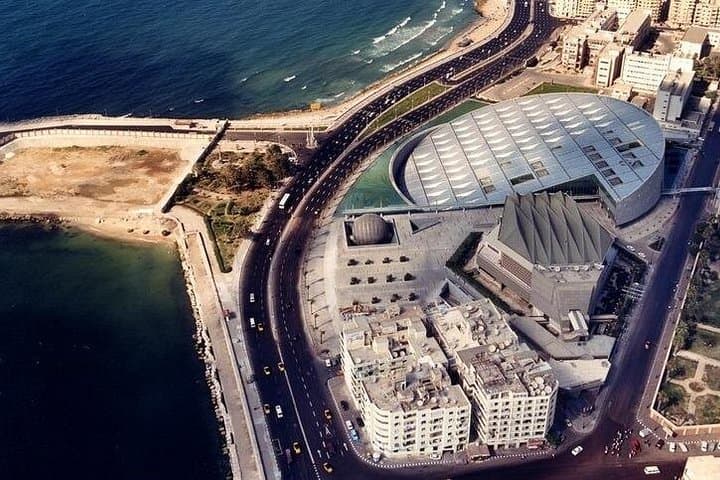
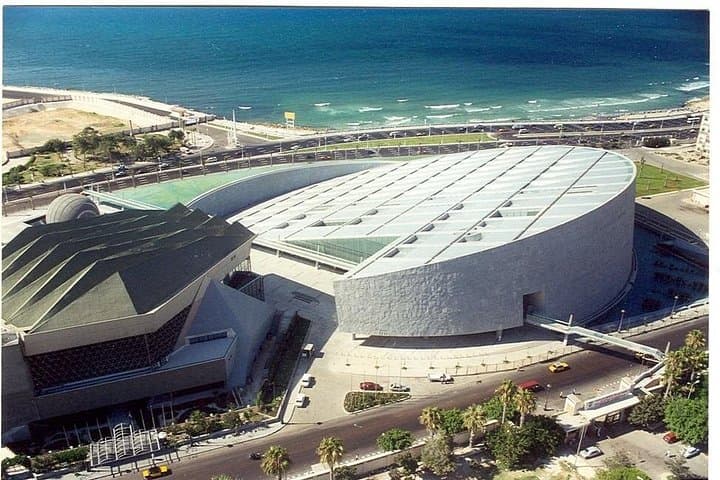
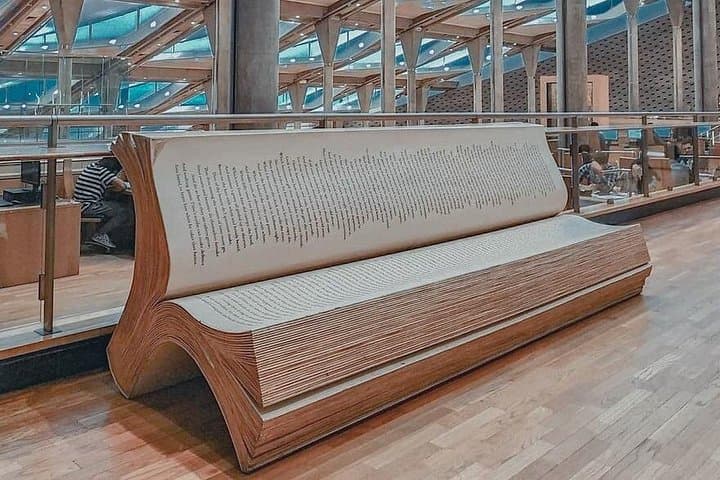
You step off the private vehicle onto a flat sweep of Mediterranean wind; the sea pushes a cool, salt-scented breath through the streets as the Bibliotheca Alexandrina tilts its disc toward the water like a concrete sunshade. Crowds thin into the echoing main reading room where light pools across marble and modern stacks that recall a far older center of learning.
You step off the private vehicle onto a flat sweep of Mediterranean wind; the sea pushes a cool, salt-scented breath through the streets as the Bibliotheca Alexandrina tilts its disc toward the water like a concrete sunshade. Crowds thin into the echoing main reading room where light pools across marble and modern stacks that recall a far older center of learning.
Alexandria wears its history plainly: from Pompey’s Pillar — the lone ancient column that survived storms and empires — to the 15th-century Citadel of Qaitbay, rebuilt where the Pharos once rose. The Royal Jewelry Museum occupies a 19th-century palace, its rooms threaded with Muhammad Ali dynasty artifacts that frame Egypt’s modernizing century. Geology here is coastal limestone and reclaimed harbor, where human engineering has reshaped shorelines for millennia.
Culturally the city is a layered conversation between Hellenistic, Roman, Coptic and Ottoman influences; street cafes spill local tea and grilled fish while guides point out Christian and Islamic landmarks living side by side.
Practical edge: this is a five-hour private tour that moves by vehicle between sites; expect 30–90 minutes of walking at each stop on mostly paved surfaces with some uneven ruins. Wear sturdy walking shoes, sun protection and a light scarf for visiting religious sites. Bring Egyptian pounds for small purchases and allow extra time for traffic between Cairo and Alexandria. Morning departures avoid the hottest light and give clearer views at the Citadel. With a knowledgeable Egyptologist guide and bottled water included, the day balances concentrated history with coastal atmosphere — an efficient, sensory dive into one of the Mediterranean’s oldest urban landscapes.