THE ADVENTURE COLLECTIVE® · Independent discovery and booking for outdoor travel

A private 8–9 hour day trip from Addis Ababa that pairs the 13th-century rock-hewn church of Adadi Mariam with the UNESCO steles of Tiya, Rift Valley viewpoints, and authentic village culture including injera-making and a coffee ceremony.
A private 8–9 hour day trip from Addis Ababa that pairs the 13th-century rock-hewn church of Adadi Mariam with the UNESCO steles of Tiya, Rift Valley viewpoints, and authentic village culture including injera-making and a coffee ceremony.
You roll out of Addis Ababa at first light and the city’s bustle peels away as the road descends toward the East African Rift. Window frames the landscape: folded hills, abrupt escarpments and long, green rifts that seem to dare you to look closer. Your guide pauses at viewpoints; the valley stretches below like a living geomorphic map.
Verified experiences and guided adventures in the surrounding area.
Operated by Merit Ethiopian Experience Tours · Addis Ababa, Oromia
You roll out of Addis Ababa at first light and the city’s bustle peels away as the road descends toward the East African Rift. Window frames the landscape: folded hills, abrupt escarpments and long, green rifts that seem to dare you to look closer. Your guide pauses at viewpoints; the valley stretches below like a living geomorphic map.
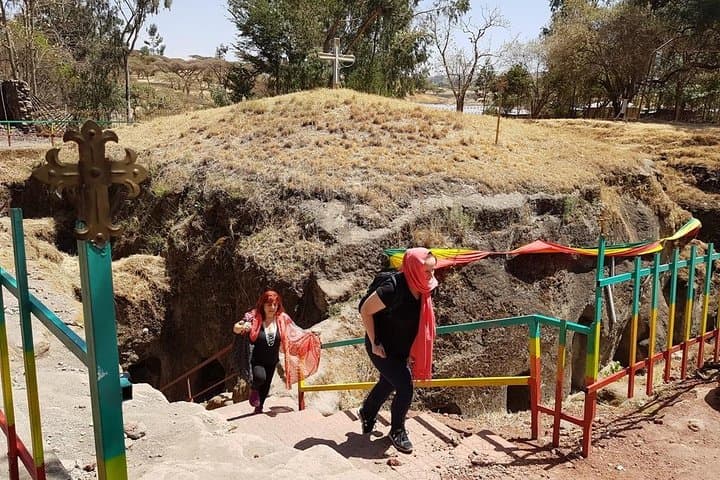
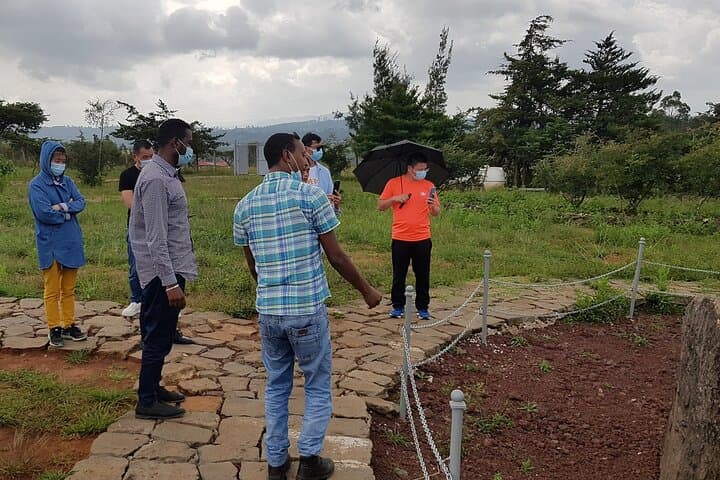
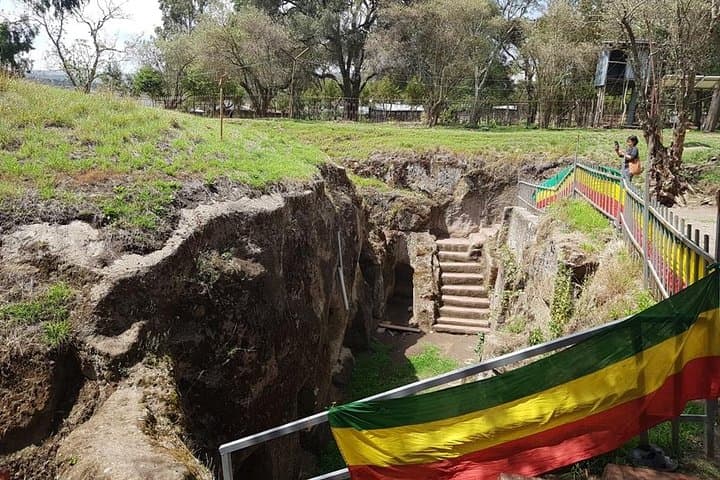
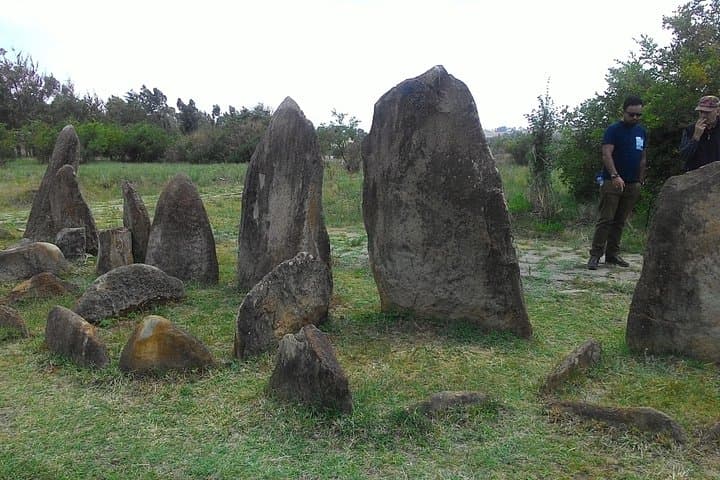
History sits quietly in the rock. Adadi Mariam is a 13th-century church carved from a single piece of volcanic tuff — still active and used for worship — an example of medieval Ethiopian rock-cut architecture associated with King Lalibela’s artisans. Nearby, the Tiya field of carved stelae is a UNESCO World Heritage Site: some 40 engraved stones marking graves from roughly the 12th–14th centuries, their symbols still readable to archaeologists. On route, Melka Kunture’s open-air exhibits present stone tools and fossils that push human presence in the region back by hundreds of thousands of years.
Cultural moments are immediate and tactile: visiting a household to see injera being made, and settling for a traditional coffee ceremony where roasted beans steam and conversation follows the ritual. These stops make the day as much about people as about monuments.
Practical: the tour is a private, air-conditioned 8–9 hour drive (~200 km round-trip) with a maximum of six guests. Expect short, uneven walks around sites; dress conservatively for churches (women should cover hair). Bring sun protection, water, and modest cash for donations or small purchases. If you travel in June–August, pack a rain jacket — the highland rains arrive fast. With a clear plan and basic gear, this day trip is an efficient, immersive introduction to Ethiopia’s deep human history and living traditions.
easy.
8–9 hours.
Suitable for most fitness levels; requires short periods of standing and walking on uneven ground.
Entrance fees are typically paid locally and are not always included; confirm with the operator when booking — the tour price often covers guiding and transport, not site fees.
Yes — Adadi Mariam remains a functioning church; dress respectfully and follow guidance from your guide during services or rites.
The tour departs Addis Ababa, covers about 200 km round-trip, and runs 8–9 hours including stops at viewpoints, Adadi Mariam, Tiya, and local visits.
Yes, children can join but must be accompanied by an adult; note limited seating in the vehicle with a six-person maximum.
The rock-hewn Adadi Mariam dates to the 13th century and reflects the same medieval rock-carving tradition associated with King Lalibela; the Tiya stelae mark a distinctive local funerary culture from the 12th–14th centuries.
These sites are sensitive to erosion and unregulated foot traffic; follow paths, avoid touching carved surfaces, and support local conservation by using licensed guides and small site fees.
Merit Ethiopian Experience Tours operates guided outdoor trips and adventures with an emphasis on safety, stewardship, and memorable experiences.
You roll out of Addis Ababa at first light and the city’s bustle peels away as the road descends toward the East African Rift. Window frames the landscape: folded hills, abrupt escarpments and long, green rifts that seem to dare you to look closer. Your guide pauses at viewpoints; the valley stretches below like a living geomorphic map.
You roll out of Addis Ababa at first light and the city’s bustle peels away as the road descends toward the East African Rift. Window frames the landscape: folded hills, abrupt escarpments and long, green rifts that seem to dare you to look closer. Your guide pauses at viewpoints; the valley stretches below like a living geomorphic map.
History sits quietly in the rock. Adadi Mariam is a 13th-century church carved from a single piece of volcanic tuff — still active and used for worship — an example of medieval Ethiopian rock-cut architecture associated with King Lalibela’s artisans. Nearby, the Tiya field of carved stelae is a UNESCO World Heritage Site: some 40 engraved stones marking graves from roughly the 12th–14th centuries, their symbols still readable to archaeologists. On route, Melka Kunture’s open-air exhibits present stone tools and fossils that push human presence in the region back by hundreds of thousands of years.
Cultural moments are immediate and tactile: visiting a household to see injera being made, and settling for a traditional coffee ceremony where roasted beans steam and conversation follows the ritual. These stops make the day as much about people as about monuments.
Practical: the tour is a private, air-conditioned 8–9 hour drive (~200 km round-trip) with a maximum of six guests. Expect short, uneven walks around sites; dress conservatively for churches (women should cover hair). Bring sun protection, water, and modest cash for donations or small purchases. If you travel in June–August, pack a rain jacket — the highland rains arrive fast. With a clear plan and basic gear, this day trip is an efficient, immersive introduction to Ethiopia’s deep human history and living traditions.