THE ADVENTURE COLLECTIVE® · Independent discovery and booking for outdoor travel

Fly from Cairo to stand before Ramses II’s giants at Abu Simbel in a single day. This private, ticket‑included tour pairs fast travel with deep history and practical tips for visiting one of Egypt’s most dramatic UNESCO sites.
Fly from Cairo to stand before Ramses II’s giants at Abu Simbel in a single day. This private, ticket‑included tour pairs fast travel with deep history and practical tips for visiting one of Egypt’s most dramatic UNESCO sites.
Sunrise thins over the desert and the two colossal faces of Ramses II stare down a widening blue that is Lake Nasser — an abrupt, ancient gate at Egypt’s southern edge. A full‑day flight from Cairo deposits travelers in a wide, sunbaked plain where stone and water contest the skyline and the temples command attention.
Verified experiences and guided adventures in the surrounding area.
Operated by Narmer Tours · Abu Simbel, Aswan Governorate
Sunrise thins over the desert and the two colossal faces of Ramses II stare down a widening blue that is Lake Nasser — an abrupt, ancient gate at Egypt’s southern edge. A full‑day flight from Cairo deposits travelers in a wide, sunbaked plain where stone and water contest the skyline and the temples command attention.
Built by Ramses II more than 3,000 years ago and famously saved from inundation during the 1960s UNESCO relocation project, Abu Simbel’s two rock-cut temples speak to imperial ambition and engineering. The main temple’s seated pharaohs and the smaller temple to Nefertari display high‑relief scenes of battle, ritual and the curious solar alignments that animate the inner sanctuary. Geologically the temples are hewn from Nubian sandstone above the original floodplain; today they sit above Lake Nasser’s broad mirror, which reshaped the region after the Aswan High Dam.
Culturally, the site marks Egypt’s ancient reach toward Nubia; local guides weave stories of the Battle of Kadesh alongside practical notes on the relocation effort that preserved these monuments. Expect hot, reflective light, coarse desert sand underfoot, and a strong sense of scale.
Practical guidance: this is a long, early day—flights take ~1.5 hours each way with 6–8 hours total door‑to‑door. Bring sun protection, layered clothes for cooler mornings and air‑conditioned transfers, and your passport (required for airport procedures). The site is largely accessible but involves steps and short walks; photography is welcome but avoid touching reliefs. Hydrate, move deliberately in the heat, and plan for a calm, interpretive visit rather than a rushed photo stop.
easy.
6–8 hours.
Light fitness needed—able to walk short distances, climb steps, and tolerate heat for a few hours.
Options often include domestic flights and site tickets—confirm your booking details; some packages add tickets only if the ticket option is selected.
Abu Simbel has improved access around the main visitor areas, but some ramps and small steps remain; check with the operator for tailored assistance.
Typical on‑site touring time is 1.5–3 hours depending on interest level and time allotted by the tour operator.
Photography is generally allowed in exterior and many interior areas, but avoid flash where signs ask and never touch carvings.
Abu Simbel was carved under Ramses II around 1250 BCE and moved stone‑by‑stone in the 1960s to escape Lake Nasser after the Aswan High Dam was built.
The UNESCO relocation was a landmark preservation effort; visitors should minimize impact by staying on paths, not touching reliefs, and following guide instructions.
Narmer Tours operates guided outdoor trips and adventures with an emphasis on safety, stewardship, and memorable experiences.
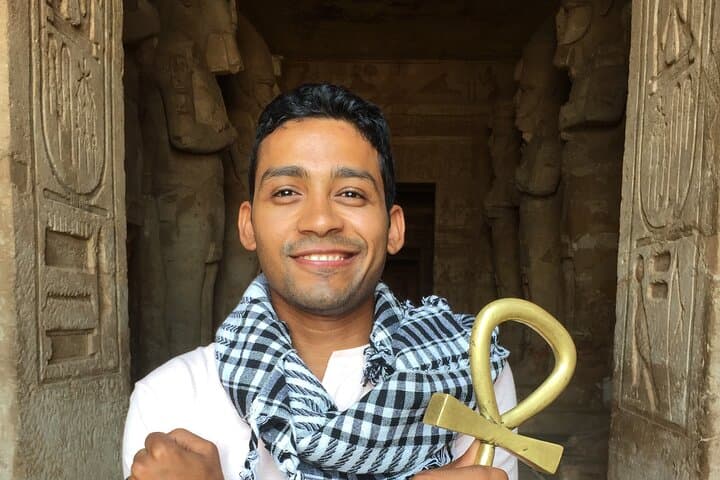
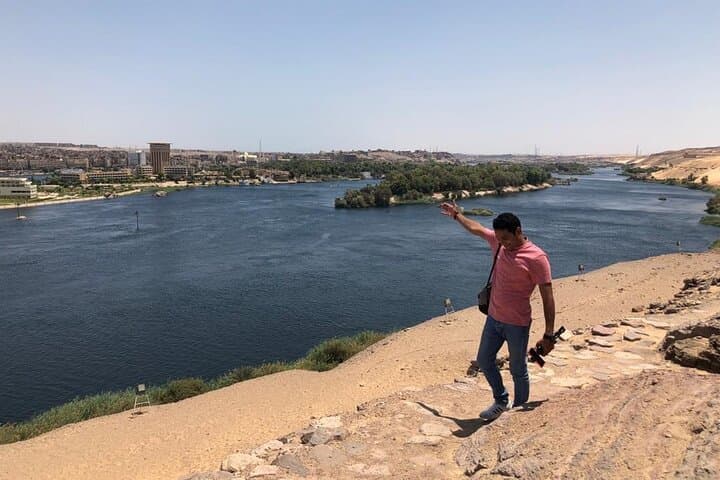
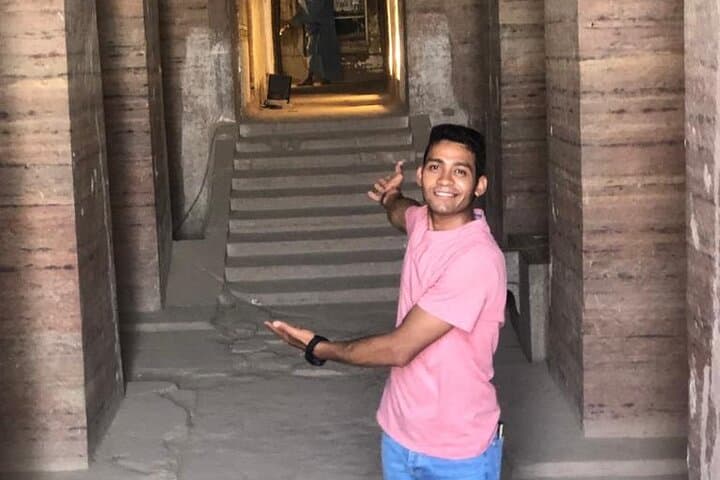
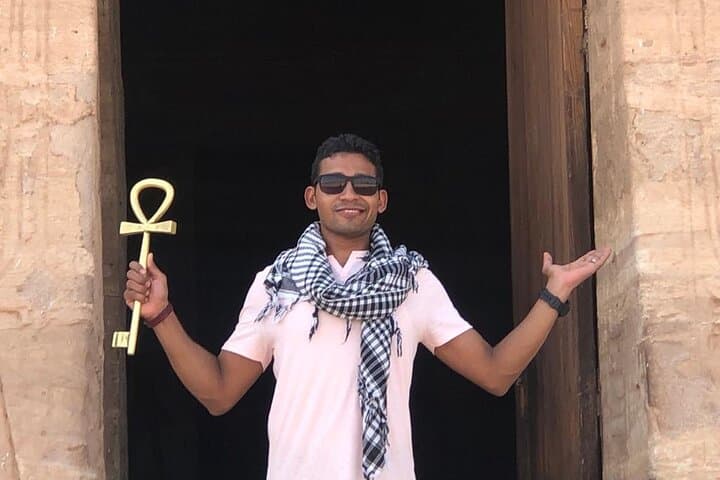
Sunrise thins over the desert and the two colossal faces of Ramses II stare down a widening blue that is Lake Nasser — an abrupt, ancient gate at Egypt’s southern edge. A full‑day flight from Cairo deposits travelers in a wide, sunbaked plain where stone and water contest the skyline and the temples command attention.
Sunrise thins over the desert and the two colossal faces of Ramses II stare down a widening blue that is Lake Nasser — an abrupt, ancient gate at Egypt’s southern edge. A full‑day flight from Cairo deposits travelers in a wide, sunbaked plain where stone and water contest the skyline and the temples command attention.
Built by Ramses II more than 3,000 years ago and famously saved from inundation during the 1960s UNESCO relocation project, Abu Simbel’s two rock-cut temples speak to imperial ambition and engineering. The main temple’s seated pharaohs and the smaller temple to Nefertari display high‑relief scenes of battle, ritual and the curious solar alignments that animate the inner sanctuary. Geologically the temples are hewn from Nubian sandstone above the original floodplain; today they sit above Lake Nasser’s broad mirror, which reshaped the region after the Aswan High Dam.
Culturally, the site marks Egypt’s ancient reach toward Nubia; local guides weave stories of the Battle of Kadesh alongside practical notes on the relocation effort that preserved these monuments. Expect hot, reflective light, coarse desert sand underfoot, and a strong sense of scale.
Practical guidance: this is a long, early day—flights take ~1.5 hours each way with 6–8 hours total door‑to‑door. Bring sun protection, layered clothes for cooler mornings and air‑conditioned transfers, and your passport (required for airport procedures). The site is largely accessible but involves steps and short walks; photography is welcome but avoid touching reliefs. Hydrate, move deliberately in the heat, and plan for a calm, interpretive visit rather than a rushed photo stop.