THE ADVENTURE COLLECTIVE® · Independent discovery and booking for outdoor travel

Catch a sunrise flight from Cairo for a long, immersive day at Abu Simbel and Philae—two rescued monuments on the Nile. This full-day tour pairs monumental rock-cut temples with a short boat ride to Philae, ideal for travelers who want maximum cultural payoff in a single day.
Catch a sunrise flight from Cairo for a long, immersive day at Abu Simbel and Philae—two rescued monuments on the Nile. This full-day tour pairs monumental rock-cut temples with a short boat ride to Philae, ideal for travelers who want maximum cultural payoff in a single day.
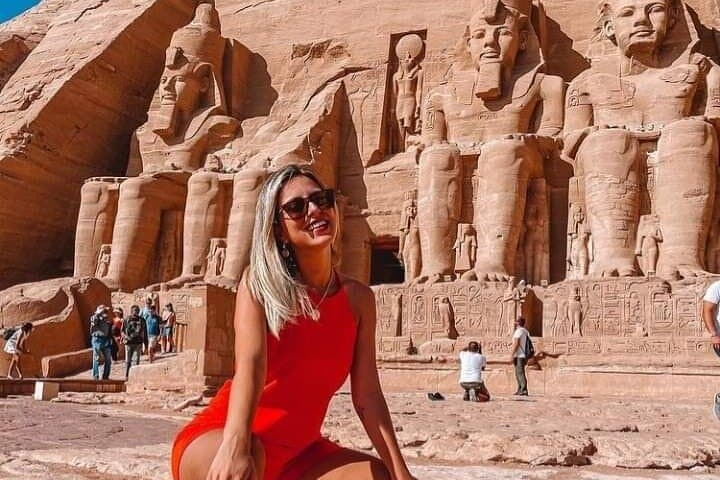
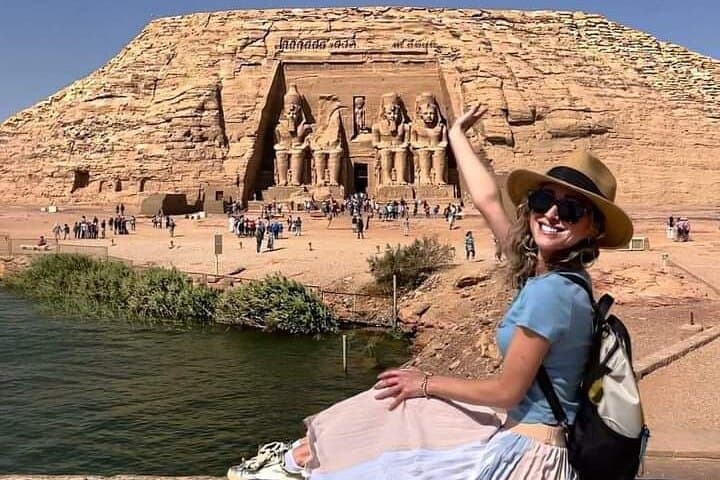
At 3:00 am your Cairo hotel dissolves into the headlights of a transfer van, the city’s hum replaced by the wide, dark sweep of desert. By dawn you’re on a short flight into Aswan; later, the road leans south and the colossal faces of Abu Simbel appear, carved from the cliff as if the stone itself refused to stay still.
Verified experiences and guided adventures in the surrounding area.
Operated by Egypt Best Day Tours · Abu Simbel, Aswan Governorate
At 3:00 am your Cairo hotel dissolves into the headlights of a transfer van, the city’s hum replaced by the wide, dark sweep of desert. By dawn you’re on a short flight into Aswan; later, the road leans south and the colossal faces of Abu Simbel appear, carved from the cliff as if the stone itself refused to stay still.
The pair of New Kingdom temples—Ramses II’s sun-facing Great Temple and the smaller Temple of Hathor for Nefertari—are architectural gestures in living rock. In the 1960s they were cut into blocks and moved to higher ground to escape the rising waters of the Aswan High Dam, an engineering act that preserved both art and context.
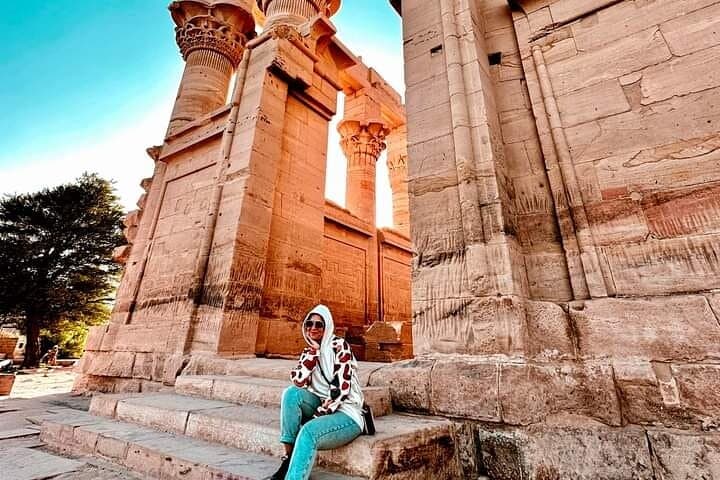
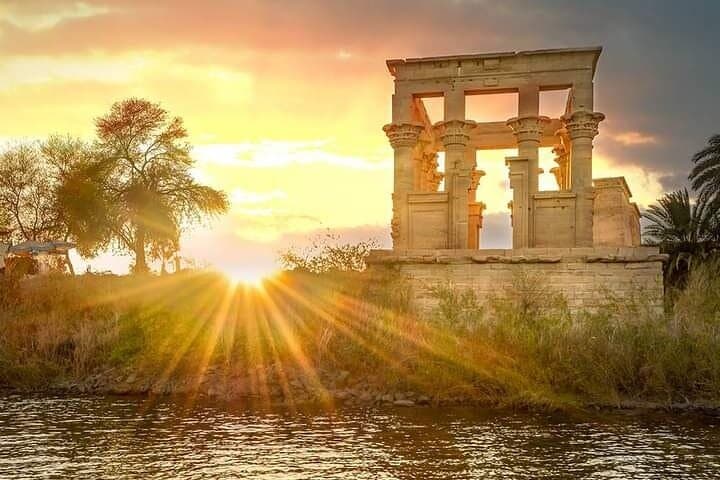
Geology here is obvious: compact sandstone cliffs and Nile-alluvium plains that guided ancient builders. Culturally the visit threads Pharaonic ritual, imperial display and later Greco-Roman touches at Philae, where Isis’s island temple sits after its own relocation to Agilkia.
Practical edge: expect a long day—16 hours door-to-door—with lots of standing and short walks on uneven stone. Bring sun protection, a refillable water bottle, and photocopies of travel documents. The schedule is tight: guides time arrivals to maximize light and avoid crowds, but permits vary, so keep your passport and printed vouchers handy.
Philae requires a short motorboat transfer; silence on the water sharpens the sense of place. Mobility access is better than decades ago, but some thresholds and uneven ground remain. Plan for an early night back in Cairo or a quiet dinner in Aswan if you extend your stay.
easy.
16 hours (full day).
Suitable for travelers in average health who can manage long days, brief stairs and short walks on uneven stone
Expect about 16 hours door-to-door from Cairo, including flights, transfers, and time at Abu Simbel and Philae.
This tour description lists flights and guide services; verify whether monument entry fees are included when booking—bring cash or card just in case.
Many transfer vehicles and main temple approaches have improved accessibility, but there are still uneven surfaces and thresholds; check specifics with the operator for your needs.
Photography is generally allowed in the temple exteriors and surrounding areas; some inner sanctuaries may restrict flash or tripods—follow onsite signage and guide instructions.
Abu Simbel’s temples were relocated block-by-block in the 1960s as part of a UNESCO-led rescue operation when the Aswan High Dam threatened to submerge them.
Visitor flows are managed to reduce wear on stone surfaces, and responsible tours emphasize staying on marked paths and minimizing plastic waste.
Egypt Best Day Tours operates guided outdoor trips and adventures with an emphasis on safety, stewardship, and memorable experiences.
At 3:00 am your Cairo hotel dissolves into the headlights of a transfer van, the city’s hum replaced by the wide, dark sweep of desert. By dawn you’re on a short flight into Aswan; later, the road leans south and the colossal faces of Abu Simbel appear, carved from the cliff as if the stone itself refused to stay still.
At 3:00 am your Cairo hotel dissolves into the headlights of a transfer van, the city’s hum replaced by the wide, dark sweep of desert. By dawn you’re on a short flight into Aswan; later, the road leans south and the colossal faces of Abu Simbel appear, carved from the cliff as if the stone itself refused to stay still.
The pair of New Kingdom temples—Ramses II’s sun-facing Great Temple and the smaller Temple of Hathor for Nefertari—are architectural gestures in living rock. In the 1960s they were cut into blocks and moved to higher ground to escape the rising waters of the Aswan High Dam, an engineering act that preserved both art and context.
Geology here is obvious: compact sandstone cliffs and Nile-alluvium plains that guided ancient builders. Culturally the visit threads Pharaonic ritual, imperial display and later Greco-Roman touches at Philae, where Isis’s island temple sits after its own relocation to Agilkia.
Practical edge: expect a long day—16 hours door-to-door—with lots of standing and short walks on uneven stone. Bring sun protection, a refillable water bottle, and photocopies of travel documents. The schedule is tight: guides time arrivals to maximize light and avoid crowds, but permits vary, so keep your passport and printed vouchers handy.
Philae requires a short motorboat transfer; silence on the water sharpens the sense of place. Mobility access is better than decades ago, but some thresholds and uneven ground remain. Plan for an early night back in Cairo or a quiet dinner in Aswan if you extend your stay.