THE ADVENTURE COLLECTIVE® · Independent discovery and booking for outdoor travel

Spend a full day outside Nairobi visiting a Maasai village to learn traditional dances, try goat milking, and see how compact, cow-dung homes are constructed. This guided, 8-hour cultural immersion balances hands-on workshops with context from local guides.
Spend a full day outside Nairobi visiting a Maasai village to learn traditional dances, try goat milking, and see how compact, cow-dung homes are constructed. This guided, 8-hour cultural immersion balances hands-on workshops with context from local guides.
You arrive before dawn and the city’s glow thins behind you; the road opens into low, acacia-dotted plains and the air acquires a dry, earthy clarity. By 8:00 a.m. the village greets you with rhythmic song—voices and feet marking time—while women lead you through compact homes built from poles, mud and cow dung, and warriors demonstrate a high jump that tests balance as much as pride.
Verified experiences and guided adventures in the surrounding area.
Operated by Tours and holidays africa · Nairobi, Nairobi County
You arrive before dawn and the city’s glow thins behind you; the road opens into low, acacia-dotted plains and the air acquires a dry, earthy clarity. By 8:00 a.m. the village greets you with rhythmic song—voices and feet marking time—while women lead you through compact homes built from poles, mud and cow dung, and warriors demonstrate a high jump that tests balance as much as pride.
The Maasai are among East Africa’s best-known pastoral peoples, with a history shaped by cattle herding, seasonal movement, and oral traditions passed through generations. The upland soils here are volcanic in origin, weathered into red clays that anchor low grasses and scattered acacia; the landscape explains both the architecture and the pastoral lifestyle.
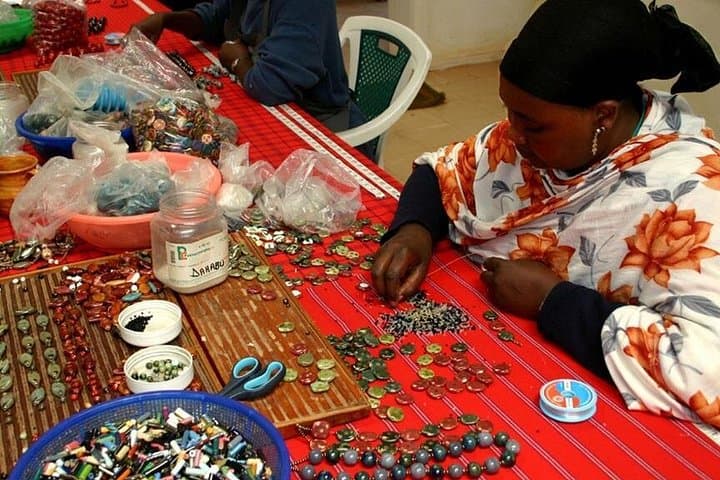
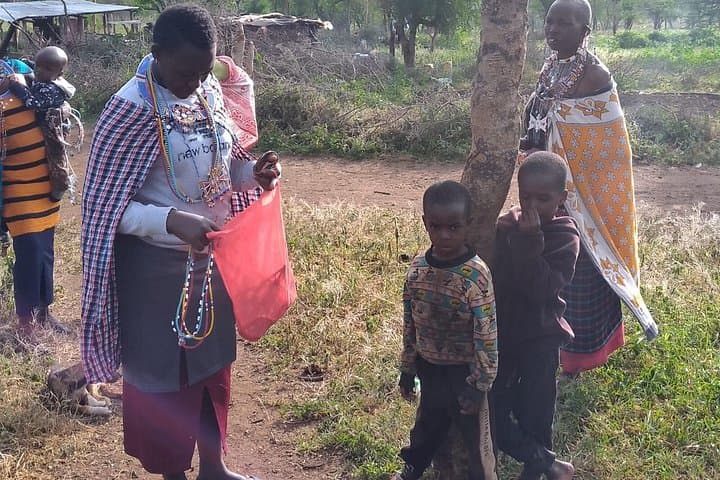
Culturally, expect hands-on moments: milking goats, beading workshops, and learning songs tied to ceremonies and cattle rites. Local guides usually explain family roles—their homes arranged for utility rather than privacy—and the social meaning behind clothing, bead color and the warriors’ dances.
Practical guidance: plan for a full day (about eight hours including transit), wear sturdy closed shoes and sun protection, and carry cash for crafts. Respect requests around photography and ask before photographing children. Stay hydrated—bottled water is provided but a refillable bottle with a filter helps reduce waste. If mobility is limited, check accessibility with the operator; the terrain is uneven.
This is a cultural exchange as much as a walk through landscape: be curious, be respectful, and leave a positive footprint—buy a handcrafted beadwork piece or donate to community projects if you want to give back.
easy.
8 hours.
Suitable for most fitness levels; expect some walking on uneven, unpaved surfaces and short standing demonstrations.
The full experience runs about eight hours from Nairobi; it typically includes hotel pickup/drop-off, bottled water, a guide and village entry, but confirm specifics at booking.
Yes—activities are family-friendly and rated easy, though some walking and steps are required; check mobility needs with the operator in advance.
Yes, beadwork and small handmade items are commonly offered by villagers; carry small denominations of Kenyan shillings as many sellers are cash-only.
Ask permission before photographing people or homes, avoid taking pictures during private ceremonies unless invited, and follow the guide’s directions for respectful behavior.
The Maasai are an Nilotic-speaking pastoral people whose social systems and material culture evolved around cattle rearing and seasonal grazing across southern Kenya and northern Tanzania.
Tourism supports community income but can strain local resources; choose operators who share revenue with communities, avoid single-use plastics and follow photography and waste rules.
Tours and holidays africa operates guided outdoor trips and adventures with an emphasis on safety, stewardship, and memorable experiences.
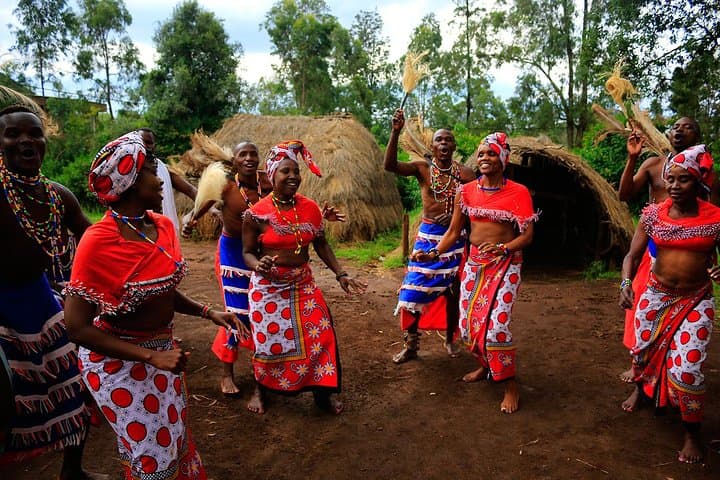
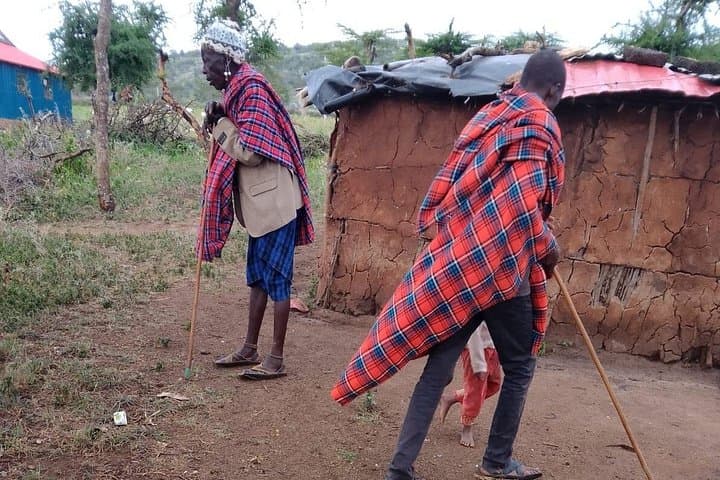
You arrive before dawn and the city’s glow thins behind you; the road opens into low, acacia-dotted plains and the air acquires a dry, earthy clarity. By 8:00 a.m. the village greets you with rhythmic song—voices and feet marking time—while women lead you through compact homes built from poles, mud and cow dung, and warriors demonstrate a high jump that tests balance as much as pride.
You arrive before dawn and the city’s glow thins behind you; the road opens into low, acacia-dotted plains and the air acquires a dry, earthy clarity. By 8:00 a.m. the village greets you with rhythmic song—voices and feet marking time—while women lead you through compact homes built from poles, mud and cow dung, and warriors demonstrate a high jump that tests balance as much as pride.
The Maasai are among East Africa’s best-known pastoral peoples, with a history shaped by cattle herding, seasonal movement, and oral traditions passed through generations. The upland soils here are volcanic in origin, weathered into red clays that anchor low grasses and scattered acacia; the landscape explains both the architecture and the pastoral lifestyle.
Culturally, expect hands-on moments: milking goats, beading workshops, and learning songs tied to ceremonies and cattle rites. Local guides usually explain family roles—their homes arranged for utility rather than privacy—and the social meaning behind clothing, bead color and the warriors’ dances.
Practical guidance: plan for a full day (about eight hours including transit), wear sturdy closed shoes and sun protection, and carry cash for crafts. Respect requests around photography and ask before photographing children. Stay hydrated—bottled water is provided but a refillable bottle with a filter helps reduce waste. If mobility is limited, check accessibility with the operator; the terrain is uneven.
This is a cultural exchange as much as a walk through landscape: be curious, be respectful, and leave a positive footprint—buy a handcrafted beadwork piece or donate to community projects if you want to give back.