THE ADVENTURE COLLECTIVE® · Independent discovery and booking for outdoor travel

Leave Cartagena before dawn for a long, rewarding day in Tayrona National Park: a 50‑meter viewpoint, a fishing cove, a 10‑minute boat and a perfect slice of sand at Playa Cristal. Expect clear water, simple Caribbean lunch and a firm briefing on responsible park etiquette.
Leave Cartagena before dawn for a long, rewarding day in Tayrona National Park: a 50‑meter viewpoint, a fishing cove, a 10‑minute boat and a perfect slice of sand at Playa Cristal. Expect clear water, simple Caribbean lunch and a firm briefing on responsible park etiquette.
Before the sun scours the colonial walls of Cartagena you’re already moving east—an early-morning convoy along the Caribbean Coast that feels part coastal highway, part pilgrimage. The air shifts from salt and diesel to the heavier, green scent of the Sierra Nevada de Santa Marta as the road narrows and the ocean opens into bands of turquoise. Your first stop is a raw ridge called Siete Olas: a 50‑meter-high outcrop where wind and waves have carved terraces and the water below divides into a dozen blues. It’s an instant lesson in how geology and current shape this coastline.
Verified experiences and guided adventures in the surrounding area.
Operated by serviexpress · Santa Marta, Magdalena
Before the sun scours the colonial walls of Cartagena you’re already moving east—an early-morning convoy along the Caribbean Coast that feels part coastal highway, part pilgrimage. The air shifts from salt and diesel to the heavier, green scent of the Sierra Nevada de Santa Marta as the road narrows and the ocean opens into bands of turquoise. Your first stop is a raw ridge called Siete Olas: a 50‑meter-high outcrop where wind and waves have carved terraces and the water below divides into a dozen blues. It’s an instant lesson in how geology and current shape this coastline.
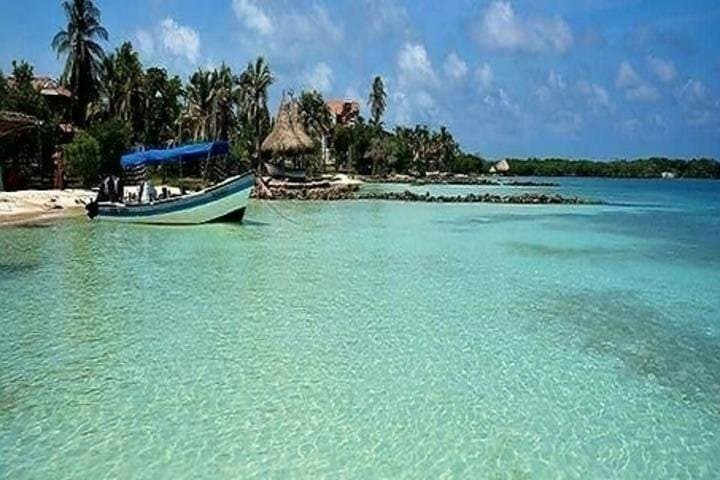
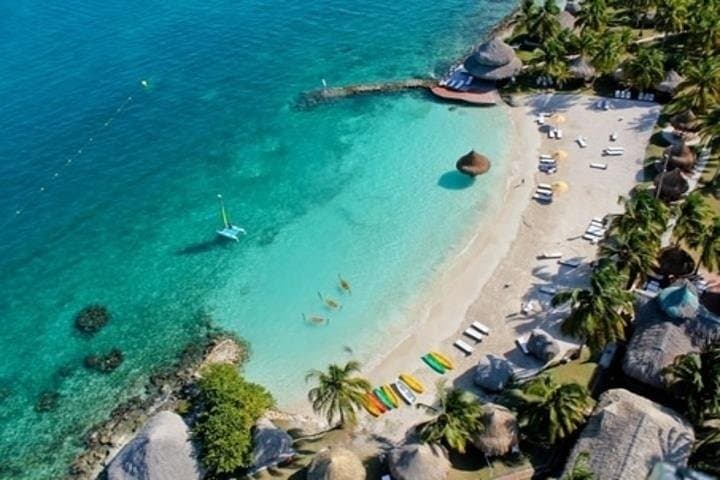
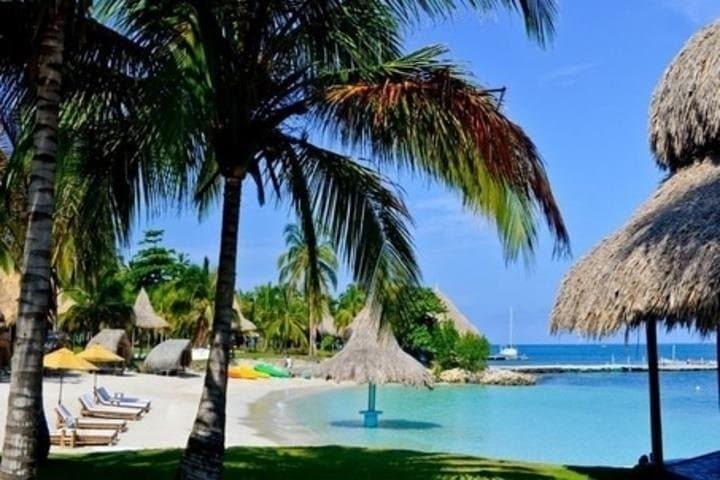
From the viewpoint the tour drops you to Neguanje, a working fishing cove where nylon nets and wooden skiffs still dominate the shore. Neguanje is more small‑town than postcard—local vendors, scatterings of palm trees and a backdrop of steep, forested foothills that belong to the Sierra Nevada, the world’s highest coastal mountain range. You’ll board a short, 10‑minute boat ride that pushes through a narrow channel and delivers you to Playa Cristal, a crescent of sand known for remarkably clear water and a calm, reef‑protected bay.
Tayrona National Natural Park guards a fragile seam of Caribbean coast where pre‑Colombian settlements once clustered and where modern conservation battles continue. The park’s beaches and trails sit at the intersection of marine and mountainous ecosystems; granite and quartzite from the Sierra Nevada plunge into coral gardens offshore. Indigenous groups—principally the Kogui, Arhuaco and Wiwa—consider these landscapes sacred, and park rules reflect cultural and ecological sensitivities.
Practically, the day is long but low on technical challenge: expect a 12–16 hour outing that includes coach transfers, short hikes, a boat crossing and beach time. Bring cash (small bills) for park fees and vendors unless your booking explicitly covers admissions and lunch. Footwear that transitions from sand to slippery rocks is useful, and reef‑safe sunscreen and a hat will make the midday sun manageable. Guides give a short briefing on responsible park behavior—no single‑use plastics, no collecting shells or corals, and keeping noise down to protect nesting birds.
Timing is everything: mornings bring the clearest water and the least wind; afternoons are when currents and the boat schedule can shift. Meals are simple Caribbean fare—fresh fish, coconut rice and plantain—that tastes like the place it comes from. On the return you’ll recline on an air‑conditioned vehicle thinking in color: seven waves, ten minutes of boat, one unmistakable pocket of tropical calm. For travelers who want an efficient, sensory day that blends beach time with cultural and natural context, this route through Tayrona delivers a compact, authentic slice of Colombia’s Caribbean coast.
easy.
12–16 hours.
Suitable for travelers in average physical condition: involves boardings, short walks on uneven terrain and some standing while waiting for boats.
The full excursion runs about 12–16 hours door‑to‑door from Cartagena, including transfers, boat ride and beach time.
Some operators include park admission and lunch; check your booking details or confirm with the supplier before departure.
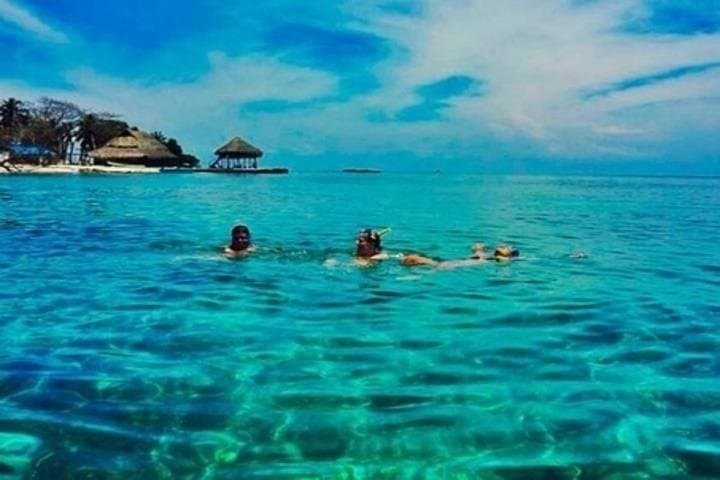
Yes—Playa Cristal’s reef‑protected bay is generally calm and good for swimming and snorkeling, though always heed guide advice about currents.
Basic facilities and simple Caribbean lunches are available at Playa Cristal, provided by local vendors or included in the tour.
The tour is marketed as easy and suitable for all fitness levels, but it includes boat transfers and uneven terrain—assess mobility and sea‑sickness risk before booking.
The tour returns by land in an air‑conditioned vehicle; travel time back to Cartagena depends on traffic and departure time from the park.
Tayrona Park protects coastal sites tied to ancient Tayrona settlements; archaeological remains and indigenous cultural practices persist in the region.
The park restricts plastics and collecting; stick to trails and use reef‑safe products to reduce impact on coral and nesting habitat.
serviexpress operates guided outdoor trips and adventures with an emphasis on safety, stewardship, and memorable experiences.
Before the sun scours the colonial walls of Cartagena you’re already moving east—an early-morning convoy along the Caribbean Coast that feels part coastal highway, part pilgrimage. The air shifts from salt and diesel to the heavier, green scent of the Sierra Nevada de Santa Marta as the road narrows and the ocean opens into bands of turquoise. Your first stop is a raw ridge called Siete Olas: a 50‑meter-high outcrop where wind and waves have carved terraces and the water below divides into a dozen blues. It’s an instant lesson in how geology and current shape this coastline.
Before the sun scours the colonial walls of Cartagena you’re already moving east—an early-morning convoy along the Caribbean Coast that feels part coastal highway, part pilgrimage. The air shifts from salt and diesel to the heavier, green scent of the Sierra Nevada de Santa Marta as the road narrows and the ocean opens into bands of turquoise. Your first stop is a raw ridge called Siete Olas: a 50‑meter-high outcrop where wind and waves have carved terraces and the water below divides into a dozen blues. It’s an instant lesson in how geology and current shape this coastline.
From the viewpoint the tour drops you to Neguanje, a working fishing cove where nylon nets and wooden skiffs still dominate the shore. Neguanje is more small‑town than postcard—local vendors, scatterings of palm trees and a backdrop of steep, forested foothills that belong to the Sierra Nevada, the world’s highest coastal mountain range. You’ll board a short, 10‑minute boat ride that pushes through a narrow channel and delivers you to Playa Cristal, a crescent of sand known for remarkably clear water and a calm, reef‑protected bay.
Tayrona National Natural Park guards a fragile seam of Caribbean coast where pre‑Colombian settlements once clustered and where modern conservation battles continue. The park’s beaches and trails sit at the intersection of marine and mountainous ecosystems; granite and quartzite from the Sierra Nevada plunge into coral gardens offshore. Indigenous groups—principally the Kogui, Arhuaco and Wiwa—consider these landscapes sacred, and park rules reflect cultural and ecological sensitivities.
Practically, the day is long but low on technical challenge: expect a 12–16 hour outing that includes coach transfers, short hikes, a boat crossing and beach time. Bring cash (small bills) for park fees and vendors unless your booking explicitly covers admissions and lunch. Footwear that transitions from sand to slippery rocks is useful, and reef‑safe sunscreen and a hat will make the midday sun manageable. Guides give a short briefing on responsible park behavior—no single‑use plastics, no collecting shells or corals, and keeping noise down to protect nesting birds.
Timing is everything: mornings bring the clearest water and the least wind; afternoons are when currents and the boat schedule can shift. Meals are simple Caribbean fare—fresh fish, coconut rice and plantain—that tastes like the place it comes from. On the return you’ll recline on an air‑conditioned vehicle thinking in color: seven waves, ten minutes of boat, one unmistakable pocket of tropical calm. For travelers who want an efficient, sensory day that blends beach time with cultural and natural context, this route through Tayrona delivers a compact, authentic slice of Colombia’s Caribbean coast.