THE ADVENTURE COLLECTIVE® · Independent discovery and booking for outdoor travel

Descend into Ngorongoro’s vast caldera on a guided day trip from Arusha—ten hours of focused wildlife viewing, geology, and Maasai cultural scenery. This full-day safari pairs comfortable transport and a picnic lunch with expert guiding to maximize sightings inside the world’s largest intact volcanic crater.
Descend into Ngorongoro’s vast caldera on a guided day trip from Arusha—ten hours of focused wildlife viewing, geology, and Maasai cultural scenery. This full-day safari pairs comfortable transport and a picnic lunch with expert guiding to maximize sightings inside the world’s largest intact volcanic crater.
You roll out of Arusha before dawn and the land opens up—acacia-sprinkled plains give way to the rim of a vast bowl outlined against the morning sky. The vehicle noses toward a descent and, in minutes, you are looking down into Ngorongoro Crater: a nearly perfect volcanic caldera whose floor pulses with herds and predators.
Verified experiences and guided adventures in the surrounding area.
Operated by Explore Green Africa Safaris · Arusha, Arusha Region
You roll out of Arusha before dawn and the land opens up—acacia-sprinkled plains give way to the rim of a vast bowl outlined against the morning sky. The vehicle noses toward a descent and, in minutes, you are looking down into Ngorongoro Crater: a nearly perfect volcanic caldera whose floor pulses with herds and predators.
Geology here is blunt and visible—the crater formed when a giant volcano collapsed roughly two to three million years ago, leaving the largest intact caldera on Earth. The Ngorongoro Conservation Area is also layered with human history; Maasai families still graze cattle on the rim and the region sits near Olduvai Gorge, a key site for early hominid finds. Culture and wildness coexist in ways that shape how the area is managed and visited.
Expect a full-day rhythm: early pickup in Arusha, a scenic drive to the rim, a slow descent and several game-drive loops across varied habitats—grassland, hippo-dotted pools, and shaded forest pockets. Guides translate animal behavior into readable narrative and you’ll stop for a picnic with crater views. Vehicles stay on established tracks; sightings are never guaranteed but the crater’s density of species makes encounters likely.
Practical notes: bring binoculars, sun protection, layered clothing for cool mornings and hot afternoons, and motion-sickness remedies if you’re sensitive to winding roads. Hydrate and move slowly around wildlife—maintain distance, follow your guide, and expect a long but accessible day back in Arusha by evening.
easy.
10 hours.
Suitable for most fitness levels; you should be comfortable entering/exiting a 4x4 and sitting for extended stretches.
Expect about 10 hours total including hotel pickup in Arusha, driving time, a sustained game drive in the crater, and return transfer.
Yes—crater service and entrance fees are included in the tour price per the itinerary details.
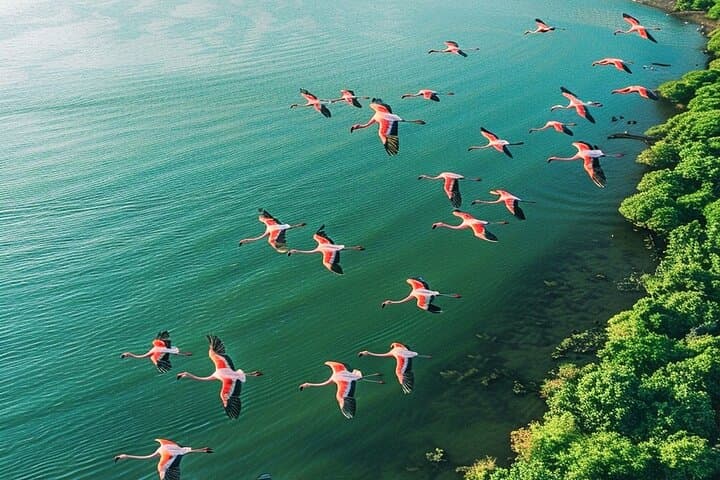
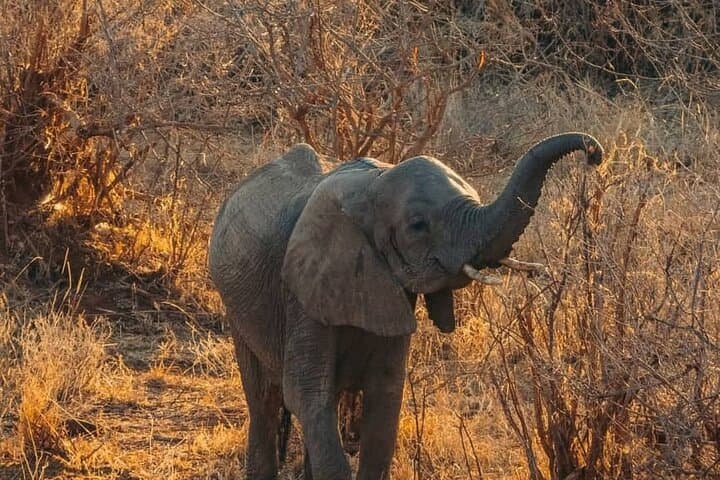
No wildlife sighting can be guaranteed, but Ngorongoro’s density of species makes sightings of many large mammals highly likely.
The tour includes a picnic lunch and bottled water; there are basic toilet facilities at designated spots, but availability can be limited in remote areas.
Ngorongoro was designated a UNESCO World Heritage Site in 1979 and sits atop a collapsed volcanic caldera formed millions of years ago.
The area balances wildlife protection with Maasai pastoralism; visitors are encouraged to follow guidelines that reduce disturbance and support local communities.
Explore Green Africa Safaris operates guided outdoor trips and adventures with an emphasis on safety, stewardship, and memorable experiences.


You roll out of Arusha before dawn and the land opens up—acacia-sprinkled plains give way to the rim of a vast bowl outlined against the morning sky. The vehicle noses toward a descent and, in minutes, you are looking down into Ngorongoro Crater: a nearly perfect volcanic caldera whose floor pulses with herds and predators.
You roll out of Arusha before dawn and the land opens up—acacia-sprinkled plains give way to the rim of a vast bowl outlined against the morning sky. The vehicle noses toward a descent and, in minutes, you are looking down into Ngorongoro Crater: a nearly perfect volcanic caldera whose floor pulses with herds and predators.
Geology here is blunt and visible—the crater formed when a giant volcano collapsed roughly two to three million years ago, leaving the largest intact caldera on Earth. The Ngorongoro Conservation Area is also layered with human history; Maasai families still graze cattle on the rim and the region sits near Olduvai Gorge, a key site for early hominid finds. Culture and wildness coexist in ways that shape how the area is managed and visited.
Expect a full-day rhythm: early pickup in Arusha, a scenic drive to the rim, a slow descent and several game-drive loops across varied habitats—grassland, hippo-dotted pools, and shaded forest pockets. Guides translate animal behavior into readable narrative and you’ll stop for a picnic with crater views. Vehicles stay on established tracks; sightings are never guaranteed but the crater’s density of species makes encounters likely.
Practical notes: bring binoculars, sun protection, layered clothing for cool mornings and hot afternoons, and motion-sickness remedies if you’re sensitive to winding roads. Hydrate and move slowly around wildlife—maintain distance, follow your guide, and expect a long but accessible day back in Arusha by evening.