THE ADVENTURE COLLECTIVE® · Independent discovery and booking for outdoor travel

Traverse valleys and mountain forests on a full-day private tour from Beirut to Qadisha Valley, the Cedars of God, and the Roman temples of Baalbek. Ancient monasteries, sacred cedars and imperial stonework combine for a compact mountain cultural odyssey.
Traverse valleys and mountain forests on a full-day private tour from Beirut to Qadisha Valley, the Cedars of God, and the Roman temples of Baalbek. Ancient monasteries, sacred cedars and imperial stonework combine for a compact mountain cultural odyssey.
You pull away from Beirut into a corridor of stone and pine; roads climb and the air sharpens until terraces and monasteries appear clinging to cliffs. Qadisha Valley opens like an ancient story—sheer walls, carved caves and small monasteries where incense smoke still lifts at midday. The valley’s streams and terraces shape the rhythm of the hike, and the pines and cedars seem to watch each visitor as if keeping count of pilgrims.
Verified experiences and guided adventures in the surrounding area.
Operated by Beirut Trip · Bcharre, North Governorate
You pull away from Beirut into a corridor of stone and pine; roads climb and the air sharpens until terraces and monasteries appear clinging to cliffs. Qadisha Valley opens like an ancient story—sheer walls, carved caves and small monasteries where incense smoke still lifts at midday. The valley’s streams and terraces shape the rhythm of the hike, and the pines and cedars seem to watch each visitor as if keeping count of pilgrims.
This route stitches together Lebanon’s deep layers: early Christian settlement in Qadisha, the surviving stand of about 375 cedars in the Cedars of God that once supplied timber to empires, and the colossal Roman architecture at Baalbek set at roughly 1,150 m above the Bekaa plain. Geology here is limestone folded by the Levantine thrusts; you’ll see terraced agriculture and cut stone that explain why these ridges hosted continuous human presence.
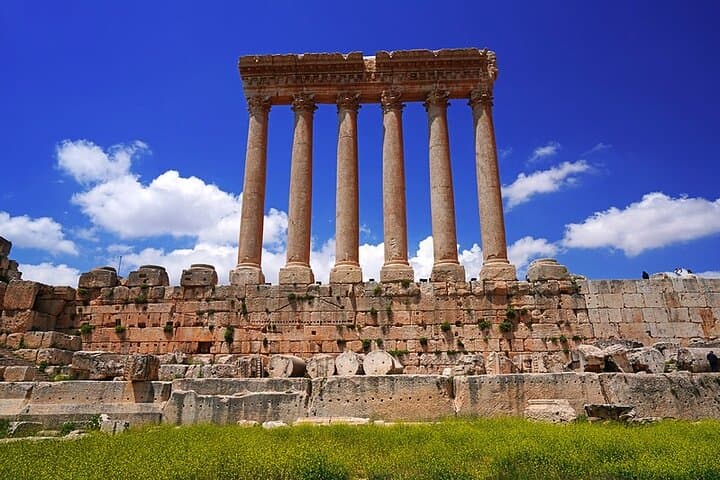
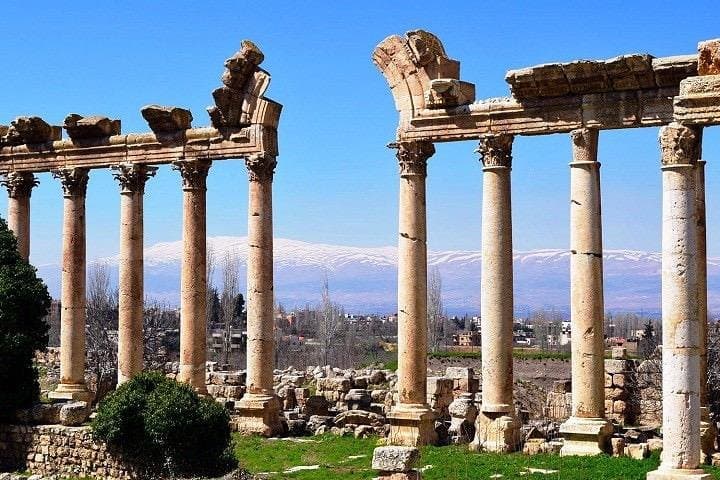
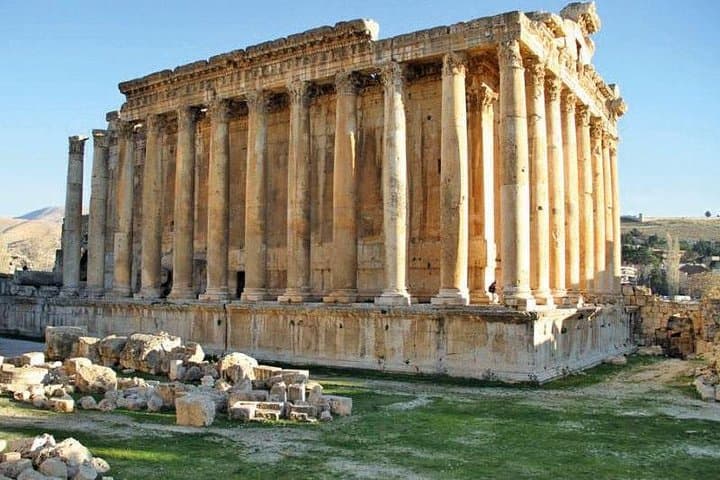
Culturally, Bcharre offers a window into mountain life and Khalil Gibran’s legacy; Baalbek delivers the scale and optics of Imperial Rome with well-preserved columns and carved monoliths. Expect a full day (about 9 hours) by private vehicle with short walks at viewpoints and monuments.
Practical guidance: start early for cooler temperatures and softer light; bring water, sun protection and sturdy shoes for uneven paths; dress respectfully for religious sites; carry local currency for temple admissions and small purchases. If you have limited mobility, ask about drop-off points—the tour accommodates a range of fitness levels but includes stairs and rocky ground at key sites.
easy.
9 hours.
Suitable for most fitness levels; expect short walks and stair sections—minimal sustained exertion.
This is a full-day private tour (about 9 hours) with driving between sites and short guided walks at Qadisha, the Cedars and Baalbek; pace is relaxed but includes some stairs and uneven ground.
Baalbek admission is not included on the itinerary, so plan to pay the local entry fee on site—carry cash.
Yes—transport is private and the itinerary notes suitability for all fitness levels; however, mobility issues may limit access within some monasteries and temple terraces.
A mid-range zoom and wide lens cover most compositions: close-up carvings in Baalbek and sweeping valley shots; a small tripod helps for low-light monastery interiors.
Qadisha Valley hosted early Christian monastic communities whose rock-cut hermitages and churches date back many centuries; Baalbek rose to prominence under Roman rule as Heliopolis, famed for monumental temple construction.
The Cedars of God is a protected remnant; stay on designated paths and avoid touching bark to reduce stress on these slow-growing trees, and support local conservation initiatives when possible.
Beirut Trip operates guided outdoor trips and adventures with an emphasis on safety, stewardship, and memorable experiences.
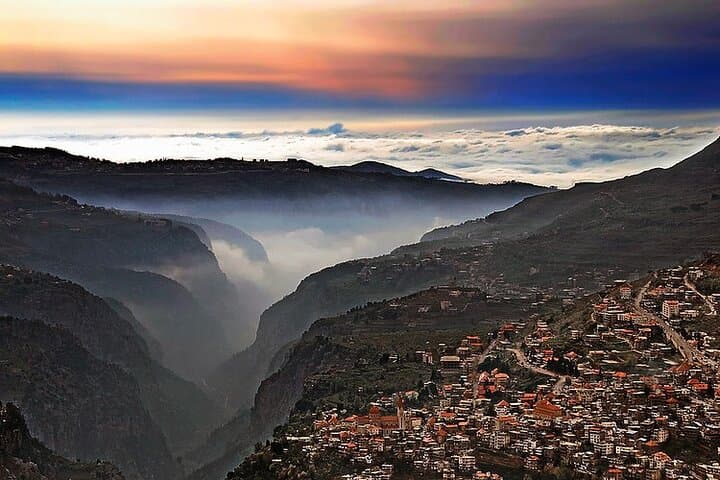
You pull away from Beirut into a corridor of stone and pine; roads climb and the air sharpens until terraces and monasteries appear clinging to cliffs. Qadisha Valley opens like an ancient story—sheer walls, carved caves and small monasteries where incense smoke still lifts at midday. The valley’s streams and terraces shape the rhythm of the hike, and the pines and cedars seem to watch each visitor as if keeping count of pilgrims.
You pull away from Beirut into a corridor of stone and pine; roads climb and the air sharpens until terraces and monasteries appear clinging to cliffs. Qadisha Valley opens like an ancient story—sheer walls, carved caves and small monasteries where incense smoke still lifts at midday. The valley’s streams and terraces shape the rhythm of the hike, and the pines and cedars seem to watch each visitor as if keeping count of pilgrims.
This route stitches together Lebanon’s deep layers: early Christian settlement in Qadisha, the surviving stand of about 375 cedars in the Cedars of God that once supplied timber to empires, and the colossal Roman architecture at Baalbek set at roughly 1,150 m above the Bekaa plain. Geology here is limestone folded by the Levantine thrusts; you’ll see terraced agriculture and cut stone that explain why these ridges hosted continuous human presence.
Culturally, Bcharre offers a window into mountain life and Khalil Gibran’s legacy; Baalbek delivers the scale and optics of Imperial Rome with well-preserved columns and carved monoliths. Expect a full day (about 9 hours) by private vehicle with short walks at viewpoints and monuments.
Practical guidance: start early for cooler temperatures and softer light; bring water, sun protection and sturdy shoes for uneven paths; dress respectfully for religious sites; carry local currency for temple admissions and small purchases. If you have limited mobility, ask about drop-off points—the tour accommodates a range of fitness levels but includes stairs and rocky ground at key sites.