THE ADVENTURE COLLECTIVE® · Independent discovery and booking for outdoor travel

Explore Romania’s royal past and medieval myths on a full‑day small‑group tour from Bucharest. Visit Peles Castle, Bran Castle, and Brașov’s Old Town with guided history and practical tips for timing and tickets.
Explore Romania’s royal past and medieval myths on a full‑day small‑group tour from Bucharest. Visit Peles Castle, Bran Castle, and Brașov’s Old Town with guided history and practical tips for timing and tickets.
You step out of the minivan into a high-forest silence that feels almost deliberate—the Bucegi foothills breathing cool air down the valley as Peles Castle’s spires cut the sky. Stone steps and carved wood invite close inspection; the mountain around you seems to lean in, an attentive audience to Romania’s royal architecture.
Verified experiences and guided adventures in the surrounding area.
You step out of the minivan into a high-forest silence that feels almost deliberate—the Bucegi foothills breathing cool air down the valley as Peles Castle’s spires cut the sky. Stone steps and carved wood invite close inspection; the mountain around you seems to lean in, an attentive audience to Romania’s royal architecture.
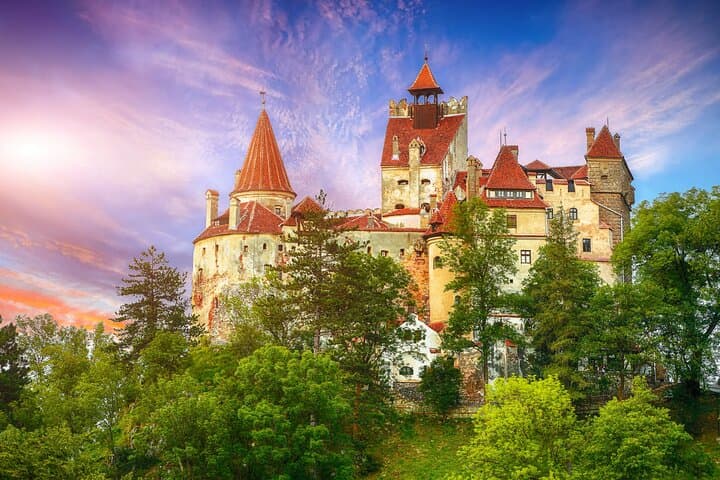
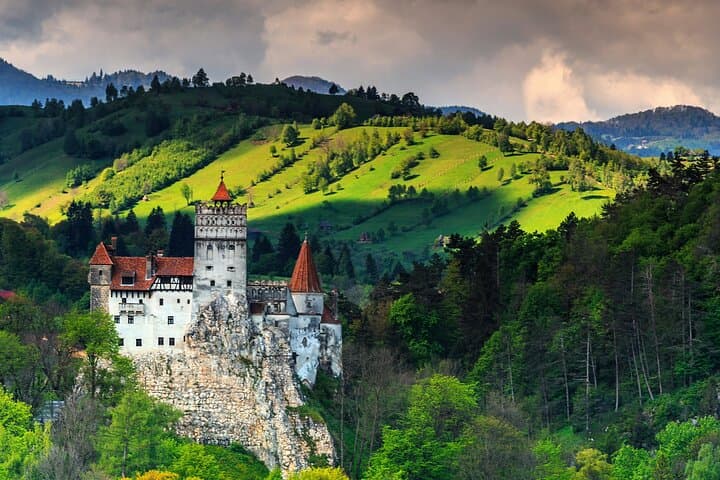
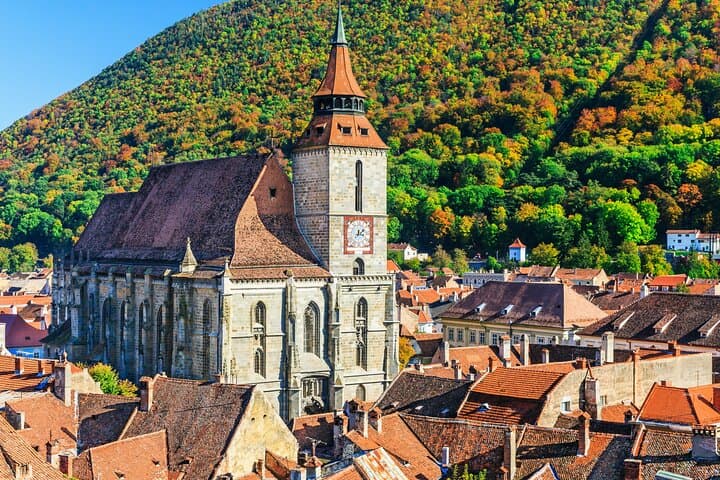
Peleș, completed in the late 19th century for King Carol I, displays Neo‑Renaissance design and ornate interiors that reflect Romania’s modernizing era. The route swings west to Bran Castle, a dramatic hilltop stronghold wrapped in medieval legend and modern tourism—its Gothic silhouette prompts stories of Vlad Țepeș and persistent Dracula myths. The final act is Brașov: a Hanseatic-tinged market square, the Black Church’s Gothic bulk, and streets whose cobbles still remember merchants and marching soldiers.
Geology here is clear: the Southern Carpathians carve the valleys and supply the sandstone and limestone that shaped both ramparts and roads. Local culture mixes Transylvanian Saxon, Romanian Orthodox, and mountain shepherd traditions—expect hearty sarmale and polenta sold in cafes near Council Square.
Practical notes: book Peleș Castle timed tickets in advance (early slot recommended), wear sturdy shoes for cobbles and castle staircases, and plan for a full 12‑hour day with multiple stops. Hydrate between sites; there’s short walking at each location but several flights of stairs. If you want photos without crowds, linger at the castle exteriors early or late in the allocated visit window.
easy.
12 hours.
Suitable for average fitness: mostly short walks, standing during guided tours, and climbing stairs inside castles.
Yes—Peleș uses timed tickets and limits daily visitors; purchase the earliest time slot that aligns with the tour arrival (around 9:15) to ensure entry.
Yes—the tour includes hotel pick-up and drop-off in Bucharest; confirm your pickup point when booking.
Breakfast is typically not included; the tour provides 1 coffee and 1 bottle of water—expect a lunch stop in Brașov to pay for your own meal.
It’s family-friendly for children able to handle stairs and walks, but not recommended for pregnant travelers or those with serious heart conditions due to walking and stair navigation.
Peleș Castle was built for Romania’s first king as a modern royal residence, while Bran’s fortress gained legend through its association with Vlad Țepeș and later national heritage narratives.
High visitor numbers prompted timed-entry at Peleș to protect interiors; follow marked paths, avoid flash photography when restricted, and support local businesses to keep tourism sustainable.
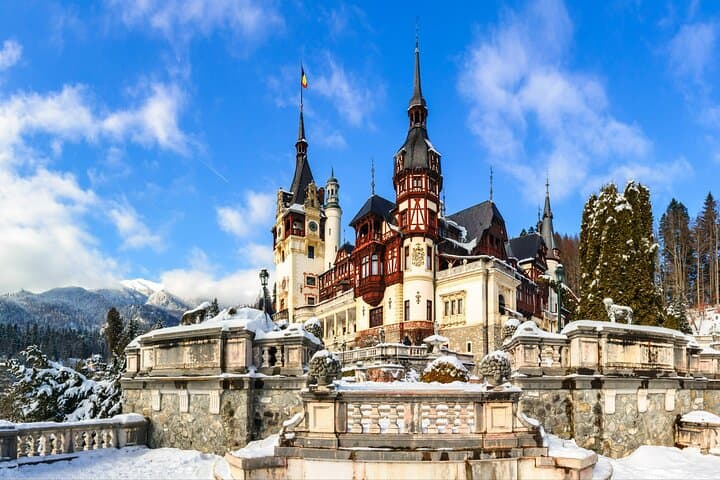
You step out of the minivan into a high-forest silence that feels almost deliberate—the Bucegi foothills breathing cool air down the valley as Peles Castle’s spires cut the sky. Stone steps and carved wood invite close inspection; the mountain around you seems to lean in, an attentive audience to Romania’s royal architecture.
You step out of the minivan into a high-forest silence that feels almost deliberate—the Bucegi foothills breathing cool air down the valley as Peles Castle’s spires cut the sky. Stone steps and carved wood invite close inspection; the mountain around you seems to lean in, an attentive audience to Romania’s royal architecture.
Peleș, completed in the late 19th century for King Carol I, displays Neo‑Renaissance design and ornate interiors that reflect Romania’s modernizing era. The route swings west to Bran Castle, a dramatic hilltop stronghold wrapped in medieval legend and modern tourism—its Gothic silhouette prompts stories of Vlad Țepeș and persistent Dracula myths. The final act is Brașov: a Hanseatic-tinged market square, the Black Church’s Gothic bulk, and streets whose cobbles still remember merchants and marching soldiers.
Geology here is clear: the Southern Carpathians carve the valleys and supply the sandstone and limestone that shaped both ramparts and roads. Local culture mixes Transylvanian Saxon, Romanian Orthodox, and mountain shepherd traditions—expect hearty sarmale and polenta sold in cafes near Council Square.
Practical notes: book Peleș Castle timed tickets in advance (early slot recommended), wear sturdy shoes for cobbles and castle staircases, and plan for a full 12‑hour day with multiple stops. Hydrate between sites; there’s short walking at each location but several flights of stairs. If you want photos without crowds, linger at the castle exteriors early or late in the allocated visit window.