THE ADVENTURE COLLECTIVE® · Independent discovery and booking for outdoor travel

Escape Marrakech for a full day in the High Atlas: hike to Setti Fatma’s waterfalls, visit a Berber cooperative, and dine by the Ourika River. This accessible day trip blends easy mountain walking, cultural stops and scenic drives.
Escape Marrakech for a full day in the High Atlas: hike to Setti Fatma’s waterfalls, visit a Berber cooperative, and dine by the Ourika River. This accessible day trip blends easy mountain walking, cultural stops and scenic drives.
A dust-scented minivan peels away from Marrakech just after dawn, the city’s pulse shrinking behind you while the High Atlas climbs into view. The road threads through terraced fields and sudden drops; cedar-scarred ridgelines push the sky wide and the Ourika River dares you to slow down and listen. By mid-morning the village of Setti Fatma sits like a green notch in the mountains—streams, olive groves and the steady roar of waterfalls.
Verified experiences and guided adventures in the surrounding area.
Operated by Km2tours · Setti Fatma, Marrakech-Safi
A dust-scented minivan peels away from Marrakech just after dawn, the city’s pulse shrinking behind you while the High Atlas climbs into view. The road threads through terraced fields and sudden drops; cedar-scarred ridgelines push the sky wide and the Ourika River dares you to slow down and listen. By mid-morning the village of Setti Fatma sits like a green notch in the mountains—streams, olive groves and the steady roar of waterfalls.
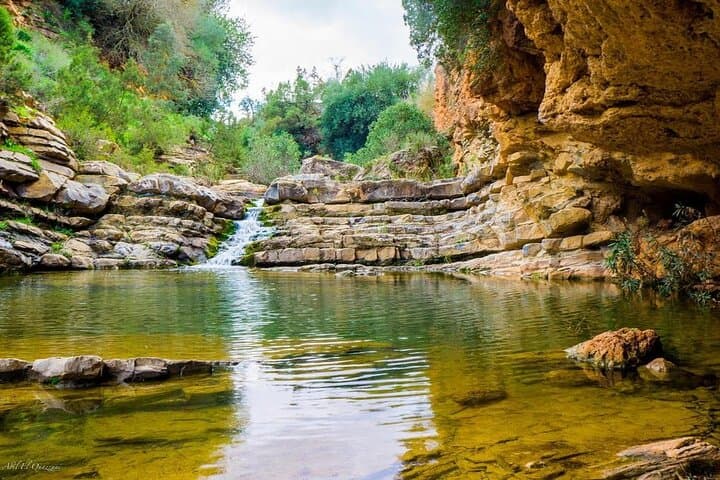
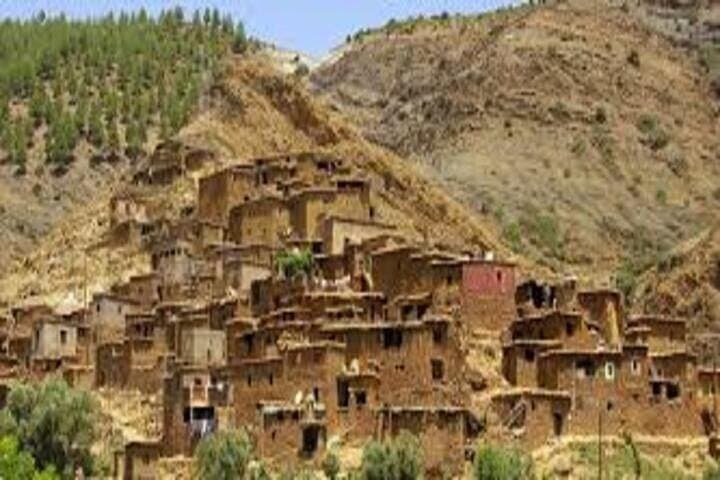
The valley is shaped by young, rugged geology: eroding schists and limestone that channel winter rains into the cascades and carve narrow gorges. Amazigh (Berber) communities have farmed these slopes for centuries; you'll stop at a small cooperative to see argan and olive processing and to learn local craft traditions that blend subsistence farming with growing tourism.
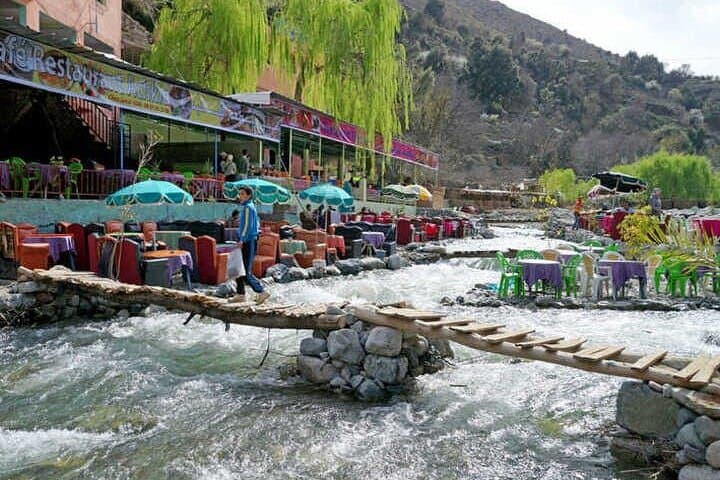
The hike to Setti Fatma’s falls is straightforward but variable—rocky footpaths, river crossings on simple footbridges and short, steep pitches. Guides often lead small groups, pointing out endemic plants and the way the river’s current dictates village locations. Lunch beside the river is typically tagine and mint tea, a chance to trade the trail’s grit for local flavors.
Practical notes: wear sturdy shoes with grip, carry at least 1.5 liters of water, and pace yourself on the slippery stones near the cascades. Mornings are cooler; afternoons heat quickly in summer. Transport is usually included on full-day excursions from Marrakech, so confirm pickup details and any mobility limits before booking. The day balances cultural insight and a concentrated mountain hike—an accessible slice of the Atlas that still feels like an escape.
moderate.
7–8 hours.
Moderate fitness: comfortable walking on uneven trails and short steep sections; not suitable for those with significant mobility issues.
The walking portion in Setti Fatma is usually 1–3 km round trip depending on which cascades you reach; expect rocky terrain and some short steep sections.
Yes—most operators include round-trip pickup and drop-off from central Marrakech; confirm the exact meeting point and time when booking.
Families with active children can usually manage the walk; older travelers should consider mobility limits and let the operator know to arrange easier options if available.
A riverside Moroccan lunch (often tagine and tea) is typically included as part of the day tour—inform the operator of dietary restrictions in advance.
The Ourika Valley has long been a seasonal farming corridor for Amazigh communities; villages formed along the river where irrigation and argan trees supported small-scale agriculture.
Foot traffic concentrates on certain trails—stick to paths, pack out litter, and prioritize locally run cooperatives that support traditional livelihoods.
Km2tours operates guided outdoor trips and adventures with an emphasis on safety, stewardship, and memorable experiences.
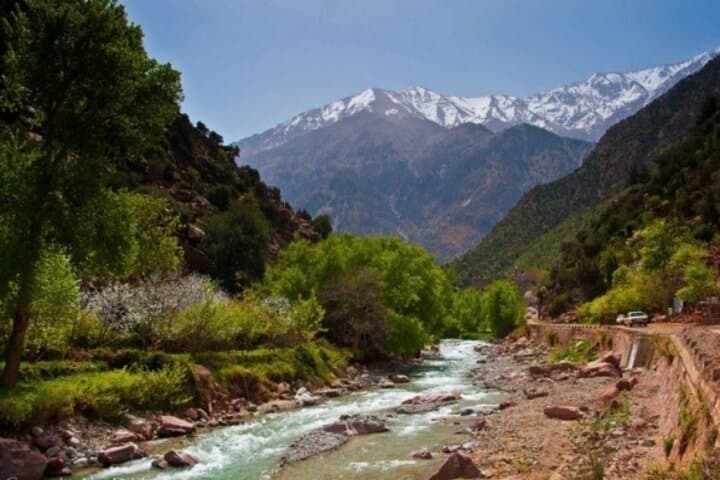
A dust-scented minivan peels away from Marrakech just after dawn, the city’s pulse shrinking behind you while the High Atlas climbs into view. The road threads through terraced fields and sudden drops; cedar-scarred ridgelines push the sky wide and the Ourika River dares you to slow down and listen. By mid-morning the village of Setti Fatma sits like a green notch in the mountains—streams, olive groves and the steady roar of waterfalls.
A dust-scented minivan peels away from Marrakech just after dawn, the city’s pulse shrinking behind you while the High Atlas climbs into view. The road threads through terraced fields and sudden drops; cedar-scarred ridgelines push the sky wide and the Ourika River dares you to slow down and listen. By mid-morning the village of Setti Fatma sits like a green notch in the mountains—streams, olive groves and the steady roar of waterfalls.
The valley is shaped by young, rugged geology: eroding schists and limestone that channel winter rains into the cascades and carve narrow gorges. Amazigh (Berber) communities have farmed these slopes for centuries; you'll stop at a small cooperative to see argan and olive processing and to learn local craft traditions that blend subsistence farming with growing tourism.
The hike to Setti Fatma’s falls is straightforward but variable—rocky footpaths, river crossings on simple footbridges and short, steep pitches. Guides often lead small groups, pointing out endemic plants and the way the river’s current dictates village locations. Lunch beside the river is typically tagine and mint tea, a chance to trade the trail’s grit for local flavors.
Practical notes: wear sturdy shoes with grip, carry at least 1.5 liters of water, and pace yourself on the slippery stones near the cascades. Mornings are cooler; afternoons heat quickly in summer. Transport is usually included on full-day excursions from Marrakech, so confirm pickup details and any mobility limits before booking. The day balances cultural insight and a concentrated mountain hike—an accessible slice of the Atlas that still feels like an escape.