THE ADVENTURE COLLECTIVE® · Independent discovery and booking for outdoor travel

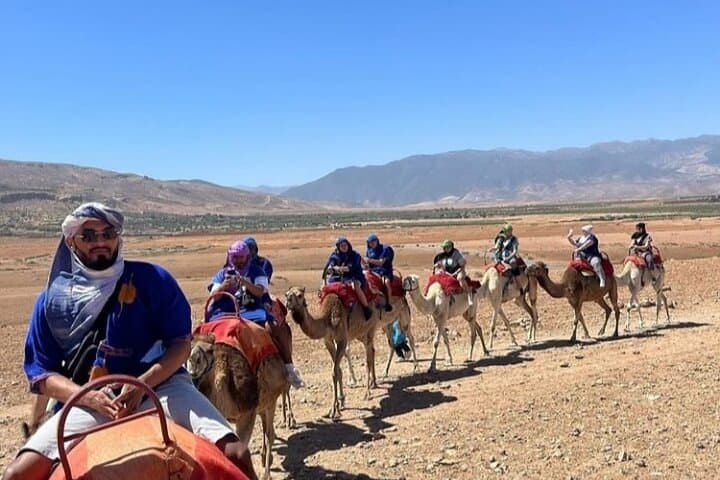
Escape Marrakech for a full-day journey into the Ourika Valley and the lower High Atlas. Expect riverside walks to Setti Fatma’s waterfalls, visits to Berber villages, and close-up views of terraced farms and mountain geology.
Escape Marrakech for a full-day journey into the Ourika Valley and the lower High Atlas. Expect riverside walks to Setti Fatma’s waterfalls, visits to Berber villages, and close-up views of terraced farms and mountain geology.
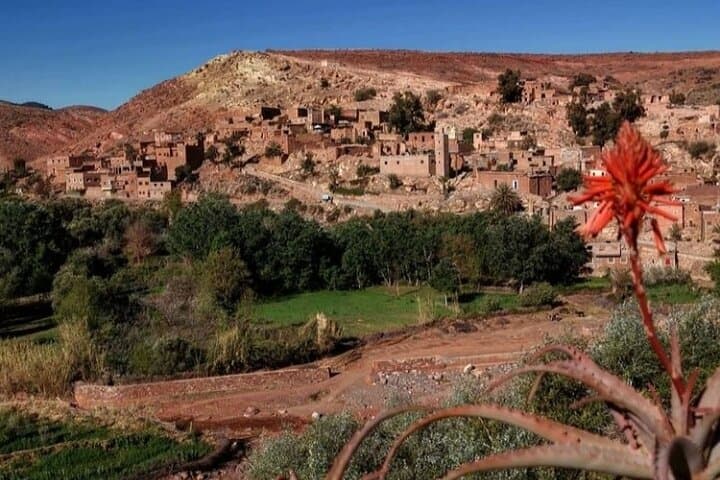
A dry wind moves down the irrigation channels and the river ourika cuts a bright line through terraces and adobe homes as a private vehicle climbs out of Marrakech.
Verified experiences and guided adventures in the surrounding area.
Operated by ADVENTURE MOROCCO TRIPS · Marrakech, Marrakech-Safi
A dry wind moves down the irrigation channels and the river ourika cuts a bright line through terraces and adobe homes as a private vehicle climbs out of Marrakech.
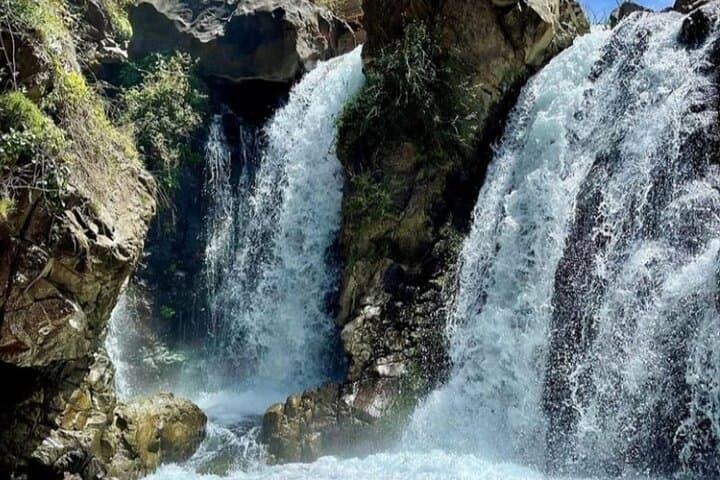
In a single day this trip carries you roughly 60 km southeast into the lower High Atlas, following a ribbon of road that opens onto villages built of sun-baked clay and stone. The walk to Setti Fatma’s waterfalls is the highlight: an easy-to-moderate riverside trail with short rocky steps and pools framed by cedar and almond trees. Geologically the valley is an incision into the Atlas massifs—sedimentary layers scoured by seasonal flows—so expect a landscape of steep banks, stepped farms and boulder-strewn stream beds.
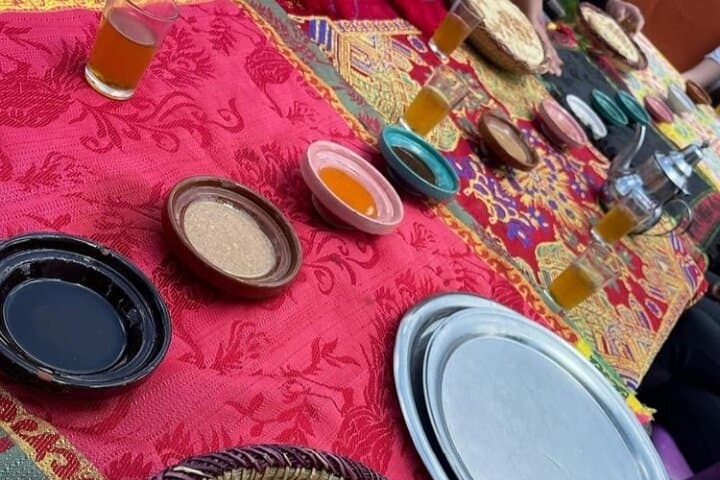
Berber families have farmed these slopes for centuries; many houses still follow traditional adobe forms and you’ll see terraced plots irrigated by age-old channels. Local tea stands and small co‑ops sell argan oil and handmade crafts—small cultural stops that support village economies.
Practical guidance: plan for a long day (about 9–10 hours door-to-door), wear sturdy trail shoes, and bring layered clothing—mountain sun can be brief but intense while shade by the river stays cool. The waterfall hike typically covers 1–3 km of uneven terrain with up to a few hundred meters of cumulative gain if you climb higher; carry water, sunscreen and small-change for village purchases.
This trip is ideal for travelers who want a contained mountain experience with cultural encounters and short hiking, without multi-day logistics.
moderate.
9–10 hours (door-to-door).
Suitable for people with regular activity who can handle several hours of walking on uneven terrain and short elevation changes.
The drive is roughly 60 km and typically takes 45–75 minutes depending on traffic and stops en route.
No—most visitors find it an easy-to-moderate walk of 1–3 km on uneven terrain with some stone steps; occasional steeper sections if you climb above the main falls.
Basic tea stands and small cafés operate in villages like Setti Fatma; restrooms are simple and usually available at cafés or trailheads.
Yes for most—children and older guests should be able to manage short walks but mobility-impaired travelers may face difficulty on uneven trails and steps.
The valley has long been farmed by Berber (Amazigh) communities who developed terraced irrigation systems and maintained distinct adobe building traditions.
Increasing day-trip traffic stresses water and trail systems; stick to marked paths, avoid leaving waste, and support local vendors who practice sustainable sourcing.
ADVENTURE MOROCCO TRIPS operates guided outdoor trips and adventures with an emphasis on safety, stewardship, and memorable experiences.
A dry wind moves down the irrigation channels and the river ourika cuts a bright line through terraces and adobe homes as a private vehicle climbs out of Marrakech.
A dry wind moves down the irrigation channels and the river ourika cuts a bright line through terraces and adobe homes as a private vehicle climbs out of Marrakech.
In a single day this trip carries you roughly 60 km southeast into the lower High Atlas, following a ribbon of road that opens onto villages built of sun-baked clay and stone. The walk to Setti Fatma’s waterfalls is the highlight: an easy-to-moderate riverside trail with short rocky steps and pools framed by cedar and almond trees. Geologically the valley is an incision into the Atlas massifs—sedimentary layers scoured by seasonal flows—so expect a landscape of steep banks, stepped farms and boulder-strewn stream beds.
Berber families have farmed these slopes for centuries; many houses still follow traditional adobe forms and you’ll see terraced plots irrigated by age-old channels. Local tea stands and small co‑ops sell argan oil and handmade crafts—small cultural stops that support village economies.
Practical guidance: plan for a long day (about 9–10 hours door-to-door), wear sturdy trail shoes, and bring layered clothing—mountain sun can be brief but intense while shade by the river stays cool. The waterfall hike typically covers 1–3 km of uneven terrain with up to a few hundred meters of cumulative gain if you climb higher; carry water, sunscreen and small-change for village purchases.
This trip is ideal for travelers who want a contained mountain experience with cultural encounters and short hiking, without multi-day logistics.