THE ADVENTURE COLLECTIVE® · Independent discovery and booking for outdoor travel

Spend a day exploring Chenonceau’s river bridge, Amboise’s royal keep and Leonardo’s Clos Lucé on this guided Loire Valley tour. Expect heritage interiors, manicured Renaissance gardens and a steady rhythm of short walks between sites.
Spend a day exploring Chenonceau’s river bridge, Amboise’s royal keep and Leonardo’s Clos Lucé on this guided Loire Valley tour. Expect heritage interiors, manicured Renaissance gardens and a steady rhythm of short walks between sites.
A morning mist lifts off the Loire as the coach winds away from Paris and the first slate roofs and turrets appear on the horizon. Travelers step onto lawns where Renaissance gardens slope toward the river, and the stone of Chenonceau—arched across the current—catches the light like a held breath.
Verified experiences and guided adventures in the surrounding area.
Operated by Brasileiros em Paris · Chenonceaux, Centre-Val de Loire
A morning mist lifts off the Loire as the coach winds away from Paris and the first slate roofs and turrets appear on the horizon. Travelers step onto lawns where Renaissance gardens slope toward the river, and the stone of Chenonceau—arched across the current—catches the light like a held breath.
This full-day excursion brings together three sites that trace France’s turn from fortified medieval keep to courtly Renaissance residence. Chenonceau’s gallery feels lived-in: tapestries, carved beds and a bridge that has borne queens, mistresses and wartime nurses. In Amboise, a medieval fortress was modified into a royal palace where François I hosted artists and scholars; its chapel holds the tomb of Leonardo da Vinci, whose presence lingers in the nearby Clos Lucé, a compact manor where his machines and notebooks are exhibited.
Geology here is gentle—limestone plateaus carved by the Loire, producing fertile soils and a low, navigable river that shaped settlement and transport. Culture is tangible in market stalls selling goat cheese, tarte Tatin and wines of the Touraine appellation.
Practical note: expect cobbled courtyards, stairs and several short walks between gates and gardens. Guided time is paced—roughly two hours at each major stop—so wear supportive shoes, bring water, and reserve a full day. Midday light is best for photography at Chenonceau; late afternoon gives softer views from the Amboise terraces. The tour includes admissions for the castles and offers Portuguese-speaking assistance for travelers requiring it.
moderate.
10–12 hours.
Moderate fitness for several hours of standing, walking on uneven ground, and climbing stairs.
The tour is a full-day experience (about 10–12 hours from Paris). Expect roughly two hours at Chenonceau, two hours at Amboise, and an optional visit to Clos Lucé with time to browse gardens and exhibitions.
The tour includes round-trip transportation and admissions for Chenonceau and Amboise; Clos Lucé is sometimes optional and may require a separate fee—confirm at booking.
The itinerary notes wheelchair access for parts of the route, but historic rooms and towers have stairs—contact the operator in advance to discuss accommodations and pickup details.
Yes—the operator provides Portuguese-speaking assistance before and during the tour; confirm language needs when booking.
The Loire Valley was a favorite of French royalty who transformed medieval fortresses into Renaissance palaces; Leonardo da Vinci spent his final years at Clos Lucé under royal patronage.
Historic properties limit access to sensitive rooms and gardens; follow paths, avoid touching artifacts, and support local conservation-minded businesses.
Brasileiros em Paris operates guided outdoor trips and adventures with an emphasis on safety, stewardship, and memorable experiences.
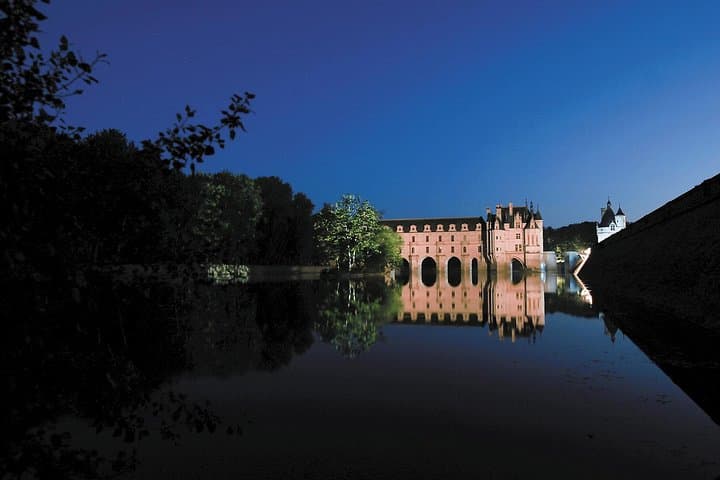
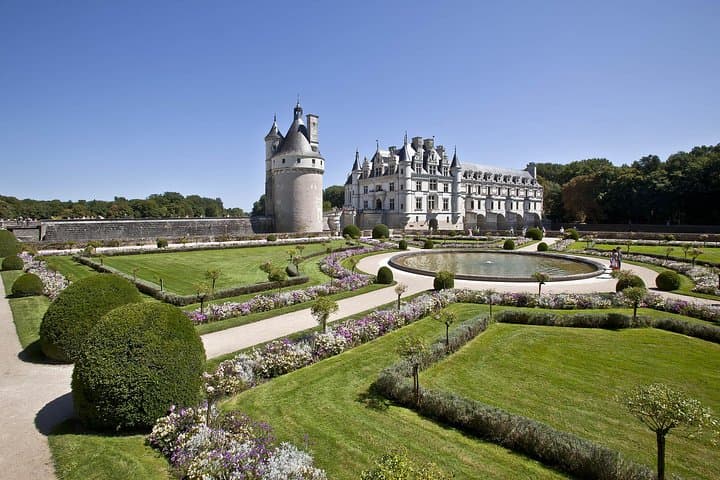
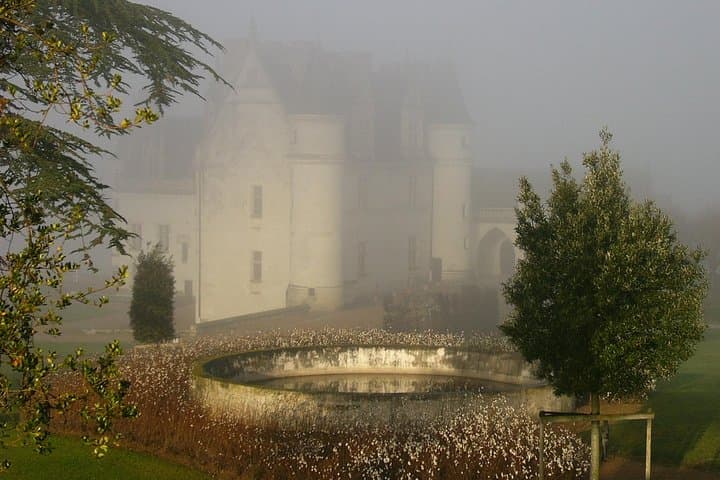
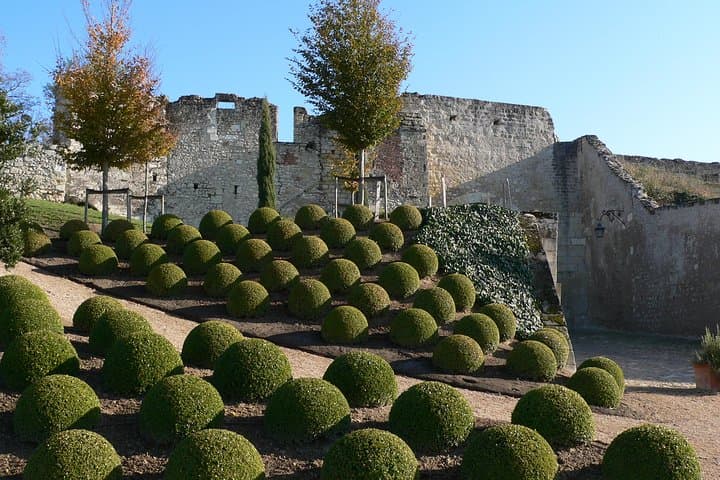
A morning mist lifts off the Loire as the coach winds away from Paris and the first slate roofs and turrets appear on the horizon. Travelers step onto lawns where Renaissance gardens slope toward the river, and the stone of Chenonceau—arched across the current—catches the light like a held breath.
A morning mist lifts off the Loire as the coach winds away from Paris and the first slate roofs and turrets appear on the horizon. Travelers step onto lawns where Renaissance gardens slope toward the river, and the stone of Chenonceau—arched across the current—catches the light like a held breath.
This full-day excursion brings together three sites that trace France’s turn from fortified medieval keep to courtly Renaissance residence. Chenonceau’s gallery feels lived-in: tapestries, carved beds and a bridge that has borne queens, mistresses and wartime nurses. In Amboise, a medieval fortress was modified into a royal palace where François I hosted artists and scholars; its chapel holds the tomb of Leonardo da Vinci, whose presence lingers in the nearby Clos Lucé, a compact manor where his machines and notebooks are exhibited.
Geology here is gentle—limestone plateaus carved by the Loire, producing fertile soils and a low, navigable river that shaped settlement and transport. Culture is tangible in market stalls selling goat cheese, tarte Tatin and wines of the Touraine appellation.
Practical note: expect cobbled courtyards, stairs and several short walks between gates and gardens. Guided time is paced—roughly two hours at each major stop—so wear supportive shoes, bring water, and reserve a full day. Midday light is best for photography at Chenonceau; late afternoon gives softer views from the Amboise terraces. The tour includes admissions for the castles and offers Portuguese-speaking assistance for travelers requiring it.