THE ADVENTURE COLLECTIVE® · Independent discovery and booking for outdoor travel

A full-day boat tour from Kissamos to Gramvousa Island and Balos Lagoon combines a Venetian castle climb, turquoise shallow bays, and wildlife sightings. Plan for a long day, sturdy footwear, and calm seas to make the most of the lagoon’s colors and the island’s views.
A full-day boat tour from Kissamos to Gramvousa Island and Balos Lagoon combines a Venetian castle climb, turquoise shallow bays, and wildlife sightings. Plan for a long day, sturdy footwear, and calm seas to make the most of the lagoon’s colors and the island’s views.
A turquoise horizon opens as the boat slips away from Kissamos harbor, salt-slick air pushing at your face and the profile of Gramvousa rising ahead—a sheer cliff crowned by a weathered Venetian castle.
Verified experiences and guided adventures in the surrounding area.
Operated by ANY DESTINATION · Kissamos, Crete
A turquoise horizon opens as the boat slips away from Kissamos harbor, salt-slick air pushing at your face and the profile of Gramvousa rising ahead—a sheer cliff crowned by a weathered Venetian castle.
The trip reads like a compressed history of western Crete: Venetian fortifications, Ottoman-era raids, and a brief chapter where rebels-turned-pirates used Gramvousa as a wartime base during the 19th-century Revolution. Geology here is dramatic—limestone and flysch cliffs have been tilted and folded so the western shore can sit several meters higher than it did centuries ago, producing sheer escarpments and shallow, jade-colored lagoons at Balos.
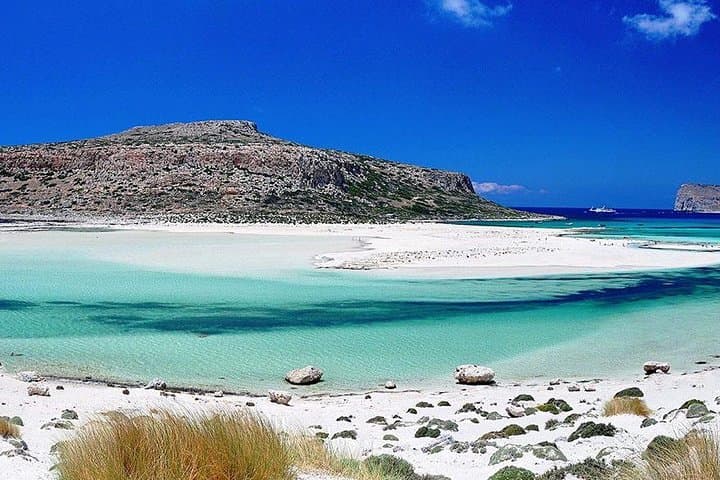
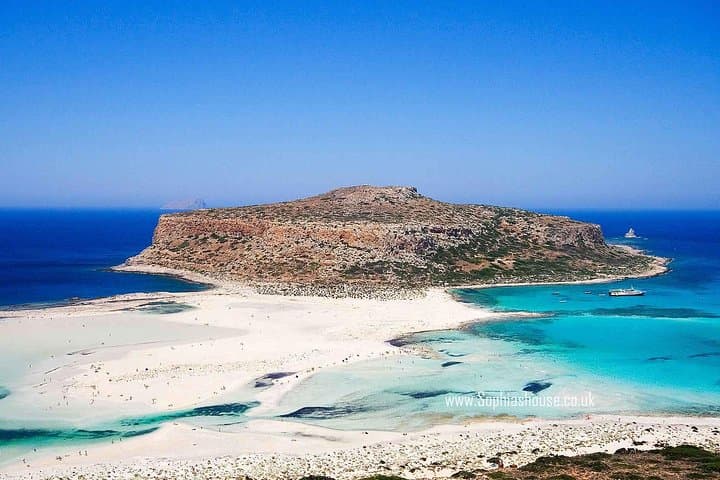
Balos’s shallow, warm water and whitish sand create Caribbean-like colors; its shallow seabed supports Posidonia seagrass beds, an essential nursery for fish and a foraging area for loggerhead turtles. Visitors often spot dolphins and, more rarely, Mediterranean monk seals on rocky ledges—wildlife that gives the place a fragile, protected feel.
Practical side: expect a long day (boat crossings plus time ashore can fill 12–14 hours). The castle climb involves stone steps and loose surfaces; the beach requires a short walk over sand and rocks. Bring water, sun protection, and footwear that can handle both rocks and sand. The tour often includes a multilingual guide and bus transfers from Chania or Rethimno to Kissamos; food is typically optional aboard or pack a light picnic.
Timing is everything—calm seas make the boat ride comfortable and reveal the best colors in the lagoon. Respect marked nesting areas, pack out trash, and plan for a full day to absorb both the scenery and the stories of this rugged Cretan coast.
moderate.
14 hours.
Suitable for travelers with average fitness; requires ability to climb steep stone steps and walk on sand and uneven rock.
Crossings vary with sea conditions but typically take 30–60 minutes each way to reach Gramvousa and Balos from Kissamos.
Yes—Balos has warm, shallow water ideal for swimming; Gramvousa also offers clear water but rockier access, so use caution entering and exiting.
The climb involves uneven, steep stone steps and loose gravel in places; it’s manageable for most people but not recommended for those with mobility issues.
No—dolphins, turtles, and monk seals are wild and sightings aren’t guaranteed; mornings and calm seas improve the chances.
Gramvousa’s Venetian fortress played a defensive role for centuries and later sheltered Greek revolutionaries who turned to piracy to survive during the 1821 revolt.
Balos and surrounding waters include sensitive Posidonia seagrass and turtle nesting habitat—follow local rules, avoid anchoring on seagrass, and minimize disturbance to wildlife.
ANY DESTINATION operates guided outdoor trips and adventures with an emphasis on safety, stewardship, and memorable experiences.
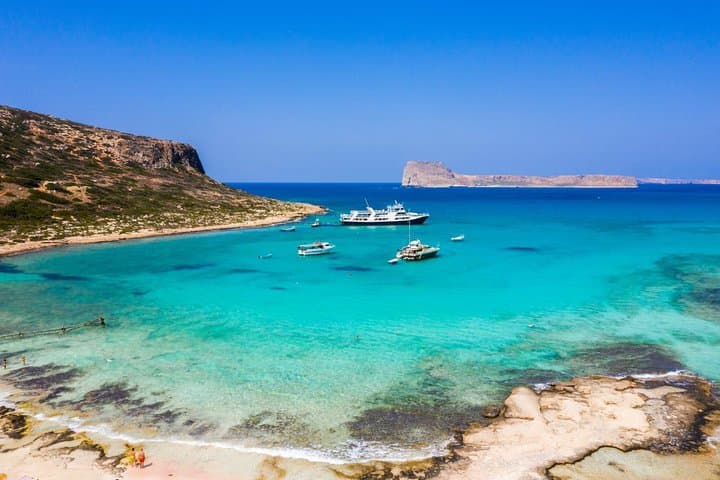
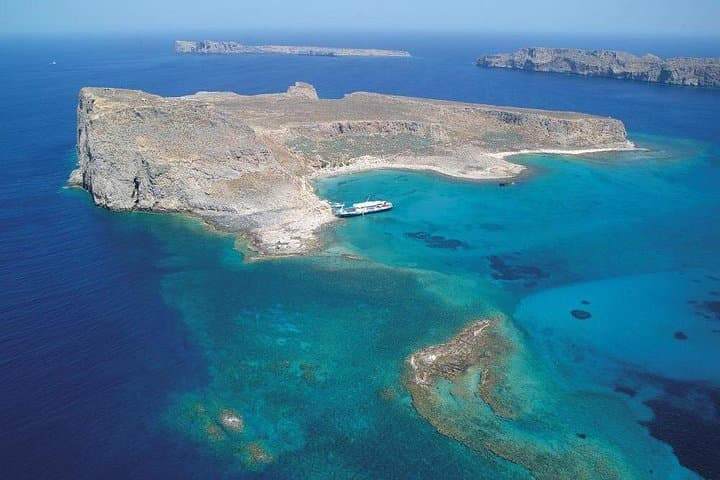
A turquoise horizon opens as the boat slips away from Kissamos harbor, salt-slick air pushing at your face and the profile of Gramvousa rising ahead—a sheer cliff crowned by a weathered Venetian castle.
A turquoise horizon opens as the boat slips away from Kissamos harbor, salt-slick air pushing at your face and the profile of Gramvousa rising ahead—a sheer cliff crowned by a weathered Venetian castle.
The trip reads like a compressed history of western Crete: Venetian fortifications, Ottoman-era raids, and a brief chapter where rebels-turned-pirates used Gramvousa as a wartime base during the 19th-century Revolution. Geology here is dramatic—limestone and flysch cliffs have been tilted and folded so the western shore can sit several meters higher than it did centuries ago, producing sheer escarpments and shallow, jade-colored lagoons at Balos.
Balos’s shallow, warm water and whitish sand create Caribbean-like colors; its shallow seabed supports Posidonia seagrass beds, an essential nursery for fish and a foraging area for loggerhead turtles. Visitors often spot dolphins and, more rarely, Mediterranean monk seals on rocky ledges—wildlife that gives the place a fragile, protected feel.
Practical side: expect a long day (boat crossings plus time ashore can fill 12–14 hours). The castle climb involves stone steps and loose surfaces; the beach requires a short walk over sand and rocks. Bring water, sun protection, and footwear that can handle both rocks and sand. The tour often includes a multilingual guide and bus transfers from Chania or Rethimno to Kissamos; food is typically optional aboard or pack a light picnic.
Timing is everything—calm seas make the boat ride comfortable and reveal the best colors in the lagoon. Respect marked nesting areas, pack out trash, and plan for a full day to absorb both the scenery and the stories of this rugged Cretan coast.