THE ADVENTURE COLLECTIVE® · Independent discovery and booking for outdoor travel

Spend a full day from Zagreb visiting three of northern Croatia’s most atmospheric sites: the museum‑village of Kumrovec, the hilltop Veliki Tabor and the fairytale Trakošćan with its lake. This private tour combines short castle walks, guided history and scenic drives through Hrvatsko Zagorje.
Spend a full day from Zagreb visiting three of northern Croatia’s most atmospheric sites: the museum‑village of Kumrovec, the hilltop Veliki Tabor and the fairytale Trakošćan with its lake. This private tour combines short castle walks, guided history and scenic drives through Hrvatsko Zagorje.
A morning leaves Zagreb behind and the road tightens into green folds: low hills of Hrvatsko Zagorje rise, vineyards and chestnut copses shifting past the window as the driver-guide points out hamlets. First stop is Kumrovec, the 20th-century museum-village and birthplace of Josip Broz Tito, where streets of preserved wooden houses set a simple, lived-in scene.
Verified experiences and guided adventures in the surrounding area.
Operated by Limitless Balkan · Trakošćan, Krapina-Zagorje County
A morning leaves Zagreb behind and the road tightens into green folds: low hills of Hrvatsko Zagorje rise, vineyards and chestnut copses shifting past the window as the driver-guide points out hamlets. First stop is Kumrovec, the 20th-century museum-village and birthplace of Josip Broz Tito, where streets of preserved wooden houses set a simple, lived-in scene.
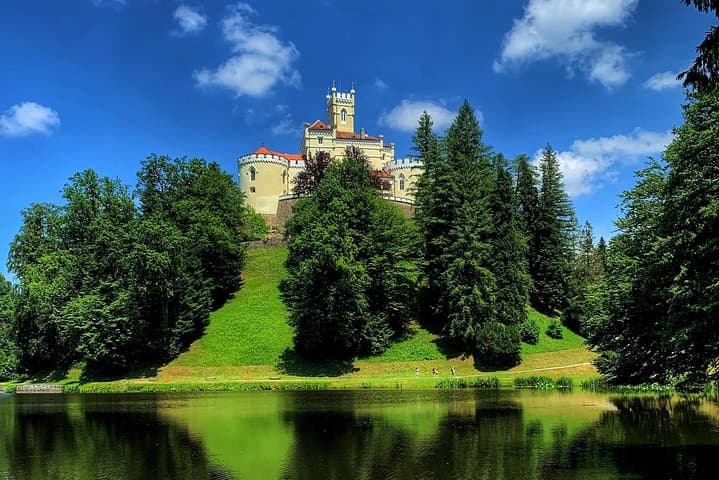
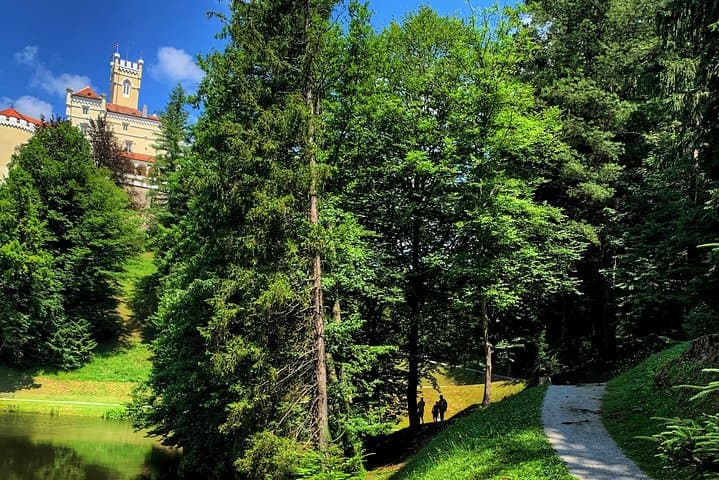
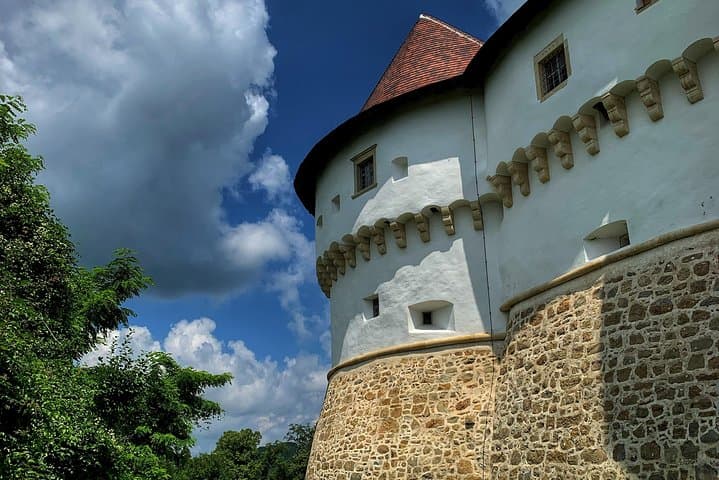
From there the tour threads higher into the medieval geography of northern Croatia. Veliki Tabor crouches on a ridge — a 16th‑century complex with steep stone stairways and narrow ramparts that reward slow inspection. The geology here is rolling, karst-influenced terrain cut by small streams and vineyards; the landscape feels human-scaled, every hill worn by centuries of cultivation. The day finishes at Trakošćan, the postcard castle beside its glacial-origin lake, where mirrored water and forested slopes create a compact natural reserve.
Expect 7–12 hours on the road with multiple short walks: paved village lanes, cobbled castle yards and landscaped park trails at Trakošćan. Admission to museums is generally extra and access to interiors can be limited on Mondays, so plan accordingly. Wear sturdy shoes for cobbles and stairs, carry water and a layer for winds off the lake in the afternoon. Photography windows are frequent — ask your guide for the framed views.
This private itinerary blends cultural history and accessible walking; it’s a pragmatic, scenic option for travelers who want concentrated castle time without long hikes. Start early for softer light and quieter rooms, and keep an eye on seasonal opening hours for interior exhibits.
moderate.
7–12 hours.
Moderate fitness recommended—able to walk 1–2 miles cumulatively with stairs and uneven surfaces.
No — the private tour typically includes transport and guide service, but museum and castle admission fees are paid separately on site.
Expect 7 to 12 hours depending on hotel pickup location, pace at each stop and whether you include interior visits — the operator lists 420–720 minutes.
Yes — pickup and drop-off from selected hotels is offered; the booking form asks for pickup point details.
Partial — exteriors and viewpoints are accessible by car, but castle interiors and some cobbled areas have stairs and uneven surfaces that may limit access for some guests.
Kumrovec preserves traditional 19th–20th century village architecture and is known as the birthplace of Josip Broz Tito; Veliki Tabor and Trakošćan date to the late medieval and early modern periods and reflect regional noble estates.
Trakošćan’s lake and park are managed to protect shoreline habitats; visitors are asked to stay on marked paths and avoid feeding wildlife to minimize disturbance.
Limitless Balkan operates guided outdoor trips and adventures with an emphasis on safety, stewardship, and memorable experiences.
A morning leaves Zagreb behind and the road tightens into green folds: low hills of Hrvatsko Zagorje rise, vineyards and chestnut copses shifting past the window as the driver-guide points out hamlets. First stop is Kumrovec, the 20th-century museum-village and birthplace of Josip Broz Tito, where streets of preserved wooden houses set a simple, lived-in scene.
A morning leaves Zagreb behind and the road tightens into green folds: low hills of Hrvatsko Zagorje rise, vineyards and chestnut copses shifting past the window as the driver-guide points out hamlets. First stop is Kumrovec, the 20th-century museum-village and birthplace of Josip Broz Tito, where streets of preserved wooden houses set a simple, lived-in scene.
From there the tour threads higher into the medieval geography of northern Croatia. Veliki Tabor crouches on a ridge — a 16th‑century complex with steep stone stairways and narrow ramparts that reward slow inspection. The geology here is rolling, karst-influenced terrain cut by small streams and vineyards; the landscape feels human-scaled, every hill worn by centuries of cultivation. The day finishes at Trakošćan, the postcard castle beside its glacial-origin lake, where mirrored water and forested slopes create a compact natural reserve.
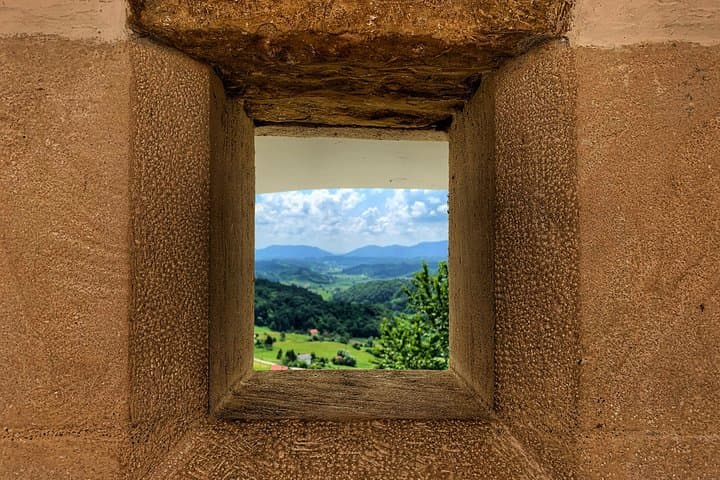
Expect 7–12 hours on the road with multiple short walks: paved village lanes, cobbled castle yards and landscaped park trails at Trakošćan. Admission to museums is generally extra and access to interiors can be limited on Mondays, so plan accordingly. Wear sturdy shoes for cobbles and stairs, carry water and a layer for winds off the lake in the afternoon. Photography windows are frequent — ask your guide for the framed views.
This private itinerary blends cultural history and accessible walking; it’s a pragmatic, scenic option for travelers who want concentrated castle time without long hikes. Start early for softer light and quieter rooms, and keep an eye on seasonal opening hours for interior exhibits.