THE ADVENTURE COLLECTIVE® · Independent discovery and booking for outdoor travel

Spend a long day exploring Yogyakarta’s crown jewels: Borobudur’s terraces at sunrise, the towering spires of Prambanan, and a Jeep run into Merapi’s foothills. This practical guide explains what to expect, how to prepare, and local tips to get the most from the full-day cultural adventure.
Spend a long day exploring Yogyakarta’s crown jewels: Borobudur’s terraces at sunrise, the towering spires of Prambanan, and a Jeep run into Merapi’s foothills. This practical guide explains what to expect, how to prepare, and local tips to get the most from the full-day cultural adventure.
You step out of the air-conditioned van into morning haze and the silhouette of Borobudur rises through steam and rice-field mist — the stone terraces cool under your palms, reliefs telling stories carved a thousand years ago. The day moves with purpose: Buddhist stupas give way to the soaring towers of Prambanan, then to the ash-scattered foothills of Mount Merapi where a jeep ride pushes you along lava-broken trails and the mountain watches with a restless presence.
Verified experiences and guided adventures in the surrounding area.
Operated by JAVA BALI TRIPS · Yogyakarta, Special Region of Yogyakarta
You step out of the air-conditioned van into morning haze and the silhouette of Borobudur rises through steam and rice-field mist — the stone terraces cool under your palms, reliefs telling stories carved a thousand years ago. The day moves with purpose: Buddhist stupas give way to the soaring towers of Prambanan, then to the ash-scattered foothills of Mount Merapi where a jeep ride pushes you along lava-broken trails and the mountain watches with a restless presence.
Borobudur and Prambanan date to the 9th century, products of competing Hindu and Buddhist kingdoms whose stonework maps Javanese cosmology. Geologically, Merapi is one of the most active stratovolcanoes in Indonesia (summit ~2,930 m); its eruptions have repeatedly reshaped local settlements and fertile soils. Culturally, Yogyakarta remains a living center for batik, gamelan, and temple rituals — local guides often point out stories in the reliefs or village workshops you’d otherwise miss.
Practicalities: this is a full-day private tour (about 10–12 hours) with hotel pickup, lunch and bottled water provided; entrance fees and optional Merapi jeep rides are typically purchased on site. Expect a lot of on-foot exploring across uneven stone and dusty tracks — comfortable walking shoes, sun protection and modest clothing for temple visits are essential. Start early for cooler light at Borobudur, carry local cash for extra fees, and follow your guide’s instructions around Merapi: volcanic conditions change, and guides track advisories daily.
easy.
10–12 hours.
Suitable for most fitness levels — expect several hours of walking on uneven stone and brief off-road jeep rides; light stamina recommended.
Entrance fees are typically not included in this morning-to-evening tour and are purchased on site; bring cash or confirm with the operator before departure.
The jeep excursion is often optional and paid locally — check the booking details and bring local currency if you want to add the jeep experience.
The tour lists wheelchair and stroller accessibility for transport, but temple grounds include uneven steps and paths; discuss mobility needs with the operator to confirm suitability and alternatives.
The dry season (June–August) offers the most stable weather and clearer volcano visibility; the wet season (Dec–Feb) can bring heavy rain that affects visibility and trail conditions.
Borobudur and Prambanan were built in the 8th–9th centuries by competing Javanese dynasties; Merapi’s eruptions have influenced settlement patterns and spiritual life for centuries.
These archaeological sites are actively managed for preservation; minimize impact by staying on marked paths, avoiding flash photography in restricted areas, and supporting local guides and conservation fees.
JAVA BALI TRIPS operates guided outdoor trips and adventures with an emphasis on safety, stewardship, and memorable experiences.
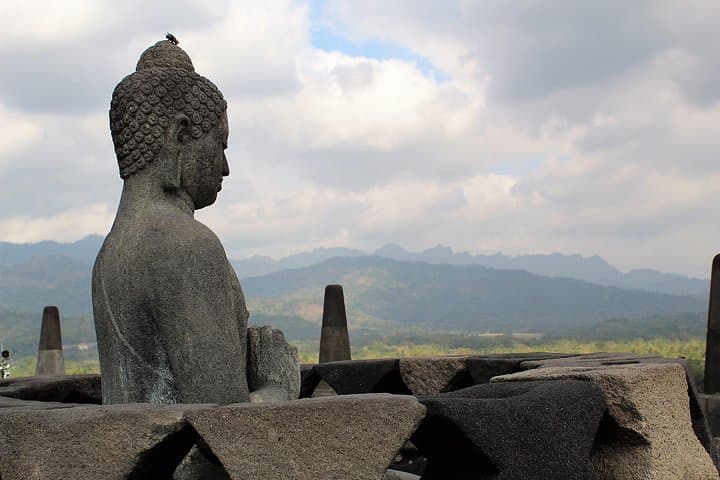
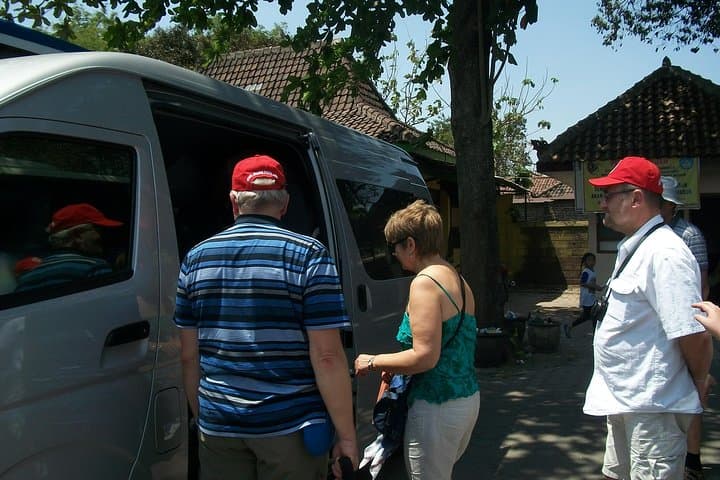
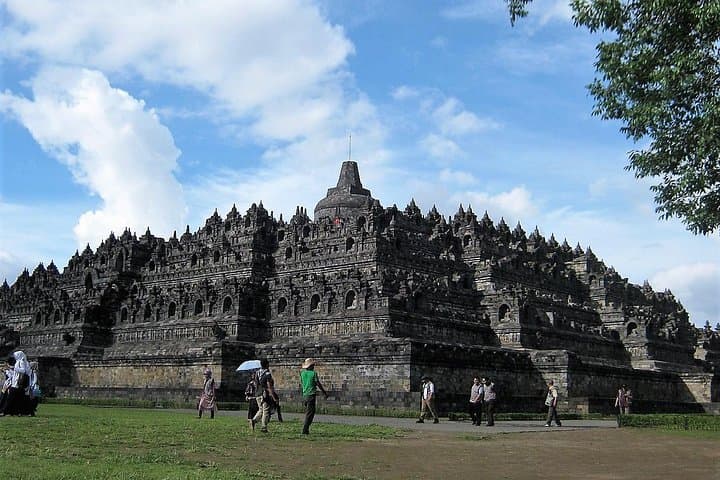
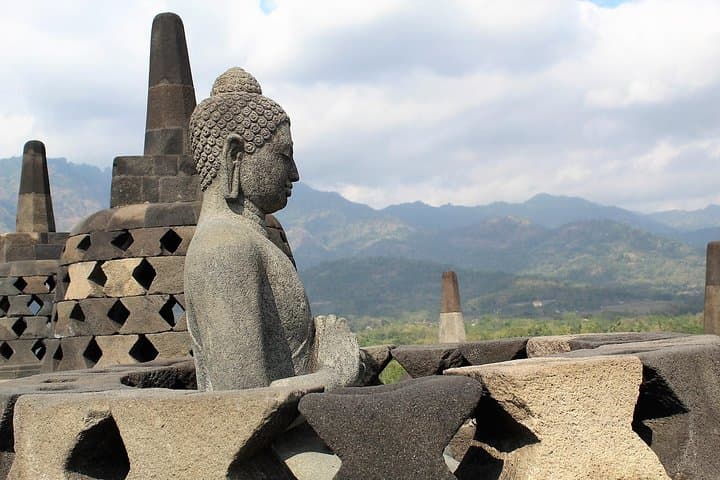
You step out of the air-conditioned van into morning haze and the silhouette of Borobudur rises through steam and rice-field mist — the stone terraces cool under your palms, reliefs telling stories carved a thousand years ago. The day moves with purpose: Buddhist stupas give way to the soaring towers of Prambanan, then to the ash-scattered foothills of Mount Merapi where a jeep ride pushes you along lava-broken trails and the mountain watches with a restless presence.
You step out of the air-conditioned van into morning haze and the silhouette of Borobudur rises through steam and rice-field mist — the stone terraces cool under your palms, reliefs telling stories carved a thousand years ago. The day moves with purpose: Buddhist stupas give way to the soaring towers of Prambanan, then to the ash-scattered foothills of Mount Merapi where a jeep ride pushes you along lava-broken trails and the mountain watches with a restless presence.
Borobudur and Prambanan date to the 9th century, products of competing Hindu and Buddhist kingdoms whose stonework maps Javanese cosmology. Geologically, Merapi is one of the most active stratovolcanoes in Indonesia (summit ~2,930 m); its eruptions have repeatedly reshaped local settlements and fertile soils. Culturally, Yogyakarta remains a living center for batik, gamelan, and temple rituals — local guides often point out stories in the reliefs or village workshops you’d otherwise miss.
Practicalities: this is a full-day private tour (about 10–12 hours) with hotel pickup, lunch and bottled water provided; entrance fees and optional Merapi jeep rides are typically purchased on site. Expect a lot of on-foot exploring across uneven stone and dusty tracks — comfortable walking shoes, sun protection and modest clothing for temple visits are essential. Start early for cooler light at Borobudur, carry local cash for extra fees, and follow your guide’s instructions around Merapi: volcanic conditions change, and guides track advisories daily.