THE ADVENTURE COLLECTIVE® · Independent discovery and booking for outdoor travel

This private full-day Ubud tour pairs artisan villages and cultural sites with nature highlights — from batik workshops and silver smiths to Tegallalang’s rice terraces, a waterfall, and the iconic rice-terrace swing. Read on for what to expect, practical tips, and local insights.
This private full-day Ubud tour pairs artisan villages and cultural sites with nature highlights — from batik workshops and silver smiths to Tegallalang’s rice terraces, a waterfall, and the iconic rice-terrace swing. Read on for what to expect, practical tips, and local insights.
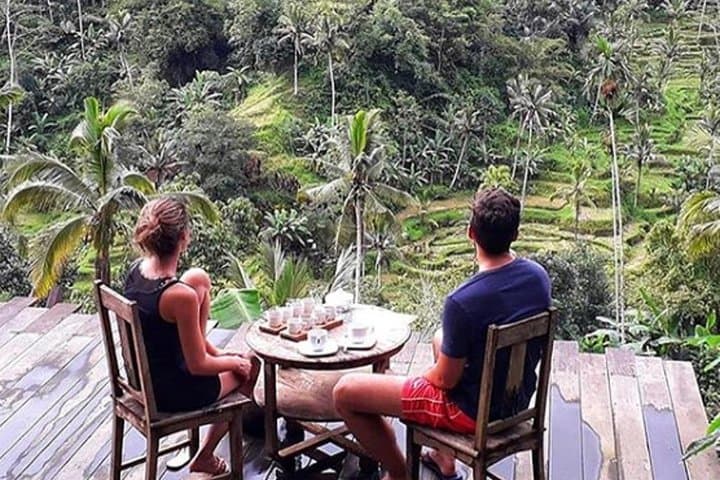
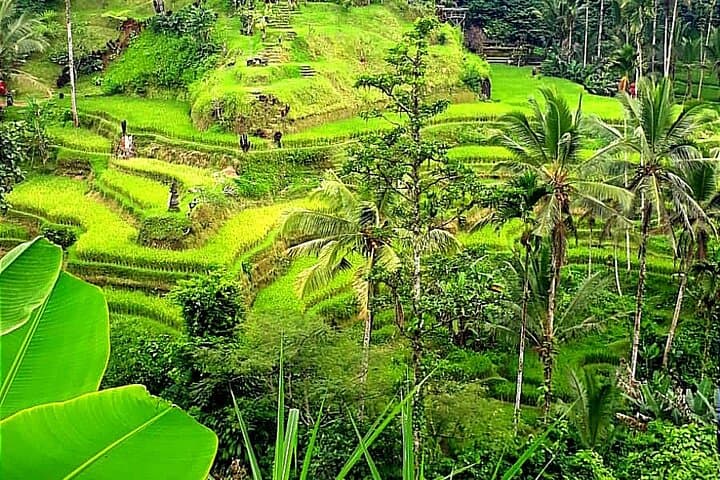
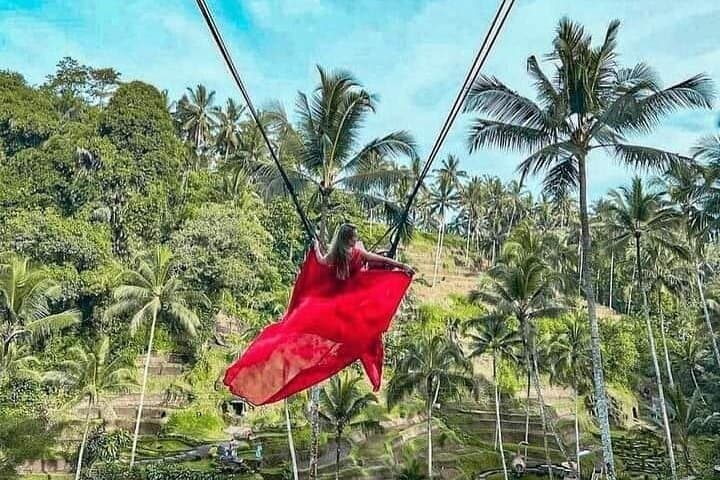
Morning light slices through palm fronds as your driver slips out of Ubud and onto narrow village lanes. You arrive at a hill where terraces descend like green steps; the swing waits, a simple plank that lets the valley’s breeze dare you outward while rice paddies shift color below.
Verified experiences and guided adventures in the surrounding area.
Operated by Aman Bali Driver · Ubud, Bali
Morning light slices through palm fronds as your driver slips out of Ubud and onto narrow village lanes. You arrive at a hill where terraces descend like green steps; the swing waits, a simple plank that lets the valley’s breeze dare you outward while rice paddies shift color below.
This full-day tour stitches together Ubud’s craft history and landscape. Centuries-old techniques — hand-drawn batik, silver-smithing in Celuk, and wood carving in Mas — sit alongside volcanic soils that feed Bali’s famous rice terraces. Tegallalang’s contour terraces are part of the Subak irrigation system, an agricultural practice developed by local communities and recognized by UNESCO for its cultural management of water.
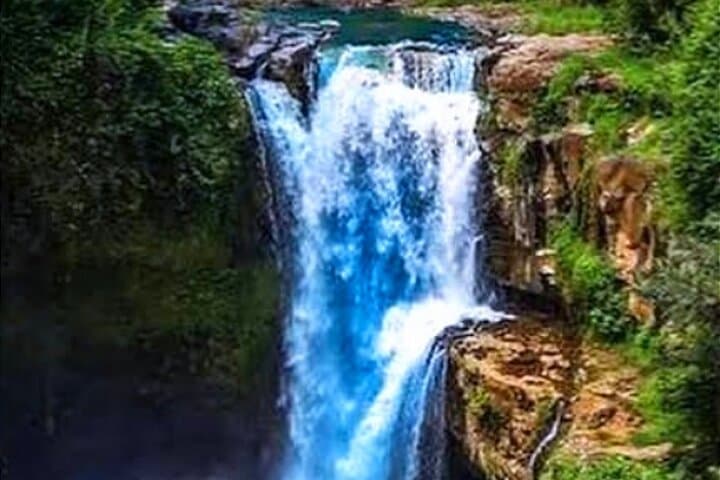
You’ll pass a small temple complex with ornate stone reliefs, and a waterfall whose current insists you slow down; some visitors choose to wade, others to watch from the mossy rim. A stop at a luwak coffee plantation explains how kopi luwak is produced and why it’s controversial, while local cafés offer the photo spots that fuel Ubud’s travel photos.
Practical side: this is a long day (10–12 hours) with multiple short walks and some uneven stone steps. Wear shoes with grip, bring sun and rain protection, and carry local currency for small purchases and tips. The itinerary is private and largely accessible, but expect narrow village paths and occasional steep steps at viewpoints. Start early to avoid heat and mid-day crowds; late afternoon light is best for photos on the terraces. Respect temple dress codes — a sarong or waist-covering and quiet demeanour go a long way.
Yes—this private tour includes hotel pickup and drop-off in central Ubud, typically by air-conditioned vehicle.
Yes—the swing is optional and there are safe vantage points and cafés for photos if you prefer to stay grounded.
The tour lists all entrance fees and a coffee plantation visit as included; confirm details with the operator before booking.
The itinerary notes it’s suitable for all fitness levels, but some sites have steps and narrow paths; discuss specific mobility needs when booking.
Aman Bali Driver operates guided outdoor trips and adventures with an emphasis on safety, stewardship, and memorable experiences.
Morning light slices through palm fronds as your driver slips out of Ubud and onto narrow village lanes. You arrive at a hill where terraces descend like green steps; the swing waits, a simple plank that lets the valley’s breeze dare you outward while rice paddies shift color below.
Morning light slices through palm fronds as your driver slips out of Ubud and onto narrow village lanes. You arrive at a hill where terraces descend like green steps; the swing waits, a simple plank that lets the valley’s breeze dare you outward while rice paddies shift color below.
This full-day tour stitches together Ubud’s craft history and landscape. Centuries-old techniques — hand-drawn batik, silver-smithing in Celuk, and wood carving in Mas — sit alongside volcanic soils that feed Bali’s famous rice terraces. Tegallalang’s contour terraces are part of the Subak irrigation system, an agricultural practice developed by local communities and recognized by UNESCO for its cultural management of water.
You’ll pass a small temple complex with ornate stone reliefs, and a waterfall whose current insists you slow down; some visitors choose to wade, others to watch from the mossy rim. A stop at a luwak coffee plantation explains how kopi luwak is produced and why it’s controversial, while local cafés offer the photo spots that fuel Ubud’s travel photos.
Practical side: this is a long day (10–12 hours) with multiple short walks and some uneven stone steps. Wear shoes with grip, bring sun and rain protection, and carry local currency for small purchases and tips. The itinerary is private and largely accessible, but expect narrow village paths and occasional steep steps at viewpoints. Start early to avoid heat and mid-day crowds; late afternoon light is best for photos on the terraces. Respect temple dress codes — a sarong or waist-covering and quiet demeanour go a long way.