THE ADVENTURE COLLECTIVE® · Independent discovery and booking for outdoor travel

Spend a full day tracing Georgia’s layered past from Tbilisi: UNESCO-listed Mtskheta, the controversial Stalin Museum in Gori, and the cliff-carved city of Uplistsikhe. This private tour combines easy walking, dramatic geology, and accessible cultural sites.
Spend a full day tracing Georgia’s layered past from Tbilisi: UNESCO-listed Mtskheta, the controversial Stalin Museum in Gori, and the cliff-carved city of Uplistsikhe. This private tour combines easy walking, dramatic geology, and accessible cultural sites.
You turn out of Tbilisi and the road unfurls—vineyards and terraced fields sliding past as the Kura (Mtkvari) river dares you to look away. Within an hour the skyline changes: low hills, a white-steepled cathedral atop a promontory, and the compact stone town of Mtskheta appearing like a page from Georgia’s early chronicles.
Verified experiences and guided adventures in the surrounding area.
Operated by Tripify · Tbilisi, Tbilisi
You turn out of Tbilisi and the road unfurls—vineyards and terraced fields sliding past as the Kura (Mtkvari) river dares you to look away. Within an hour the skyline changes: low hills, a white-steepled cathedral atop a promontory, and the compact stone town of Mtskheta appearing like a page from Georgia’s early chronicles.
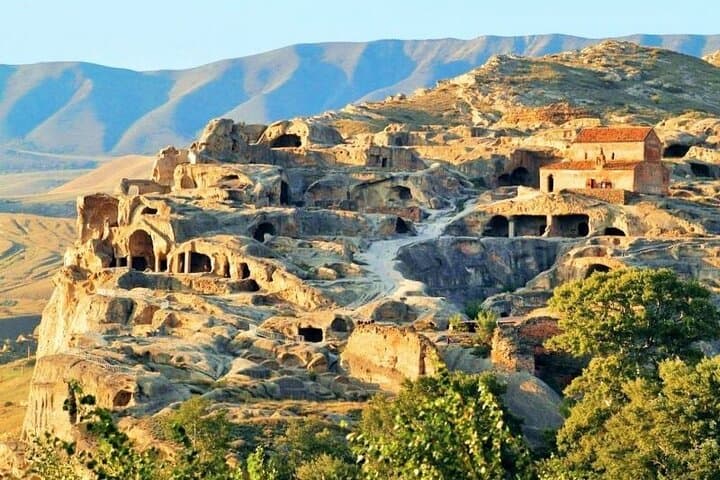
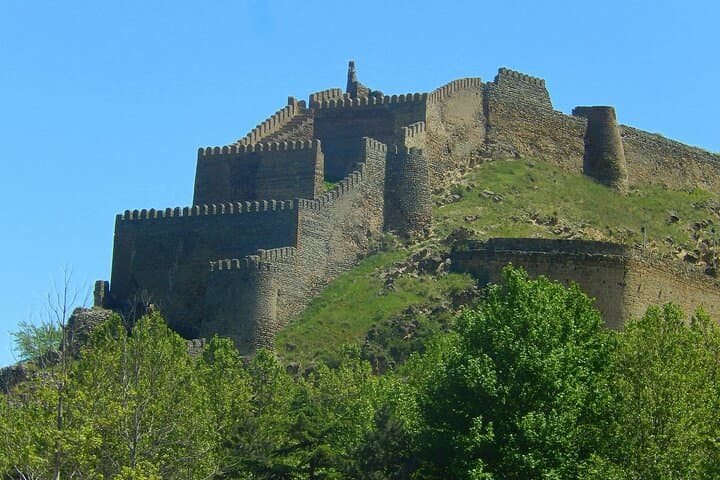
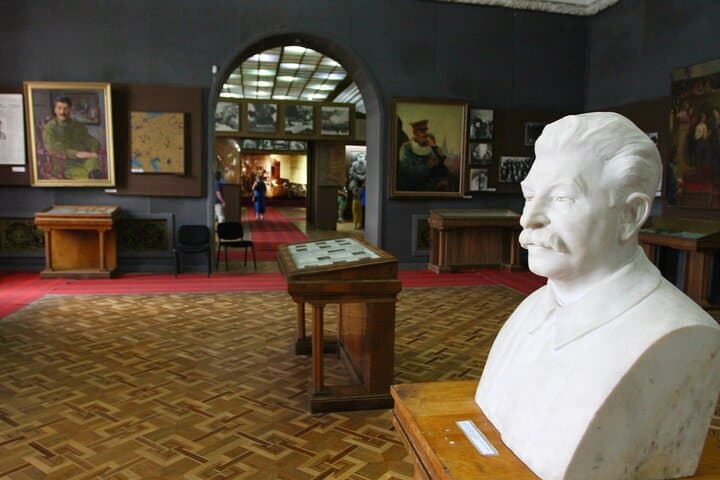
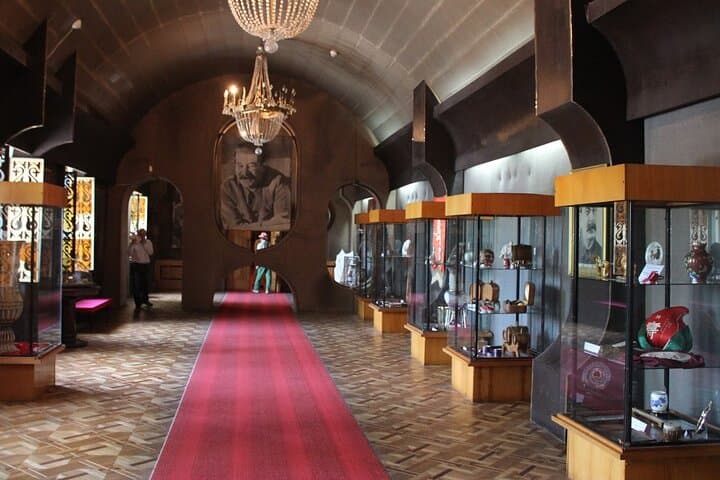
Mtskheta was the spiritual heart of early Iberia and its Svetitskhoveli Cathedral, a UNESCO site, holds layers of history in carved stone and frescoed interiors. Further east, Gori shifts the tone: a Soviet-era town where the Stalin Museum catalogs personal artifacts and political myth, and the fortress on the rock recalls medieval strategic fights for Shida Kartli. Uplistsikhe closes the loop—an ancient rock-hewn town where streets, cisterns and a hidden tunnel to the river expose human ingenuity carved into sandstone.
Geology is visible in the cave dwellings and the weathered fortress rock; culture shows up in roadside wine cellars and the omnipresent supra (feast) ethic. Expect venal winds across exposed ridges and sheltered courtyards under chestnut trees.
Practically: this private day tour runs about 7–8 hours with air-conditioned transport and multiple short walks—some uneven stone and carved steps at Uplistsikhe. Bring sturdy shoes, sun protection, and a light layer for hilltop breezes. Guides typically recommend modest dress for religious sites and small local-currency bills for entry fees, snacks, and vendors. The route is compact but rich—history, geology, and the human stories that shaped modern Georgia.
easy.
7–8 hours.
Suitable for most fitness levels; requires standing and short uphill walks on uneven terrain.
The tour lasts about 7–8 hours (approximately 420–480 minutes) with stops of roughly two hours each at Mtskheta, Gori, and Uplistsikhe; pickup and drop-off in Tbilisi are included.
Admission to museums and archaeological sites is typically not included—bring local currency for ticket purchases where required.
Yes; the tour is marked physically easy but infants must sit on an adult’s lap in vehicles and caregivers should supervise near steep drops at ruins.
Yes; private pickup from any Tbilisi location is offered—confirm pickup point and time when booking.
Mtskheta served as the capital of the early Georgian kingdom of Iberia and remained a religious center; Uplistsikhe dates back to proto-urban settlement phases of the first millennium BC.
These sites are protected as cultural monuments—stay on marked paths, avoid climbing fragile carvings, and minimize single-use plastics to reduce visitor impact.
Tripify operates guided outdoor trips and adventures with an emphasis on safety, stewardship, and memorable experiences.
You turn out of Tbilisi and the road unfurls—vineyards and terraced fields sliding past as the Kura (Mtkvari) river dares you to look away. Within an hour the skyline changes: low hills, a white-steepled cathedral atop a promontory, and the compact stone town of Mtskheta appearing like a page from Georgia’s early chronicles.
You turn out of Tbilisi and the road unfurls—vineyards and terraced fields sliding past as the Kura (Mtkvari) river dares you to look away. Within an hour the skyline changes: low hills, a white-steepled cathedral atop a promontory, and the compact stone town of Mtskheta appearing like a page from Georgia’s early chronicles.
Mtskheta was the spiritual heart of early Iberia and its Svetitskhoveli Cathedral, a UNESCO site, holds layers of history in carved stone and frescoed interiors. Further east, Gori shifts the tone: a Soviet-era town where the Stalin Museum catalogs personal artifacts and political myth, and the fortress on the rock recalls medieval strategic fights for Shida Kartli. Uplistsikhe closes the loop—an ancient rock-hewn town where streets, cisterns and a hidden tunnel to the river expose human ingenuity carved into sandstone.
Geology is visible in the cave dwellings and the weathered fortress rock; culture shows up in roadside wine cellars and the omnipresent supra (feast) ethic. Expect venal winds across exposed ridges and sheltered courtyards under chestnut trees.
Practically: this private day tour runs about 7–8 hours with air-conditioned transport and multiple short walks—some uneven stone and carved steps at Uplistsikhe. Bring sturdy shoes, sun protection, and a light layer for hilltop breezes. Guides typically recommend modest dress for religious sites and small local-currency bills for entry fees, snacks, and vendors. The route is compact but rich—history, geology, and the human stories that shaped modern Georgia.