THE ADVENTURE COLLECTIVE® · Independent discovery and booking for outdoor travel

Cross the Debed River valley on a full-day cultural drive from Tbilisi to northern Armenia. Visit Akhtala fortress and the UNESCO-listed Haghpat and Sanahin monasteries, with time for regional food and local museums.
Cross the Debed River valley on a full-day cultural drive from Tbilisi to northern Armenia. Visit Akhtala fortress and the UNESCO-listed Haghpat and Sanahin monasteries, with time for regional food and local museums.
On a clear morning the minibus slips out of Tbilisi and follows the Debed River valley toward Armenia, the road tightening as cliffs rise and villages lean into the gorge. The tour unfolds as a sequence of stone and sky: a wartime monument outside Georgia, the honey-colored masonry of Akhtala fortress, and the hush inside centuries-old monastic courtyards.
Verified experiences and guided adventures in the surrounding area.
Operated by Rustaveli Agency · Alaverdi, Lori Province
On a clear morning the minibus slips out of Tbilisi and follows the Debed River valley toward Armenia, the road tightening as cliffs rise and villages lean into the gorge. The tour unfolds as a sequence of stone and sky: a wartime monument outside Georgia, the honey-colored masonry of Akhtala fortress, and the hush inside centuries-old monastic courtyards.
These monasteries—Haghpat and Sanahin—date to the 10th–13th centuries and reflect Armenian medieval architecture with ornate stone carvings, khachkars, and fresco fragments that survived mountain weather and empires. The geology of the Debed Canyon frames the visit: layered volcanic basalts and river-cut terraces that have guided settlement patterns and trade routes for a millennium. Local life threads through the itinerary—small-town Alaverdi’s bakery ovens and cellar wines underscore shared Georgian and Armenian culinary traditions.
Practical guidance centers on logistics: this is a long, full-day trip (roughly 11 hours) that includes a border crossing—carry passport and check visa requirements in advance. Expect several short walks on uneven stone steps and grassy slopes; allow extra time for photography and modest museum stops. Pack water, wear sturdy shoes, and layer for variable mountain sun and wind. Lunch is a regional tasting—plan for local ingredients and set meal options rather than strict dietary customization.
The route rewards deliberate pacing: take time at cloister corners to read inscriptions, stand at fortress parapets to feel the canyon wind, and leave room in your schedule for a slow cup of tea in Alaverdi before the return to Tbilisi.
moderate.
11 hours.
Moderate fitness—able to manage several short walks on uneven terrain and multiple stair climbs throughout the day.
Visa requirements depend on nationality—EU and Russian citizens often have visa-free access, but travelers should verify their eligibility before booking as the operator does not assume responsibility for denied entry.
Each monastery and fortress involves short to moderate walks on uneven stone surfaces and steps; most stops are 60–120 minutes with options to rest if needed.
A regional lunch is included; while typical Georgian and Armenian dishes are offered, notify dietary restrictions at booking—options may be limited in smaller towns.
Infants must sit on laps; the tour is not recommended for pregnant travelers or those with serious heart conditions due to long driving times and limited medical facilities en route.
Haghpat and Sanahin are 10th–13th-century monasteries that illustrate medieval Armenian monastic life and stone-carving traditions; the region sat at crossroads between Georgian and Armenian kingdoms.
These UNESCO and regional sites are sensitive to foot traffic—stick to marked paths and avoid touching fragile stone carvings; support local guides and small businesses to sustain community-based tourism.
Rustaveli Agency operates guided outdoor trips and adventures with an emphasis on safety, stewardship, and memorable experiences.
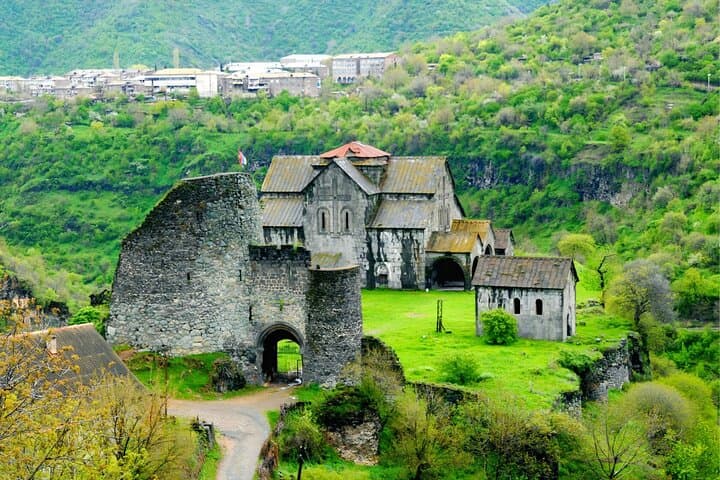
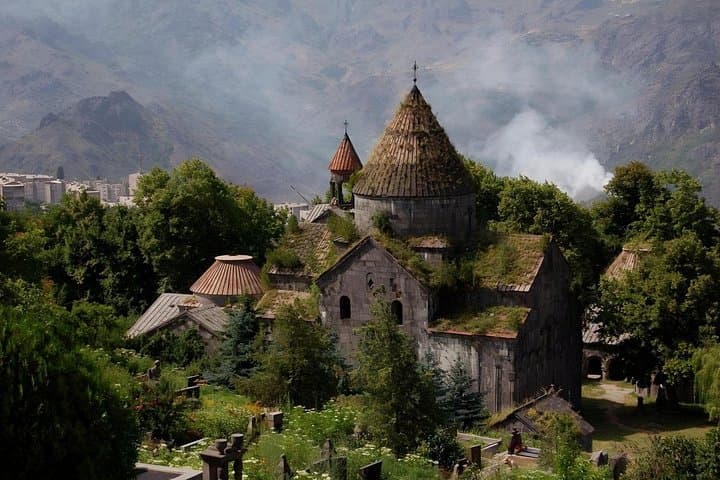
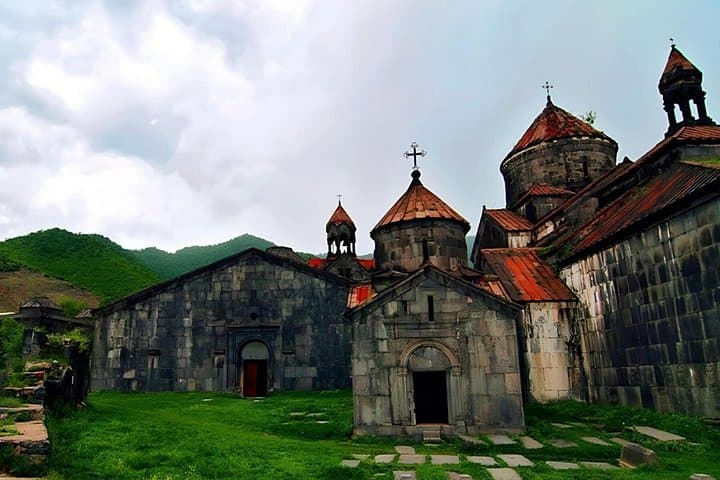
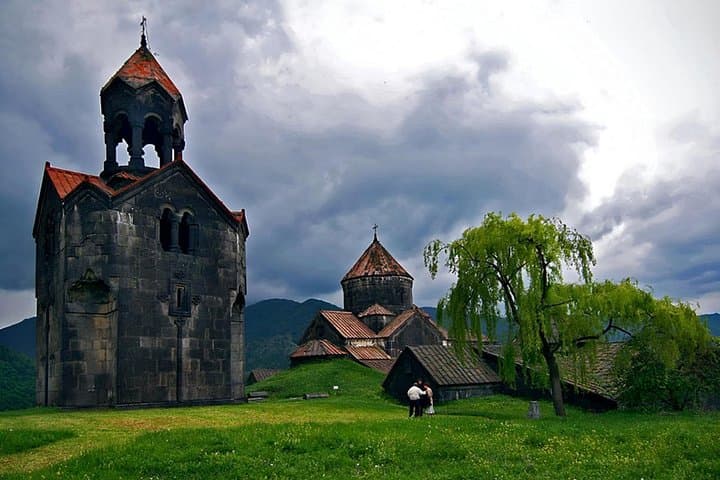
On a clear morning the minibus slips out of Tbilisi and follows the Debed River valley toward Armenia, the road tightening as cliffs rise and villages lean into the gorge. The tour unfolds as a sequence of stone and sky: a wartime monument outside Georgia, the honey-colored masonry of Akhtala fortress, and the hush inside centuries-old monastic courtyards.
On a clear morning the minibus slips out of Tbilisi and follows the Debed River valley toward Armenia, the road tightening as cliffs rise and villages lean into the gorge. The tour unfolds as a sequence of stone and sky: a wartime monument outside Georgia, the honey-colored masonry of Akhtala fortress, and the hush inside centuries-old monastic courtyards.
These monasteries—Haghpat and Sanahin—date to the 10th–13th centuries and reflect Armenian medieval architecture with ornate stone carvings, khachkars, and fresco fragments that survived mountain weather and empires. The geology of the Debed Canyon frames the visit: layered volcanic basalts and river-cut terraces that have guided settlement patterns and trade routes for a millennium. Local life threads through the itinerary—small-town Alaverdi’s bakery ovens and cellar wines underscore shared Georgian and Armenian culinary traditions.
Practical guidance centers on logistics: this is a long, full-day trip (roughly 11 hours) that includes a border crossing—carry passport and check visa requirements in advance. Expect several short walks on uneven stone steps and grassy slopes; allow extra time for photography and modest museum stops. Pack water, wear sturdy shoes, and layer for variable mountain sun and wind. Lunch is a regional tasting—plan for local ingredients and set meal options rather than strict dietary customization.
The route rewards deliberate pacing: take time at cloister corners to read inscriptions, stand at fortress parapets to feel the canyon wind, and leave room in your schedule for a slow cup of tea in Alaverdi before the return to Tbilisi.