THE ADVENTURE COLLECTIVE® · Independent discovery and booking for outdoor travel

Drive out of Sofia into the Balkan Mountains for a day of limestone cliffs, Thracian silver, medieval forts and a natural bridge. This full-day tour combines short hikes, museum visits and dramatic viewpoints for a broad introduction to Vratsa’s history and landscape.
Drive out of Sofia into the Balkan Mountains for a day of limestone cliffs, Thracian silver, medieval forts and a natural bridge. This full-day tour combines short hikes, museum visits and dramatic viewpoints for a broad introduction to Vratsa’s history and landscape.
You leave Sofia with dawn in the rearview and the Balkan range rising like a promise on the horizon. The road tightens, pines and limestone faces alternate, and by midmorning the Vratsa cliffs loom — sheer gray walls that push wind and birds into dramatic patterns. Rivers dare you near narrow gorges; trails and small roads thread villages that feel paused in time.
Verified experiences and guided adventures in the surrounding area.
Operated by Bulgarian Fairy Tale · Vratsa, Vratsa Province
You leave Sofia with dawn in the rearview and the Balkan range rising like a promise on the horizon. The road tightens, pines and limestone faces alternate, and by midmorning the Vratsa cliffs loom — sheer gray walls that push wind and birds into dramatic patterns. Rivers dare you near narrow gorges; trails and small roads thread villages that feel paused in time.
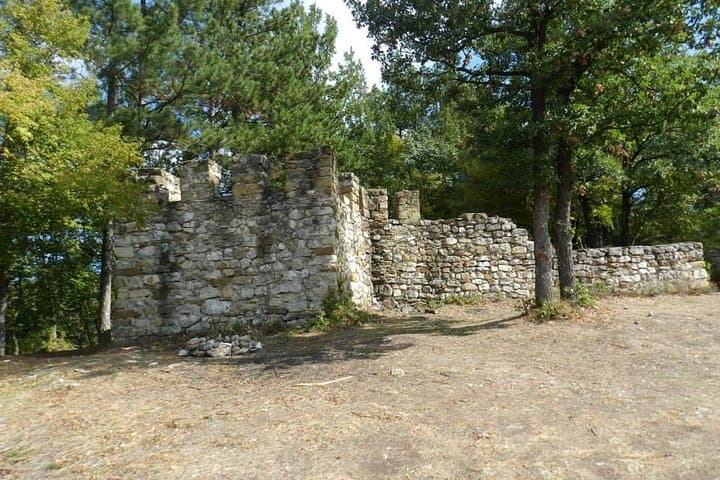
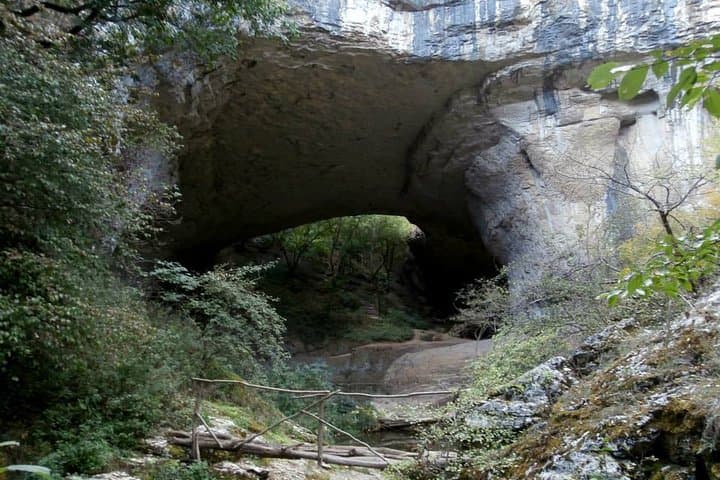
This is a place layered with human stories and geology. Copper-Age finds and Thracian silver say people have moved through these valleys for millennia. Medieval fortresses and Ottoman-era towns bracket the era of the Bulgarian Revival; here, on the heights above the plain, Hristo Botev’s final stand is marked with a monument and a view that explains why battles were fought for this land. The Balkan Mountains are the peninsula’s longest range: limestone karst creates caves, natural bridges and abrupt stone faces — God’s Bridge is one of the region’s most photographed formations.
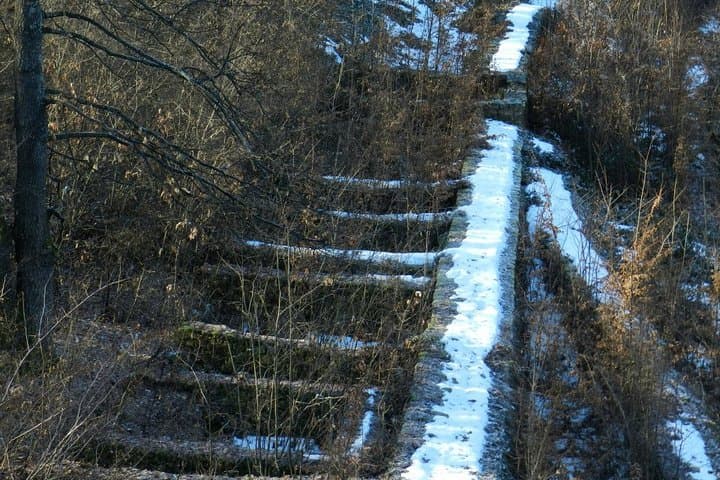
Practically, expect a 10-hour day trip: roughly 1.5–2 hours each way from Sofia (≈110 km), with several short walks, museum stops and a layered climb to viewpoints (some uneven stone and steps). Museum tickets are arranged; carry water, sturdy shoes and a light jacket for exposed ridges. The itinerary fits most fitness levels but is not recommended for travelers with back or spinal issues. Start early to avoid crowds at popular viewpoints, and leave time for the Vratsa History Museum and a short walk to the natural bridge — you’ll come back with geology under your boots and history in your ears.
easy.
10 hours.
Suitable for most travelers in reasonable condition; expect short uphill walks and uneven ground but no technical climbs.
Yes — tickets for the museums visited on the itinerary are handled as part of the tour inclusions.
Plan for about 1.5–2 hours each way (roughly 110 km), depending on traffic and stops along the route.
The supplier notes it is not recommended for travelers with spinal injuries or serious back problems due to short hikes and uneven terrain.
Pickup is arranged from central Sofia meeting points; specific pickup locations are confirmed during booking.
The Vratsa area preserves layers from the Copper Age to Thracian settlements and played a role in the Bulgarian Revival; the Okolchitsa peak marks the place tied to Hristo Botev’s last battle.
Limestone karst and cave systems are fragile — stick to trails, avoid touching formations and support local museums and guides to keep tourism sustainable.
Bulgarian Fairy Tale operates guided outdoor trips and adventures with an emphasis on safety, stewardship, and memorable experiences.
You leave Sofia with dawn in the rearview and the Balkan range rising like a promise on the horizon. The road tightens, pines and limestone faces alternate, and by midmorning the Vratsa cliffs loom — sheer gray walls that push wind and birds into dramatic patterns. Rivers dare you near narrow gorges; trails and small roads thread villages that feel paused in time.
You leave Sofia with dawn in the rearview and the Balkan range rising like a promise on the horizon. The road tightens, pines and limestone faces alternate, and by midmorning the Vratsa cliffs loom — sheer gray walls that push wind and birds into dramatic patterns. Rivers dare you near narrow gorges; trails and small roads thread villages that feel paused in time.
This is a place layered with human stories and geology. Copper-Age finds and Thracian silver say people have moved through these valleys for millennia. Medieval fortresses and Ottoman-era towns bracket the era of the Bulgarian Revival; here, on the heights above the plain, Hristo Botev’s final stand is marked with a monument and a view that explains why battles were fought for this land. The Balkan Mountains are the peninsula’s longest range: limestone karst creates caves, natural bridges and abrupt stone faces — God’s Bridge is one of the region’s most photographed formations.
Practically, expect a 10-hour day trip: roughly 1.5–2 hours each way from Sofia (≈110 km), with several short walks, museum stops and a layered climb to viewpoints (some uneven stone and steps). Museum tickets are arranged; carry water, sturdy shoes and a light jacket for exposed ridges. The itinerary fits most fitness levels but is not recommended for travelers with back or spinal issues. Start early to avoid crowds at popular viewpoints, and leave time for the Vratsa History Museum and a short walk to the natural bridge — you’ll come back with geology under your boots and history in your ears.