THE ADVENTURE COLLECTIVE® · Independent discovery and booking for outdoor travel

Cross a border in a day to see a UNESCO-listed monastery, the brutalist flair of Prishtina, and a rescued-bear sanctuary. This guided trip blends medieval art, modern cityscapes, and wildlife care in one accessible itinerary.
Cross a border in a day to see a UNESCO-listed monastery, the brutalist flair of Prishtina, and a rescued-bear sanctuary. This guided trip blends medieval art, modern cityscapes, and wildlife care in one accessible itinerary.
The morning air in Skopje is cool when the van pulls away from the Museum of the Macedonian Struggle for Independence and the road leans toward Kosovo. Fields and low karst ridges press gently against the highway as the border crossing slides into view; by mid-morning you step into a different rhythm — the hush of a medieval church and the low, curious rumble from a nearby sanctuary.
Verified experiences and guided adventures in the surrounding area.
Operated by Skopje Tours by Inex · Prishtina, Pristina
The morning air in Skopje is cool when the van pulls away from the Museum of the Macedonian Struggle for Independence and the road leans toward Kosovo. Fields and low karst ridges press gently against the highway as the border crossing slides into view; by mid-morning you step into a different rhythm — the hush of a medieval church and the low, curious rumble from a nearby sanctuary.
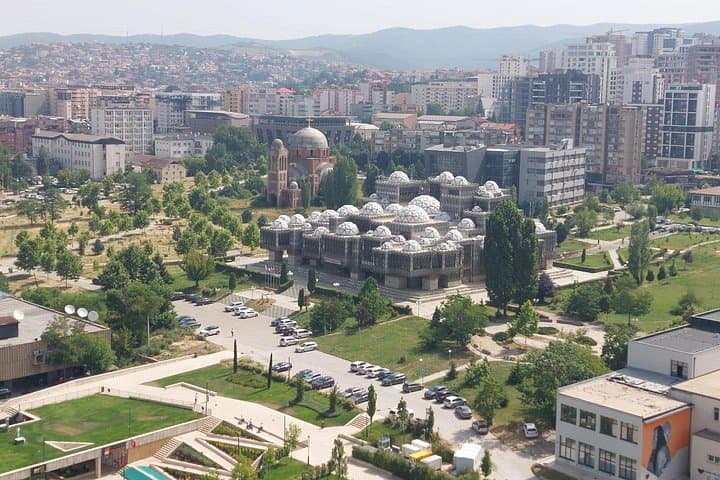
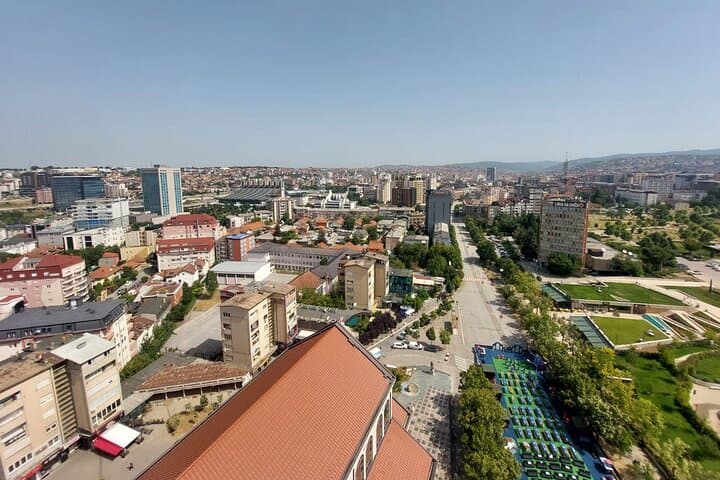
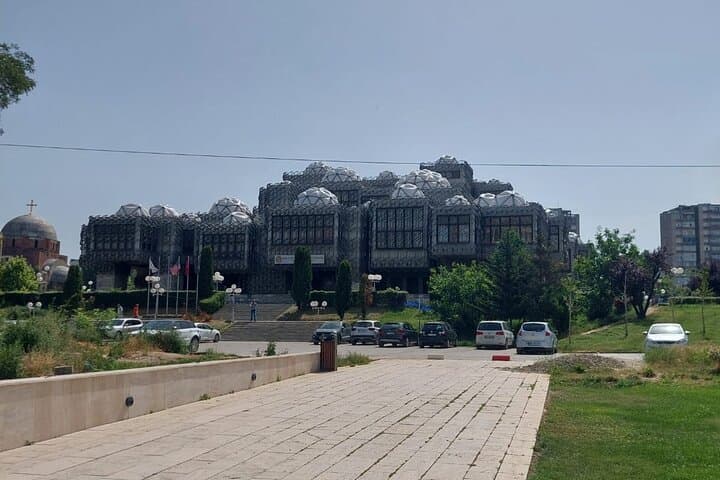
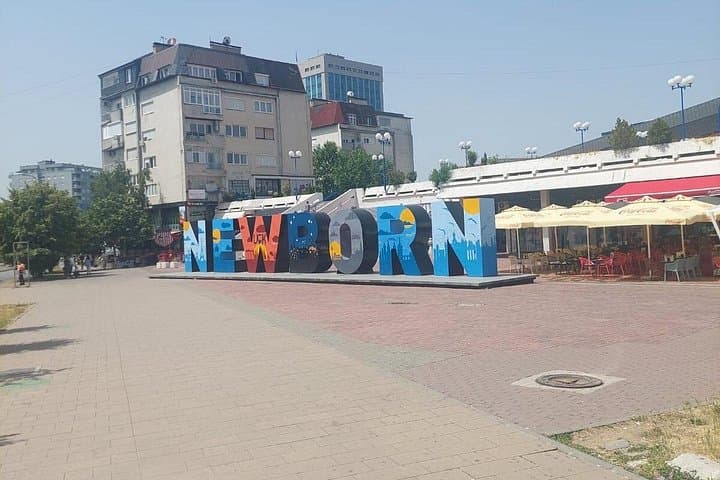
Gracanica Monastery, a 14th-century Serbo-Byzantine jewel, holds frescoes that read like a slow-motion history lesson: saints and scenes painted in pigments that have survived Ottoman rule, war, and time. Prishtina’s concrete geometry follows — the National Library’s lattice-covered domes and the modern lines of the Mother Teresa Cathedral speak to the city’s raw, recent history and its cultural rebirth.
The day finishes on gentler terms at a brown-bear sanctuary just outside the city: rescued animals roaming rewilded enclosures, keepers explaining rehabilitation and the logistics of human-wildlife conflict in the Balkans. Conservation conversations here are as much a part of the visit as the photos.
Practicalities: bring your passport and copies (border controls), expect around 9 hours total, and carry euros for small purchases in Kosovo. Walking is mostly on paved streets with some short uneven sections at the monastery and sanctuary; comfortable shoes and layered clothing are enough. Photography is welcome but follow sanctuary rules and keep distance. An optional stop at a traditional restaurant gives a final taste of Albanian and Serbian-influenced cuisine before the drive back to Skopje.
easy.
9 hours.
Light fitness; able to stand and walk for short urban and uneven-stone segments during tours.
Most EU and many western passports do not require a visa for short visits to Kosovo; always check your nationality’s current entry rules before travel.
Yes, but children should be supervised closely and follow the guide’s directions—viewing is from designated areas at a safe distance.
Lunch is optional; there is an optional stop at a traditional restaurant where you can purchase local dishes.
The guided walk covers key sites like the National Library and Cathedral with time for photos and brief independent exploration within the allotted stop.
Gracanica Monastery dates to the 14th century and is a notable example of medieval Serbian Orthodox architecture; Prishtina’s built environment reflects Ottoman, Yugoslav, and post-1999 influences.
The sanctuary focuses on rehabilitation and education to reduce human–bear conflict; visitors support funding and awareness but should adhere to onsite rules to minimize disturbance.
Skopje Tours by Inex operates guided outdoor trips and adventures with an emphasis on safety, stewardship, and memorable experiences.
The morning air in Skopje is cool when the van pulls away from the Museum of the Macedonian Struggle for Independence and the road leans toward Kosovo. Fields and low karst ridges press gently against the highway as the border crossing slides into view; by mid-morning you step into a different rhythm — the hush of a medieval church and the low, curious rumble from a nearby sanctuary.
The morning air in Skopje is cool when the van pulls away from the Museum of the Macedonian Struggle for Independence and the road leans toward Kosovo. Fields and low karst ridges press gently against the highway as the border crossing slides into view; by mid-morning you step into a different rhythm — the hush of a medieval church and the low, curious rumble from a nearby sanctuary.
Gracanica Monastery, a 14th-century Serbo-Byzantine jewel, holds frescoes that read like a slow-motion history lesson: saints and scenes painted in pigments that have survived Ottoman rule, war, and time. Prishtina’s concrete geometry follows — the National Library’s lattice-covered domes and the modern lines of the Mother Teresa Cathedral speak to the city’s raw, recent history and its cultural rebirth.
The day finishes on gentler terms at a brown-bear sanctuary just outside the city: rescued animals roaming rewilded enclosures, keepers explaining rehabilitation and the logistics of human-wildlife conflict in the Balkans. Conservation conversations here are as much a part of the visit as the photos.
Practicalities: bring your passport and copies (border controls), expect around 9 hours total, and carry euros for small purchases in Kosovo. Walking is mostly on paved streets with some short uneven sections at the monastery and sanctuary; comfortable shoes and layered clothing are enough. Photography is welcome but follow sanctuary rules and keep distance. An optional stop at a traditional restaurant gives a final taste of Albanian and Serbian-influenced cuisine before the drive back to Skopje.