THE ADVENTURE COLLECTIVE® · Independent discovery and booking for outdoor travel

Make a long but rewarding day trip from Sharm El Sheikh to Cairo to see the Grand Egyptian Museum, the Giza pyramids and the Great Sphinx. Expect extended coach travel, expert-led site tours, and hands-on cultural stops like a papyrus workshop.
Make a long but rewarding day trip from Sharm El Sheikh to Cairo to see the Grand Egyptian Museum, the Giza pyramids and the Great Sphinx. Expect extended coach travel, expert-led site tours, and hands-on cultural stops like a papyrus workshop.
You step onto the minibus before dawn; headlights cut through Sinai night as the Red Sea recedes behind you and the road unfurls toward the Nile. The ride is long—roughly seven hours each way—but it’s a corridor of shifting desert light that prepares you for sudden encounters with extraordinary human history.
Verified experiences and guided adventures in the surrounding area.
Operated by Turbo Hurghada Tours · Giza, Giza Governorate
You step onto the minibus before dawn; headlights cut through Sinai night as the Red Sea recedes behind you and the road unfurls toward the Nile. The ride is long—roughly seven hours each way—but it’s a corridor of shifting desert light that prepares you for sudden encounters with extraordinary human history.
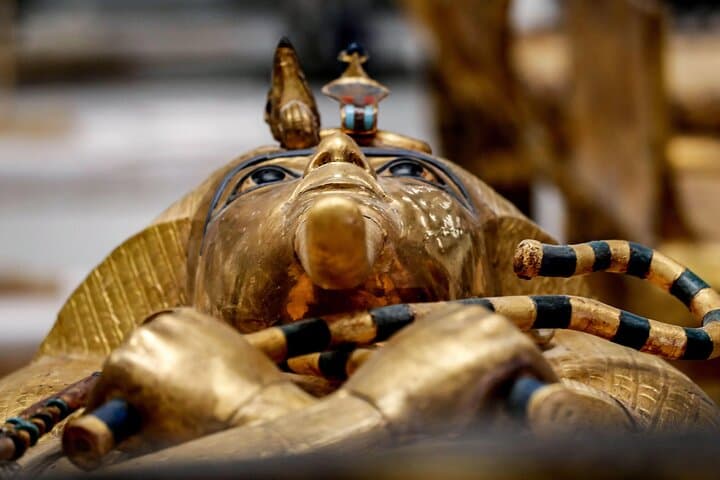
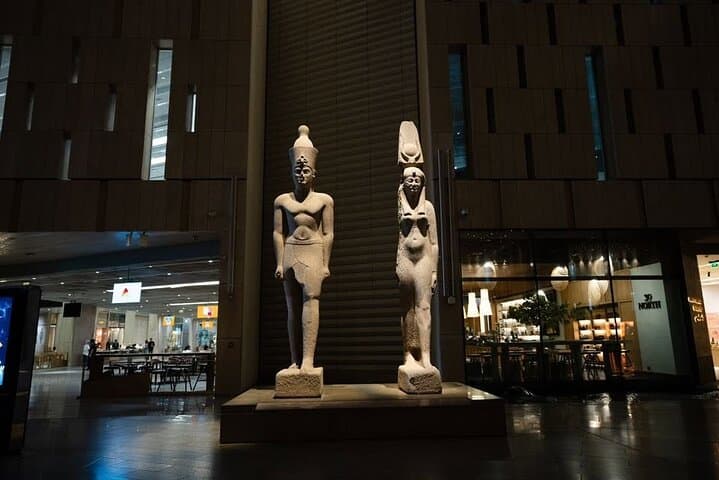
In Cairo, geology gives way to engineered stone: the Giza Plateau is a wind-sculpted limestone stage where three pyramids rise like engineered mountains and the Sphinx watches the horizon. The New Grand Egyptian Museum, nearby, gathers millennia of artifacts—from prehistoric flint to Tutankhamun’s funerary objects—under one modern roof, reframing how the ancient city’s craft and faith were organized. A papyrus workshop visit reconnects the exhibits to day-to-day artisan practice; craftsmen demonstrate processes unchanged in form for thousands of years.
Expect granite corridors, dusty sand underfoot, and wide panoramic viewpoints that suit both contemplative pauses and quick photo stops. Cultural notes: bargaining is customary at workshops; an Egyptologist guide will add valuable context on dynasties and construction techniques.
Practical guidance: bring passport and printed tickets, carry at least 2–3 liters of water, and pack sun protection and comfortable shoes for walking on uneven stone and sand. The schedule is tight—plan for early pickup, long stretches seated, and brief but focused site visits. Motion-sickness remedies, layered clothing for cool desert mornings, and a charged phone with offline maps will make the day significantly smoother. This is a full, demanding day of travel rewarded by some of the planet’s clearest connections to ancient human engineering and craft.
easy.
20–22 hours.
Able to sit for extended periods and walk 1–3 miles on uneven, sandy and paved surfaces; suitable for most fitness levels
Yes—Cairo entry admission and New Grand Egyptian Museum entry are listed as included in this tour.
The itinerary schedules about seven hours each way by air-conditioned minibus; expect rest stops along the route.
Yes—lunch at a local restaurant is included; bring snacks for the road sections if you have particular preferences.
Infants must sit on an adult’s lap; the tour is described as suitable for all physical levels but booking requires passenger details and pickup point information.
The Giza pyramids date to the Fourth Dynasty (c. 2600–2500 BCE); the Grand Egyptian Museum consolidates artifacts—many from Tutankhamun’s tomb—into a single modern exhibition space.
High visitor numbers stress fragile stone and artifact conservation; stay on marked paths, avoid touching ancient surfaces, and support certified local workshops rather than unregulated sellers.
Turbo Hurghada Tours operates guided outdoor trips and adventures with an emphasis on safety, stewardship, and memorable experiences.


You step onto the minibus before dawn; headlights cut through Sinai night as the Red Sea recedes behind you and the road unfurls toward the Nile. The ride is long—roughly seven hours each way—but it’s a corridor of shifting desert light that prepares you for sudden encounters with extraordinary human history.
You step onto the minibus before dawn; headlights cut through Sinai night as the Red Sea recedes behind you and the road unfurls toward the Nile. The ride is long—roughly seven hours each way—but it’s a corridor of shifting desert light that prepares you for sudden encounters with extraordinary human history.
In Cairo, geology gives way to engineered stone: the Giza Plateau is a wind-sculpted limestone stage where three pyramids rise like engineered mountains and the Sphinx watches the horizon. The New Grand Egyptian Museum, nearby, gathers millennia of artifacts—from prehistoric flint to Tutankhamun’s funerary objects—under one modern roof, reframing how the ancient city’s craft and faith were organized. A papyrus workshop visit reconnects the exhibits to day-to-day artisan practice; craftsmen demonstrate processes unchanged in form for thousands of years.
Expect granite corridors, dusty sand underfoot, and wide panoramic viewpoints that suit both contemplative pauses and quick photo stops. Cultural notes: bargaining is customary at workshops; an Egyptologist guide will add valuable context on dynasties and construction techniques.
Practical guidance: bring passport and printed tickets, carry at least 2–3 liters of water, and pack sun protection and comfortable shoes for walking on uneven stone and sand. The schedule is tight—plan for early pickup, long stretches seated, and brief but focused site visits. Motion-sickness remedies, layered clothing for cool desert mornings, and a charged phone with offline maps will make the day significantly smoother. This is a full, demanding day of travel rewarded by some of the planet’s clearest connections to ancient human engineering and craft.