THE ADVENTURE COLLECTIVE® · Independent discovery and booking for outdoor travel

Fly from Sharm El Sheikh to Cairo for a long, immersive day among the Great Pyramids, the Egyptian Museum and the bustling Khan El Khalili bazaar. This full-day itinerary mixes ancient monuments, museum treasures and market life into one fast-paced cultural loop.
Fly from Sharm El Sheikh to Cairo for a long, immersive day among the Great Pyramids, the Egyptian Museum and the bustling Khan El Khalili bazaar. This full-day itinerary mixes ancient monuments, museum treasures and market life into one fast-paced cultural loop.
You wake before dawn in Sharm El Sheikh, board a short flight and watch the Red Sea shrink beneath the wing; within hours the dust-brown sweep of the Nile valley opens into greater Cairo, where stone and river argue for attention.
Verified experiences and guided adventures in the surrounding area.
Operated by Crazy Shark Diving Center · Cairo, Cairo Governorate
You wake before dawn in Sharm El Sheikh, board a short flight and watch the Red Sea shrink beneath the wing; within hours the dust-brown sweep of the Nile valley opens into greater Cairo, where stone and river argue for attention.
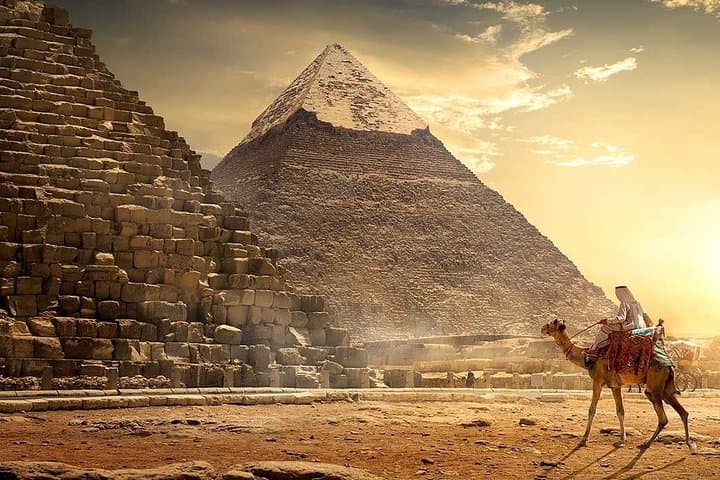
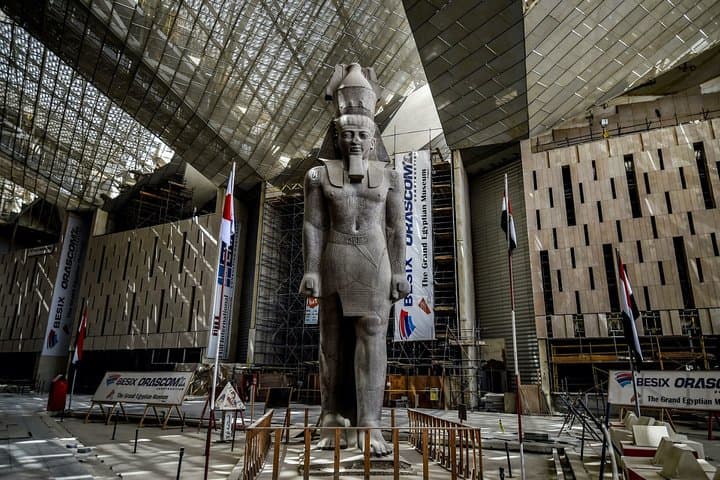
At the Giza Plateau the pyramids loom with geometric clarity—blocks of limestone and granite stacked into an angled memory of engineering from roughly 4,500 years ago. The plateau’s hard, wind-polished rock gives way to sandy tracks underfoot; the Sphinx sits like a weathered storyteller guarding the entrance. In central Cairo the Egyptian Museum houses roughly 150,000 artifacts, from daily tools to Tutankhamun’s funerary gold; its collection traces dynasties that shaped the Mediterranean world.
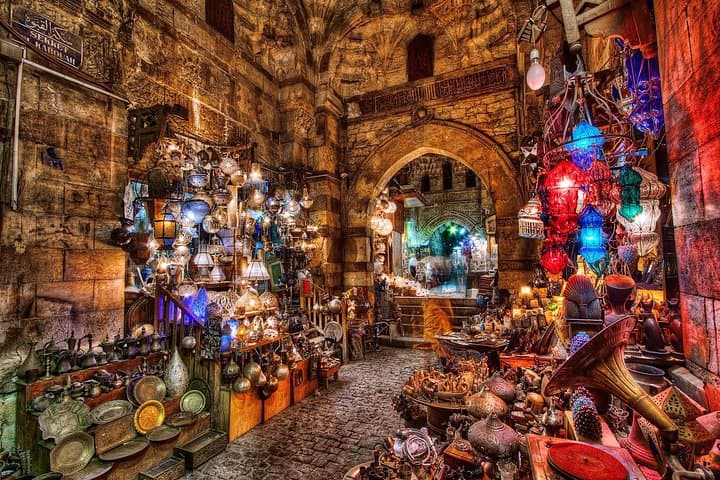
Khan El Khalili offers a contrast: alleys that have hustled since the 14th century, where metalworkers tap, spice merchants call and bargaining is part of the rhythm. Later, the Nile at dusk stretches wide and glassy, reflecting mosques and lamp-light—an urban current that still pushes commerce and culture.
Practical guidance: expect a long day (12–15 hours), bring sun protection, comfortable walking shoes and your passport for domestic air travel. Entry fees to sites may not be included; security checks are standard at major attractions. Hydrate before and during stops; aim for the earliest pyramid visit to avoid peak heat and crowds. This one-day circuit is heavy on history and light on technical challenge—bring patience, a camera, and an eye for small details: carved hieroglyphs, market stalls, and the way the Nile keeps the city moving.
easy.
12–15 hours.
General mobility is sufficient; you’ll do repeated short walks and stand for guided explanations—basic stamina and ability to climb steps recommended.
Not always—check the tour details; some operators exclude site admission fees, which you may pay on site.
Flight time is roughly 1 hour 15 minutes; total door-to-door time will be longer due to transfers and security checks.
Yes—the itinerary includes a market visit; bring cash and allow time for bargaining and browsing in the alleys.
The tour is generally suitable for families, but the day is long and involves uneven terrain at Giza; notify operators about mobility needs in advance.
The Giza complex dates to the Fourth Dynasty (~c. 2600–2500 BCE) and remains the only surviving structure of the ancient Seven Wonders; Khan El Khalili developed into a major market district in the 14th century A.D.
High visitor numbers and urban pressure threaten archaeological contexts—stay on marked paths, don’t remove artifacts and avoid supporting illicit antiquities trade.
Crazy Shark Diving Center operates guided outdoor trips and adventures with an emphasis on safety, stewardship, and memorable experiences.

You wake before dawn in Sharm El Sheikh, board a short flight and watch the Red Sea shrink beneath the wing; within hours the dust-brown sweep of the Nile valley opens into greater Cairo, where stone and river argue for attention.
You wake before dawn in Sharm El Sheikh, board a short flight and watch the Red Sea shrink beneath the wing; within hours the dust-brown sweep of the Nile valley opens into greater Cairo, where stone and river argue for attention.
At the Giza Plateau the pyramids loom with geometric clarity—blocks of limestone and granite stacked into an angled memory of engineering from roughly 4,500 years ago. The plateau’s hard, wind-polished rock gives way to sandy tracks underfoot; the Sphinx sits like a weathered storyteller guarding the entrance. In central Cairo the Egyptian Museum houses roughly 150,000 artifacts, from daily tools to Tutankhamun’s funerary gold; its collection traces dynasties that shaped the Mediterranean world.
Khan El Khalili offers a contrast: alleys that have hustled since the 14th century, where metalworkers tap, spice merchants call and bargaining is part of the rhythm. Later, the Nile at dusk stretches wide and glassy, reflecting mosques and lamp-light—an urban current that still pushes commerce and culture.
Practical guidance: expect a long day (12–15 hours), bring sun protection, comfortable walking shoes and your passport for domestic air travel. Entry fees to sites may not be included; security checks are standard at major attractions. Hydrate before and during stops; aim for the earliest pyramid visit to avoid peak heat and crowds. This one-day circuit is heavy on history and light on technical challenge—bring patience, a camera, and an eye for small details: carved hieroglyphs, market stalls, and the way the Nile keeps the city moving.