THE ADVENTURE COLLECTIVE® · Independent discovery and booking for outdoor travel

Make the Amalfi Coast and Pompeii part of a single long day from Rome with a private driver and customized stops. Expect historic ruins, cliffside towns, and a full but manageable day of walking and coastal views.
Make the Amalfi Coast and Pompeii part of a single long day from Rome with a private driver and customized stops. Expect historic ruins, cliffside towns, and a full but manageable day of walking and coastal views.
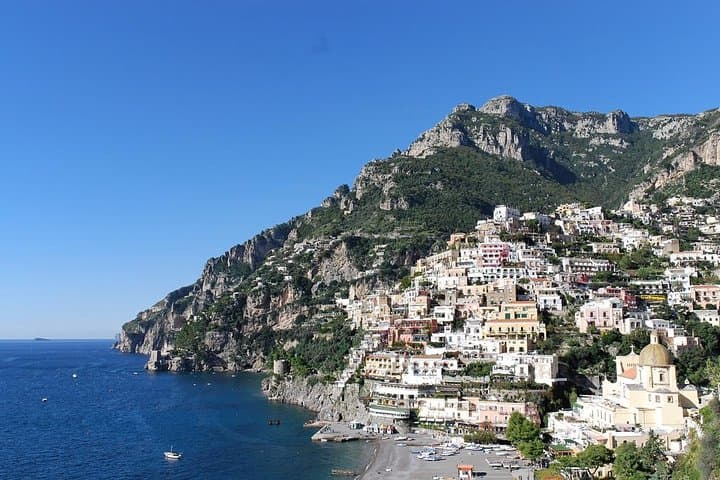
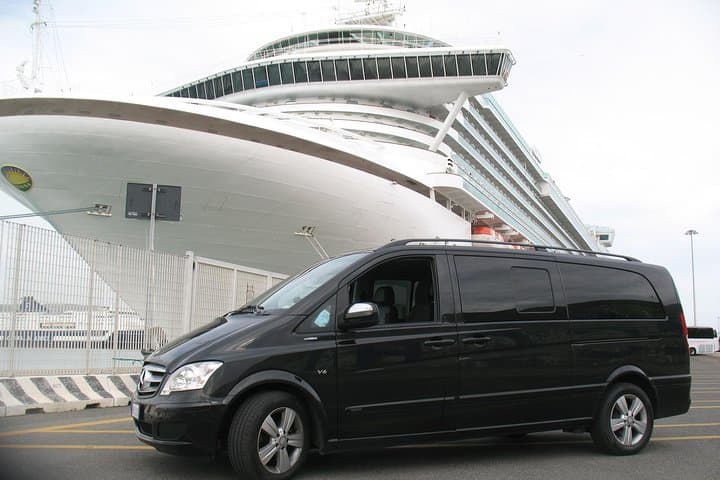
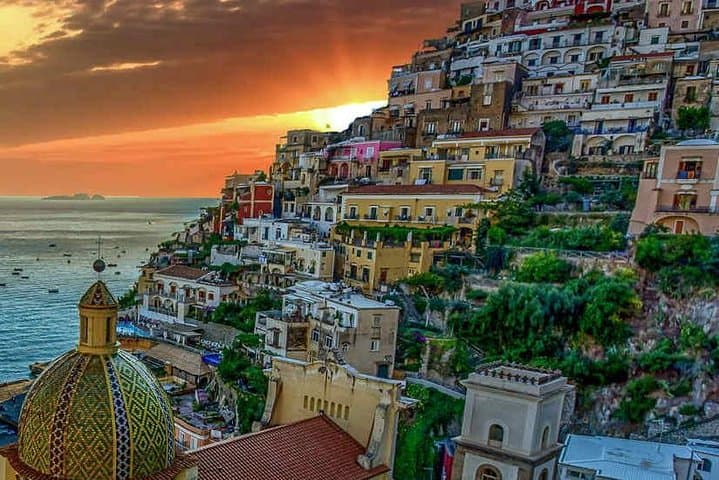
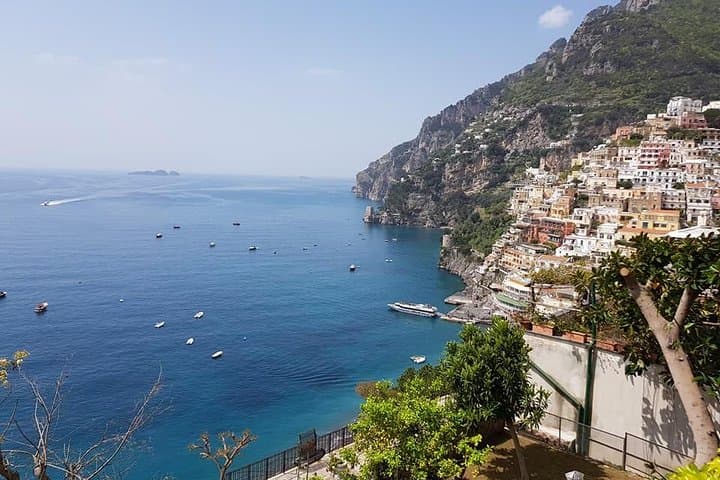
You step into the van before dawn as Rome unwraps itself behind you, the city’s stone and traffic shrinking while the sea grows louder. The driver threads the autostrada and, hour by hour, the blue expands: the Tyrrhenian daring you toward cliffs that hold villages by sheer will. By midmorning you stand where Romans once walked—Pompeii’s streets frozen under ash—then a coastal ribbon of lemon terraces and pastel houses draws you into the Amalfi drive.
Verified experiences and guided adventures in the surrounding area.
Operated by Positano Limo Service · Amalfi, Campania
You step into the van before dawn as Rome unwraps itself behind you, the city’s stone and traffic shrinking while the sea grows louder. The driver threads the autostrada and, hour by hour, the blue expands: the Tyrrhenian daring you toward cliffs that hold villages by sheer will. By midmorning you stand where Romans once walked—Pompeii’s streets frozen under ash—then a coastal ribbon of lemon terraces and pastel houses draws you into the Amalfi drive.
Pompeii is a lesson in geology and human scale: Vesuvius’s eruption in 79 AD preserved mosaics, bakeries and graffiti in startling detail. The Amalfi Coast owes its profiles to folded limestone and marine terraces carved by waves and time; its towns grew as maritime trading hubs and later as centers of silk and lemon trade. Local culture still orients around food, ceramics and cliffside gardens tended in narrow plots.
Practical guidance: expect a long day—plan for 10–12 hours including transfers. Pompeii’s ruins and towns like Amalfi and Positano have uneven stone, steps and pockets of shade; wear supportive shoes and bring a sun hat and refillable bottle (bottled water provided on the vehicle can help). Toilets and cafés are available at key stops, but exact stops depend on your customized itinerary. Photography is best in the morning light at Pompeii and late afternoon on the coast; afternoons can be crowded in high season.
A private tour gives flexibility—ask to prioritize either archaeological time or a slower coastal lunch. Respect restricted areas at Pompeii, watch for narrow winding roads on the coast, and leave time to let the sea and cliffs do what they do best: pull your attention outward.
easy.
10–12 hours.
Suitable for most fitness levels; must be able to walk on uneven surfaces and climb stairs for short periods.
Pickups are typically door-to-door in Rome around 7:30am with return to the same drop-off point in the evening—confirm your exact pickup during booking.
Expect moderate walking at Pompeii and through coastal towns—mostly on uneven stone and stairs; the tour provides vehicle transfers between major points.
Meals are not included; bottled water and vehicle amenities are provided—plan to budget for a seaside lunch or cafés along the route.
Yes—infants and small children are accommodated and infant seats are available, though some town centers have stairs and limited stroller access.
Pompeii preserves Roman urban life after Vesuvius’s 79 AD eruption; the Amalfi towns grew as medieval maritime republics and trading centers.
The coast sees high visitor pressure; stick to marked paths at archaeological sites and avoid leaving waste—many small communities depend on sustainable tourism.
Positano Limo Service operates guided outdoor trips and adventures with an emphasis on safety, stewardship, and memorable experiences.
You step into the van before dawn as Rome unwraps itself behind you, the city’s stone and traffic shrinking while the sea grows louder. The driver threads the autostrada and, hour by hour, the blue expands: the Tyrrhenian daring you toward cliffs that hold villages by sheer will. By midmorning you stand where Romans once walked—Pompeii’s streets frozen under ash—then a coastal ribbon of lemon terraces and pastel houses draws you into the Amalfi drive.
You step into the van before dawn as Rome unwraps itself behind you, the city’s stone and traffic shrinking while the sea grows louder. The driver threads the autostrada and, hour by hour, the blue expands: the Tyrrhenian daring you toward cliffs that hold villages by sheer will. By midmorning you stand where Romans once walked—Pompeii’s streets frozen under ash—then a coastal ribbon of lemon terraces and pastel houses draws you into the Amalfi drive.
Pompeii is a lesson in geology and human scale: Vesuvius’s eruption in 79 AD preserved mosaics, bakeries and graffiti in startling detail. The Amalfi Coast owes its profiles to folded limestone and marine terraces carved by waves and time; its towns grew as maritime trading hubs and later as centers of silk and lemon trade. Local culture still orients around food, ceramics and cliffside gardens tended in narrow plots.
Practical guidance: expect a long day—plan for 10–12 hours including transfers. Pompeii’s ruins and towns like Amalfi and Positano have uneven stone, steps and pockets of shade; wear supportive shoes and bring a sun hat and refillable bottle (bottled water provided on the vehicle can help). Toilets and cafés are available at key stops, but exact stops depend on your customized itinerary. Photography is best in the morning light at Pompeii and late afternoon on the coast; afternoons can be crowded in high season.
A private tour gives flexibility—ask to prioritize either archaeological time or a slower coastal lunch. Respect restricted areas at Pompeii, watch for narrow winding roads on the coast, and leave time to let the sea and cliffs do what they do best: pull your attention outward.