THE ADVENTURE COLLECTIVE® · Independent discovery and booking for outdoor travel

A full-day cultural and geological outing from Riyadh to Ushaiger and the Al Qasab salt flats. Walk mud-brick lanes, learn traditional salt harvesting, and taste local food while exploring hidden desert landscapes.
A full-day cultural and geological outing from Riyadh to Ushaiger and the Al Qasab salt flats. Walk mud-brick lanes, learn traditional salt harvesting, and taste local food while exploring hidden desert landscapes.
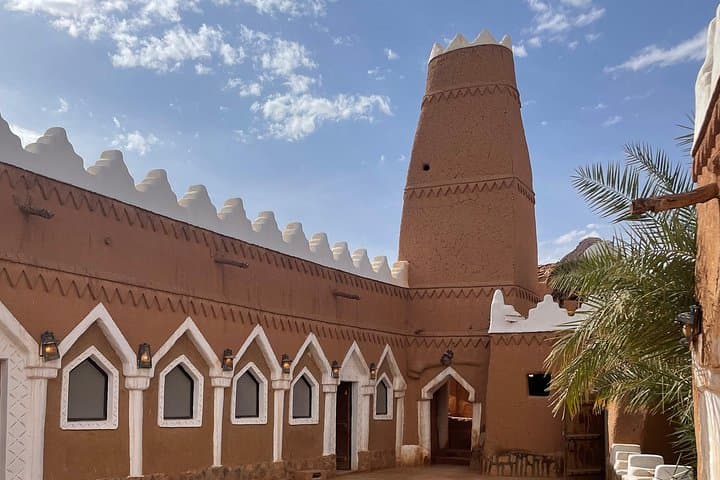
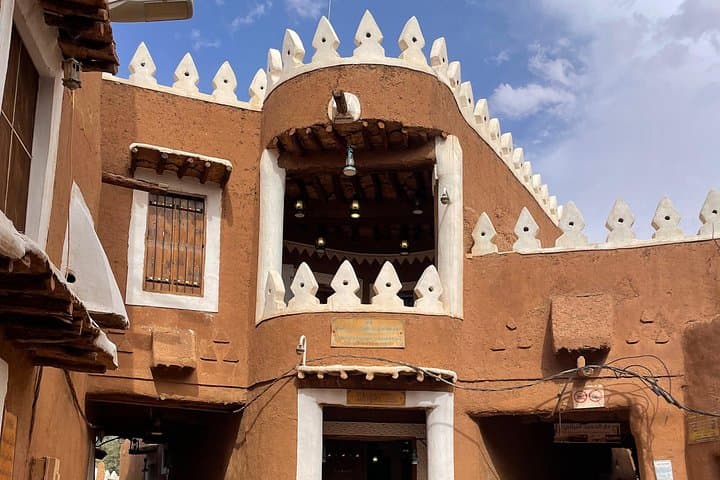
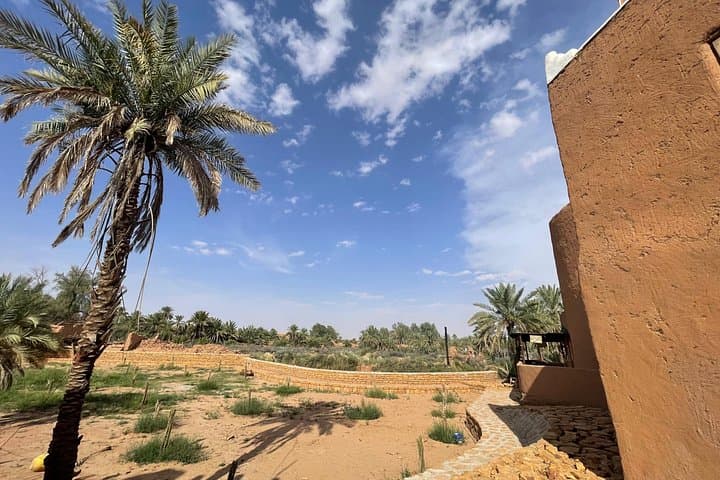
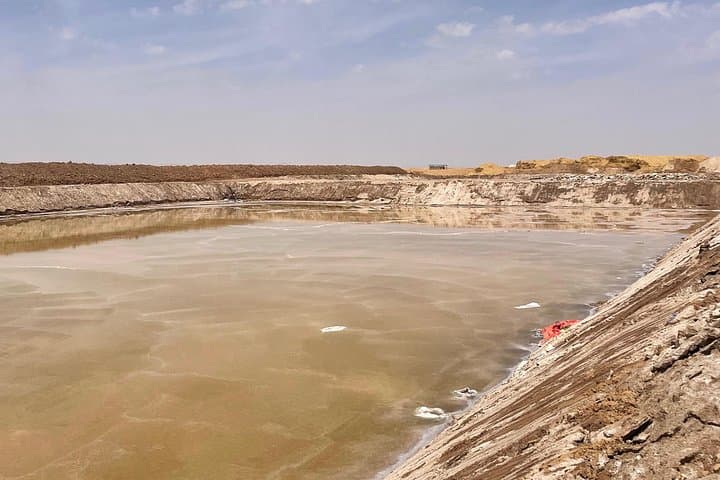
You step out of Riyadh’s highway into a flat, sun-baked expanse where the horizon tightens and the wind begins to name your pace. The road sends you toward Ushaiger, a compact cluster of ochre mud-brick houses whose narrow lanes open like pages of local memory. Nearby, the Al Qasab salt land waits—white crusts breaking the desert’s rhythm, salt crystals catching light and daring you to get closer.
Verified experiences and guided adventures in the surrounding area.
Operated by Faisal · Ushaiger, Riyadh Province
You step out of Riyadh’s highway into a flat, sun-baked expanse where the horizon tightens and the wind begins to name your pace. The road sends you toward Ushaiger, a compact cluster of ochre mud-brick houses whose narrow lanes open like pages of local memory. Nearby, the Al Qasab salt land waits—white crusts breaking the desert’s rhythm, salt crystals catching light and daring you to get closer.
Ushaiger grew as a stop on regional trade and pilgrimage routes; its homes and farms preserve construction techniques handed down for generations. Geologically, the salt flats are the surface expression of shallow evaporative basins: water collects, evaporates, and leaves behind mineral crusts that were harvested historically and still inform local livelihoods. Culture here is tactile—coffee poured, dates shared, and craftsmen repairing doors with the same rhythms their ancestors used.
Expect easy walks through compact lanes, guided explanations of salt formation and extraction, and a lunch inside the village where local recipes are served. The terrain is flat but exposed—sun, silica dust and reflective salt demand sun protection and steady water. Photography is rewarding: low-angle light illuminates mud-brick textures and the pale geometry of salt pans.
Plan for an early departure from Riyadh to avoid midday heat, bring a hat and closed shoes for walking on uneven surfaces, and leave room in your bag for small purchases from local markets. Respect private homes and the salt flats by not removing samples; the landscape responds when treated with care.
easy.
8 hours.
Suitable for most fitness levels; involves short, easy walks on flat but uneven ground
The full experience is approximately eight hours including pickup, visits to Al Qasab salt land, Ushaiger village, lunch, and a stop in Shagra before returning to Riyadh.
Yes—this tour is rated easy and suitable for all fitness levels; infants must sit on an adult’s lap during transport.
No—removing salt, artifacts, or architectural elements harms local heritage and is discouraged; please observe and photograph instead.
Yes—lunch, bottled water, and tea or coffee are included as part of the tour.
Ushaiger developed as a stop on inland trade and pilgrimage routes; its mud-brick architecture reflects centuries of vernacular building adapted for desert conditions.
The salt flats and historic village are environmentally sensitive—stay on established paths, avoid collecting natural samples, and support local vendors to encourage sustainable tourism.
Faisal operates guided outdoor trips and adventures with an emphasis on safety, stewardship, and memorable experiences.
You step out of Riyadh’s highway into a flat, sun-baked expanse where the horizon tightens and the wind begins to name your pace. The road sends you toward Ushaiger, a compact cluster of ochre mud-brick houses whose narrow lanes open like pages of local memory. Nearby, the Al Qasab salt land waits—white crusts breaking the desert’s rhythm, salt crystals catching light and daring you to get closer.
You step out of Riyadh’s highway into a flat, sun-baked expanse where the horizon tightens and the wind begins to name your pace. The road sends you toward Ushaiger, a compact cluster of ochre mud-brick houses whose narrow lanes open like pages of local memory. Nearby, the Al Qasab salt land waits—white crusts breaking the desert’s rhythm, salt crystals catching light and daring you to get closer.
Ushaiger grew as a stop on regional trade and pilgrimage routes; its homes and farms preserve construction techniques handed down for generations. Geologically, the salt flats are the surface expression of shallow evaporative basins: water collects, evaporates, and leaves behind mineral crusts that were harvested historically and still inform local livelihoods. Culture here is tactile—coffee poured, dates shared, and craftsmen repairing doors with the same rhythms their ancestors used.
Expect easy walks through compact lanes, guided explanations of salt formation and extraction, and a lunch inside the village where local recipes are served. The terrain is flat but exposed—sun, silica dust and reflective salt demand sun protection and steady water. Photography is rewarding: low-angle light illuminates mud-brick textures and the pale geometry of salt pans.
Plan for an early departure from Riyadh to avoid midday heat, bring a hat and closed shoes for walking on uneven surfaces, and leave room in your bag for small purchases from local markets. Respect private homes and the salt flats by not removing samples; the landscape responds when treated with care.