THE ADVENTURE COLLECTIVE® · Independent discovery and booking for outdoor travel

Experience two contrasting Andean worlds in one day: the high, glassy basin of Quilotoa and the warmer, waterfall-driven town of Baños. This full-day route combines volcanic geology, local art in Tigua and a manageable rim walk with village culture and scenic drives.
Experience two contrasting Andean worlds in one day: the high, glassy basin of Quilotoa and the warmer, waterfall-driven town of Baños. This full-day route combines volcanic geology, local art in Tigua and a manageable rim walk with village culture and scenic drives.
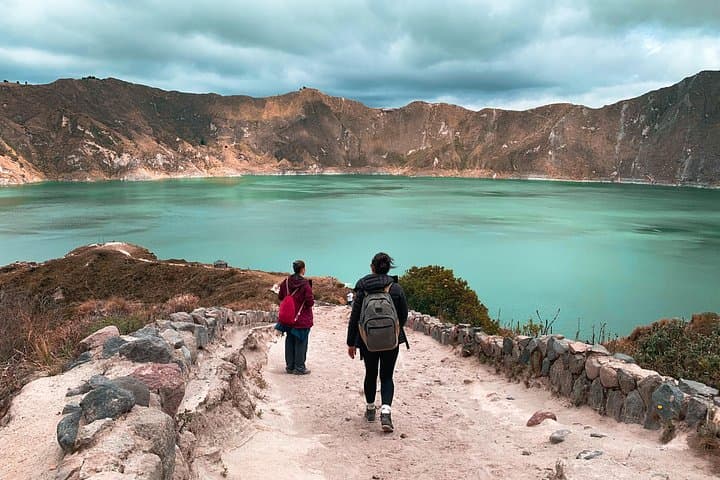
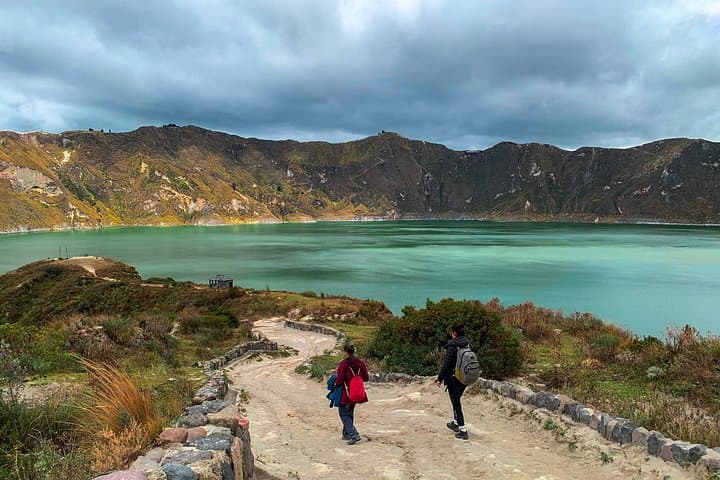
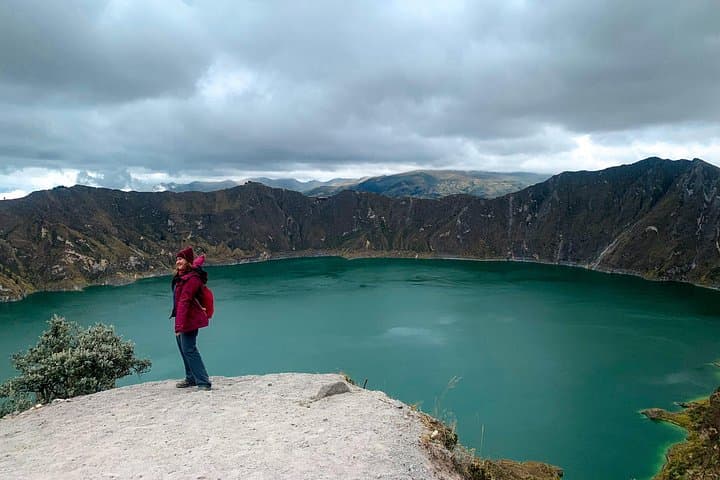
A chill wind scrapes across the rim as the crater lake below shifts color from deep teal to pale aqua; travelers stand at the edge of Quilotoa, the volcanic caldera that forces you to slow down and watch. The day begins in Quito, climbs into the Avenue of the Volcanoes with peaks like Cotopaxi and Illinizas watching from a distance, then drops into highland villages where painted leather panels and mountain stories fill the stops.
Verified experiences and guided adventures in the surrounding area.
Operated by Wonderful Ecuador · Quilotoa, Cotopaxi
A chill wind scrapes across the rim as the crater lake below shifts color from deep teal to pale aqua; travelers stand at the edge of Quilotoa, the volcanic caldera that forces you to slow down and watch. The day begins in Quito, climbs into the Avenue of the Volcanoes with peaks like Cotopaxi and Illinizas watching from a distance, then drops into highland villages where painted leather panels and mountain stories fill the stops.
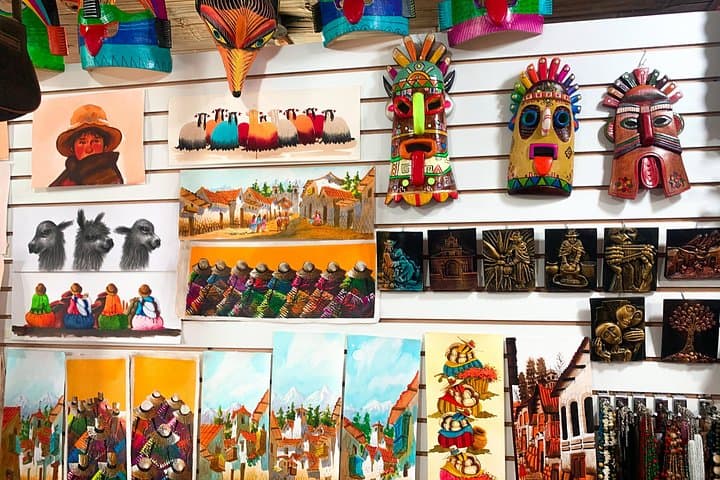
Quilotoa’s caldera formed in a major eruption roughly 1,800 years ago and today reveals clear evidence of explosive Andean volcanism—steep crater walls, a two-kilometer rim walk and a bowl-shaped lake at about 3,900 meters (12,800 ft). Cultural threads run through the route: Tigua artists keep Andean scenes alive with vivid, hand-painted works while Quechua-speaking communities still herd llamas and work the terraced fields.
Practical notes: plan for altitude and rapidly changing weather—sun can be strong even when air is cold. Expect roughly 2.5 hours’ drive from Quito to Quilotoa, a 2 km rim walk (≈30–60 minutes depending on pace and stops), then about three hours onward to Baños where the tour ends. Bring layered clothing, sturdy footwear, water and cash for small entrances, mule rides or snacks. Boat and mule rentals are available on-site but are not included. The route rewards steady pacing: keep to trail edges, move deliberately uphill, and allow extra time for photos and local markets.
moderate.
8–10 hours.
Should be in moderate fitness with ability to walk uphill at high altitude and tolerate long vehicle transfers
The rim path is about 2 kilometers and typically takes 30–60 minutes depending on pace and photo stops; steeper sections can slow progress.
No—boat rides and mule transport at Quilotoa are optional, available locally for a fee, and not included in the standard tour price.
Some travelers experience mild symptoms; rest, hydrate, avoid alcohol, and ascend slowly—consult a doctor if you have cardiovascular or respiratory conditions.
This day tour departs from Quito and concludes with drop-off in Baños de Agua Santa, allowing travelers to continue exploring there or return independently.
Quilotoa’s caldera formed in a large eruption roughly 1,800 years ago; local highland communities such as Tigua maintain indigenous art forms and agricultural traditions along the route.
The crater’s high-altitude ecosystem is fragile—stick to established paths, avoid littering and support local services to help sustain community-based tourism.
Wonderful Ecuador operates guided outdoor trips and adventures with an emphasis on safety, stewardship, and memorable experiences.
A chill wind scrapes across the rim as the crater lake below shifts color from deep teal to pale aqua; travelers stand at the edge of Quilotoa, the volcanic caldera that forces you to slow down and watch. The day begins in Quito, climbs into the Avenue of the Volcanoes with peaks like Cotopaxi and Illinizas watching from a distance, then drops into highland villages where painted leather panels and mountain stories fill the stops.
A chill wind scrapes across the rim as the crater lake below shifts color from deep teal to pale aqua; travelers stand at the edge of Quilotoa, the volcanic caldera that forces you to slow down and watch. The day begins in Quito, climbs into the Avenue of the Volcanoes with peaks like Cotopaxi and Illinizas watching from a distance, then drops into highland villages where painted leather panels and mountain stories fill the stops.
Quilotoa’s caldera formed in a major eruption roughly 1,800 years ago and today reveals clear evidence of explosive Andean volcanism—steep crater walls, a two-kilometer rim walk and a bowl-shaped lake at about 3,900 meters (12,800 ft). Cultural threads run through the route: Tigua artists keep Andean scenes alive with vivid, hand-painted works while Quechua-speaking communities still herd llamas and work the terraced fields.
Practical notes: plan for altitude and rapidly changing weather—sun can be strong even when air is cold. Expect roughly 2.5 hours’ drive from Quito to Quilotoa, a 2 km rim walk (≈30–60 minutes depending on pace and stops), then about three hours onward to Baños where the tour ends. Bring layered clothing, sturdy footwear, water and cash for small entrances, mule rides or snacks. Boat and mule rentals are available on-site but are not included. The route rewards steady pacing: keep to trail edges, move deliberately uphill, and allow extra time for photos and local markets.