THE ADVENTURE COLLECTIVE® · Independent discovery and booking for outdoor travel

Spend a full day from Prague visiting the sobering Mauthausen memorial in Austria and the well-preserved medieval streets of Cesky Krumlov. This private tour pairs careful historical interpretation with a riverside town exploration.
Spend a full day from Prague visiting the sobering Mauthausen memorial in Austria and the well-preserved medieval streets of Cesky Krumlov. This private tour pairs careful historical interpretation with a riverside town exploration.
You step out of Prague's urban hum before sunrise and the coach eases onto the highway—fields flatten, the air sharpens, and by late morning the landscape has shifted to the low limestone ridges of Upper Austria. At Mauthausen the mood tightens: stone barracks and a high quarry face hold the silence of history, where guided accounts lay out the camp’s origin as a Nazi labor and extermination site from 1938–1945.
Verified experiences and guided adventures in the surrounding area.
Operated by Lucytours · Prague, Prague
You step out of Prague's urban hum before sunrise and the coach eases onto the highway—fields flatten, the air sharpens, and by late morning the landscape has shifted to the low limestone ridges of Upper Austria. At Mauthausen the mood tightens: stone barracks and a high quarry face hold the silence of history, where guided accounts lay out the camp’s origin as a Nazi labor and extermination site from 1938–1945.
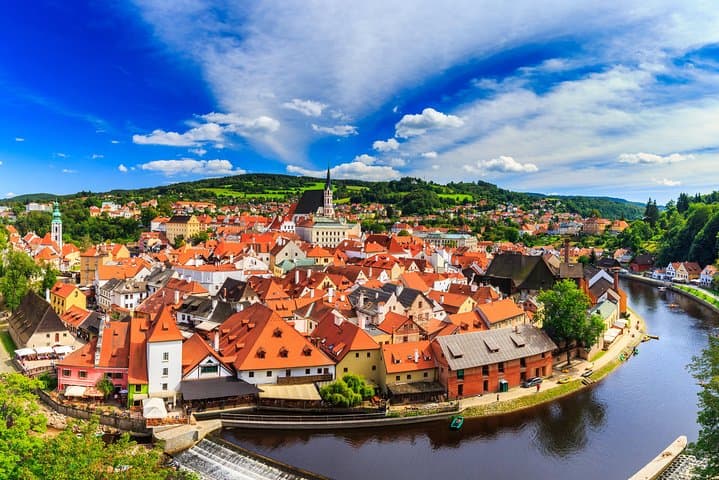
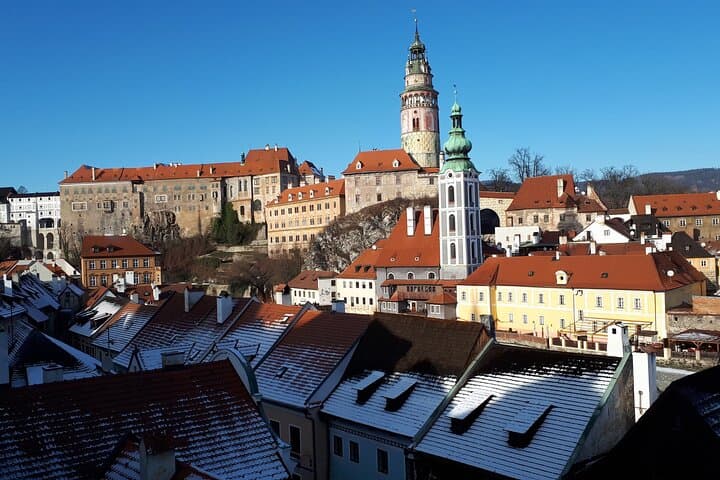
The route moves on to a different kind of history. Cesky Krumlov curves around the Vltava River, its medieval streets and layered castle complex shaped by 13th-century Bohemian nobility and refined through Renaissance and Baroque rebuilding. The castle tower lets you look back over red tile roofs and the river daring you along its bend; the town’s alleys keep details—ironwork signs, small workshops—that survived centuries of change.
Practical notes thread through the day: expect around 12 hours of travel and stops, light-to-moderate walking on cobbles and uneven paths, and border crossing formalities between the Czech Republic and Austria (bring ID). Mauthausen demands respectful silence and attention; photography and movement follow site rules. Cesky Krumlov is busiest midday—visit the castle tower early or late for clearer views.
Bring comfortable footwear, a weatherproof layer, and water; carry some euros for small purchases in Austria though cards are widely accepted. This private tour balances a solemn historical visit with an architectural and riverside stroll—plan for a day that asks both reflection and curiosity.
easy.
12 hours.
Suitable for most fitness levels; requires standing during guided stops and walking on cobblestones and short inclines.
The tour runs about 12 hours and departs from Prague; specific pickup details are provided at booking.
Mauthausen is a solemn historical site; older children and teens who can handle sensitive content are appropriate, and guidance is respectful of age and family needs.
Entry to the Mauthausen concentration camp is included; other site entrances in Cesky Krumlov may be subject to additional fees depending on options chosen.
The tour notes wheelchair and stroller accessibility for transportation and many areas, but some historic sections and cobbled streets may be challenging—check with the operator for specific needs.
Mauthausen-Gusen was established by the Nazi regime in 1938 as a labor and extermination complex; Cesky Krumlov developed from a 13th-century castle town and reflects Renaissance and Baroque layers under families like the Rosenbergs and Schwarzenbergs.
At Mauthausen, stay on designated paths and respect preservation rules to protect memorial structures; in Cesky Krumlov support local businesses and avoid trampling riverbanks to limit tourism impact.
Lucytours operates guided outdoor trips and adventures with an emphasis on safety, stewardship, and memorable experiences.
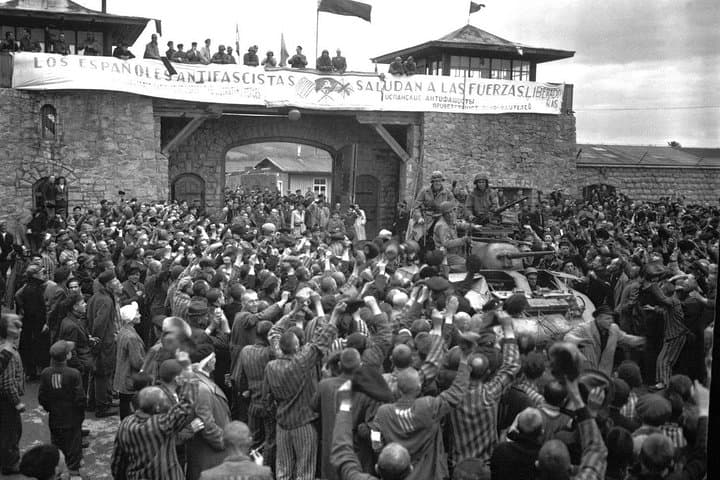

You step out of Prague's urban hum before sunrise and the coach eases onto the highway—fields flatten, the air sharpens, and by late morning the landscape has shifted to the low limestone ridges of Upper Austria. At Mauthausen the mood tightens: stone barracks and a high quarry face hold the silence of history, where guided accounts lay out the camp’s origin as a Nazi labor and extermination site from 1938–1945.
You step out of Prague's urban hum before sunrise and the coach eases onto the highway—fields flatten, the air sharpens, and by late morning the landscape has shifted to the low limestone ridges of Upper Austria. At Mauthausen the mood tightens: stone barracks and a high quarry face hold the silence of history, where guided accounts lay out the camp’s origin as a Nazi labor and extermination site from 1938–1945.
The route moves on to a different kind of history. Cesky Krumlov curves around the Vltava River, its medieval streets and layered castle complex shaped by 13th-century Bohemian nobility and refined through Renaissance and Baroque rebuilding. The castle tower lets you look back over red tile roofs and the river daring you along its bend; the town’s alleys keep details—ironwork signs, small workshops—that survived centuries of change.
Practical notes thread through the day: expect around 12 hours of travel and stops, light-to-moderate walking on cobbles and uneven paths, and border crossing formalities between the Czech Republic and Austria (bring ID). Mauthausen demands respectful silence and attention; photography and movement follow site rules. Cesky Krumlov is busiest midday—visit the castle tower early or late for clearer views.
Bring comfortable footwear, a weatherproof layer, and water; carry some euros for small purchases in Austria though cards are widely accepted. This private tour balances a solemn historical visit with an architectural and riverside stroll—plan for a day that asks both reflection and curiosity.