THE ADVENTURE COLLECTIVE® · Independent discovery and booking for outdoor travel

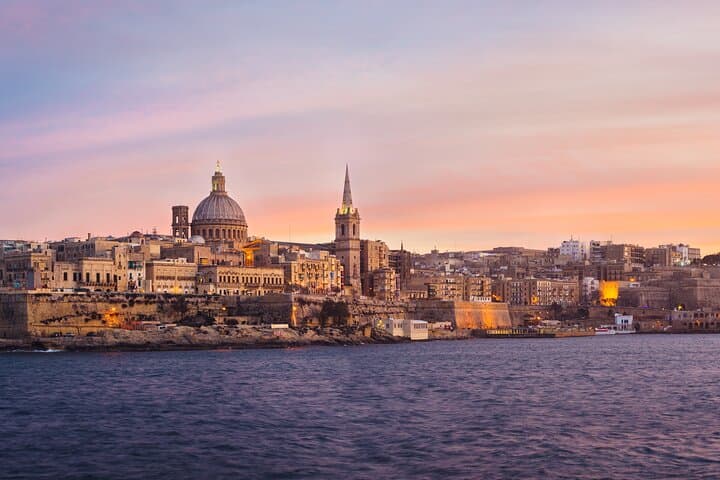
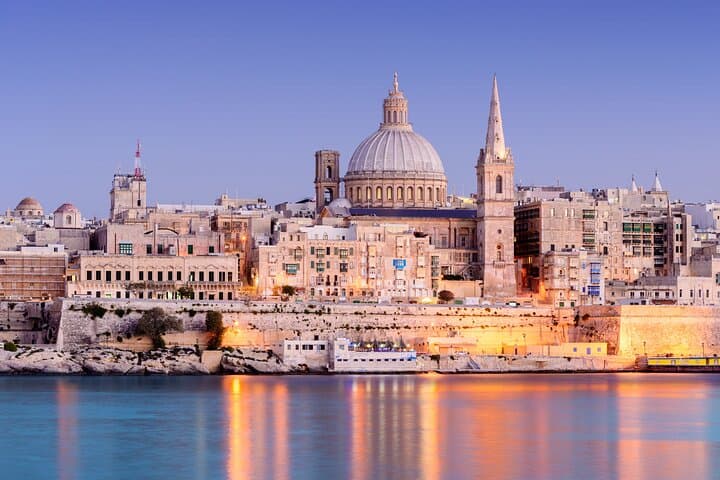
Cross the Strait of Sicily on a day-long catamaran transfer to Malta and spend twelve hours exploring Valletta’s bastions and Mdina’s medieval streets with a guide. This full-day excursion pairs maritime travel with UNESCO heritage and panoramic harbor views.
Cross the Strait of Sicily on a day-long catamaran transfer to Malta and spend twelve hours exploring Valletta’s bastions and Mdina’s medieval streets with a guide. This full-day excursion pairs maritime travel with UNESCO heritage and panoramic harbor views.
You step aboard a catamaran at Pozzallo before sunrise and feel the Mediterranean wake pushing the hull toward Malta. Sea spray sharpens the air; the island’s limestone cliffs appear as pale walls on the horizon. By mid-morning the coach deposits you at Valletta’s waterfront and the guide opens a map of streets carved by centuries of orders, sieges and trade.
Verified experiences and guided adventures in the surrounding area.
Operated by Virtu Ferries LTD · Valletta, Malta
You step aboard a catamaran at Pozzallo before sunrise and feel the Mediterranean wake pushing the hull toward Malta. Sea spray sharpens the air; the island’s limestone cliffs appear as pale walls on the horizon. By mid-morning the coach deposits you at Valletta’s waterfront and the guide opens a map of streets carved by centuries of orders, sieges and trade.
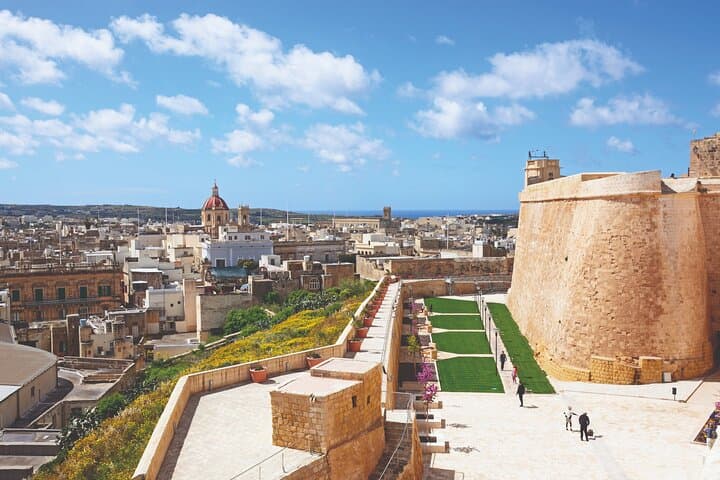
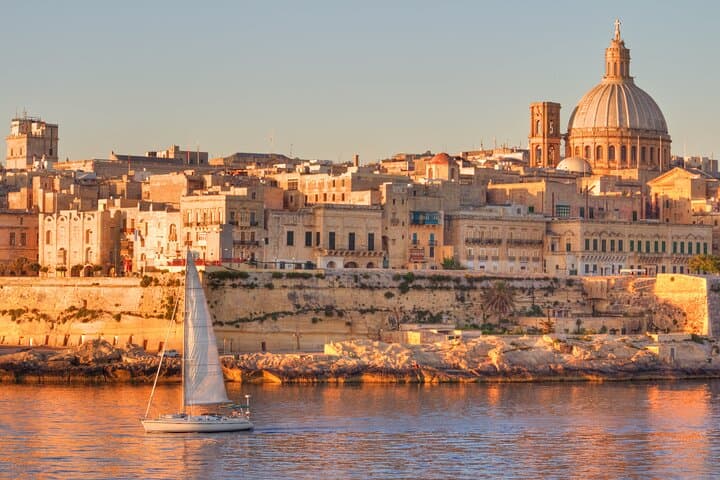
Valletta is a compact city of bastions and narrow lanes built by the Knights of St. John after the 1565 Great Siege. Its bedrock is Globigerina limestone—soft enough for ornate baroque façades yet steeped in fossil-rich geology that shaped the island’s agriculture and quarries. Mdina, the former capital, sits inland on higher ground: its medieval ramparts throw long shadows and offer wide views across Malta’s cultivated plains.
Culture here is a mix of Mediterranean ingredients, Maltese language roots and layered architecture from Siculo-Norman to baroque. Upper Barrakka Gardens give a clear view of the Grand Harbour and the defensive lines that dominated naval history.
Practical guidance: this is a full 12‑hour day with a catamaran crossing, guided walking in Valletta and Mdina, and coach transfers—expect several hours on your feet on cobbles and stairs. Bring your passport, comfortable shoes, sun protection and a small daypack. Time your lunch in Valletta’s central piazzas or try a quick pastizzi from a local pastizzeria. Mobile tickets and wheelchair-accessible options are often available, but confirm when booking. Pace your day, hydrate regularly, and leave time to stand on the bastions and let the wind dare you toward the sea.
easy.
12 hours.
Suitable for most fitness levels; expect moderate walking (2–4 miles) on uneven, stepped terrain.
Yes—travelers will cross from Italy to Malta; bring a valid passport or EU national ID as required by your nationality.
No—there is free time in Valletta for lunch; the guide can suggest options ranging from casual pastizzerias to sit-down restaurants.
Expect moderate walking: guided tours in Valletta and Mdina total a few hours on uneven streets, with stairs and some uphill sections.
The tour lists wheelchair-accessible options and accessible transportation, but accessibility in historic streets may vary—confirm specific needs with the operator when booking.
Valletta was founded and fortified by the Knights of St. John after the 1565 Great Siege; Mdina predates them as a Phoenician and Roman administrative center later fortified in the medieval period.
Historic limestone is sensitive to erosion and human wear; stay on marked paths, avoid touching fragile carvings and support local conservation by using designated waste bins.
Virtu Ferries LTD operates guided outdoor trips and adventures with an emphasis on safety, stewardship, and memorable experiences.
You step aboard a catamaran at Pozzallo before sunrise and feel the Mediterranean wake pushing the hull toward Malta. Sea spray sharpens the air; the island’s limestone cliffs appear as pale walls on the horizon. By mid-morning the coach deposits you at Valletta’s waterfront and the guide opens a map of streets carved by centuries of orders, sieges and trade.
You step aboard a catamaran at Pozzallo before sunrise and feel the Mediterranean wake pushing the hull toward Malta. Sea spray sharpens the air; the island’s limestone cliffs appear as pale walls on the horizon. By mid-morning the coach deposits you at Valletta’s waterfront and the guide opens a map of streets carved by centuries of orders, sieges and trade.
Valletta is a compact city of bastions and narrow lanes built by the Knights of St. John after the 1565 Great Siege. Its bedrock is Globigerina limestone—soft enough for ornate baroque façades yet steeped in fossil-rich geology that shaped the island’s agriculture and quarries. Mdina, the former capital, sits inland on higher ground: its medieval ramparts throw long shadows and offer wide views across Malta’s cultivated plains.
Culture here is a mix of Mediterranean ingredients, Maltese language roots and layered architecture from Siculo-Norman to baroque. Upper Barrakka Gardens give a clear view of the Grand Harbour and the defensive lines that dominated naval history.
Practical guidance: this is a full 12‑hour day with a catamaran crossing, guided walking in Valletta and Mdina, and coach transfers—expect several hours on your feet on cobbles and stairs. Bring your passport, comfortable shoes, sun protection and a small daypack. Time your lunch in Valletta’s central piazzas or try a quick pastizzi from a local pastizzeria. Mobile tickets and wheelchair-accessible options are often available, but confirm when booking. Pace your day, hydrate regularly, and leave time to stand on the bastions and let the wind dare you toward the sea.