THE ADVENTURE COLLECTIVE® · Independent discovery and booking for outdoor travel

Escape Paris for a full-day private drive into the Champagne region: visit Reims Cathedral, tour Taittinger’s cellars, and compare an independent grower with two focused tastings. Expect nine hours of culture, geology, and carefully explained winemaking.
Escape Paris for a full-day private drive into the Champagne region: visit Reims Cathedral, tour Taittinger’s cellars, and compare an independent grower with two focused tastings. Expect nine hours of culture, geology, and carefully explained winemaking.
You step out of Paris traffic into a different rhythm: grape-lined roads, chalky slopes, and villages that keep their own calendar. The Mercedes minivan hums along the Marne valley while your guide points to rows of pinot and chardonnay climbing the Montagne de Reims; the vineyards seem to lean toward the sun as if eager to share their next bottle.
Verified experiences and guided adventures in the surrounding area.
Operated by Parismatic Tour · Reims, Grand Est
You step out of Paris traffic into a different rhythm: grape-lined roads, chalky slopes, and villages that keep their own calendar. The Mercedes minivan hums along the Marne valley while your guide points to rows of pinot and chardonnay climbing the Montagne de Reims; the vineyards seem to lean toward the sun as if eager to share their next bottle.
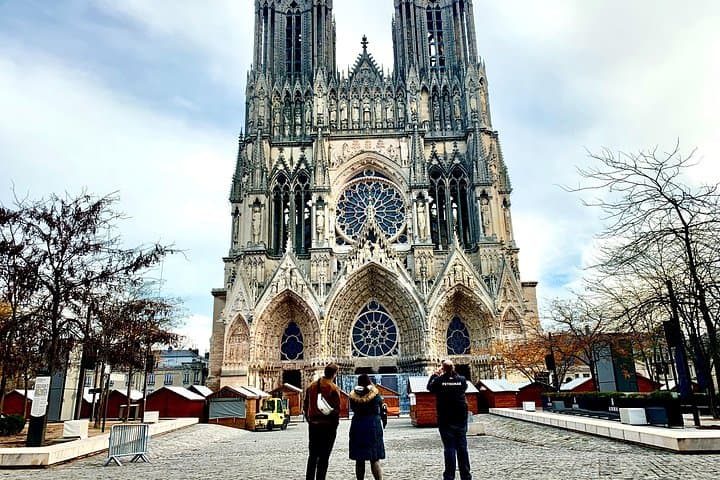
Champagne’s history is tangible here — Reims Cathedral where kings were crowned, medieval abbeys, and the village of Hautvillers where Dom Pérignon once worked. Geology matters: the region’s chalk subsoil stores water and reflects light, giving the wines their crispness and the cellars their perfect humidity. Culture is small-scale and convivial; independent growers trade knowledge in courtyards and tasting rooms where soil, yeast, and craft meet.
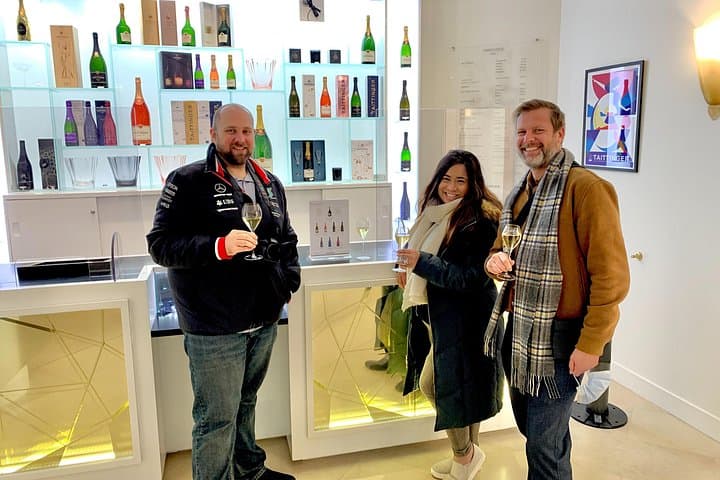
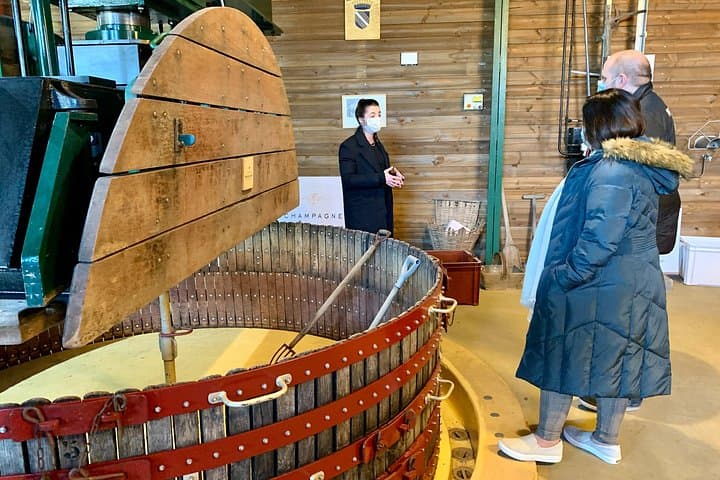
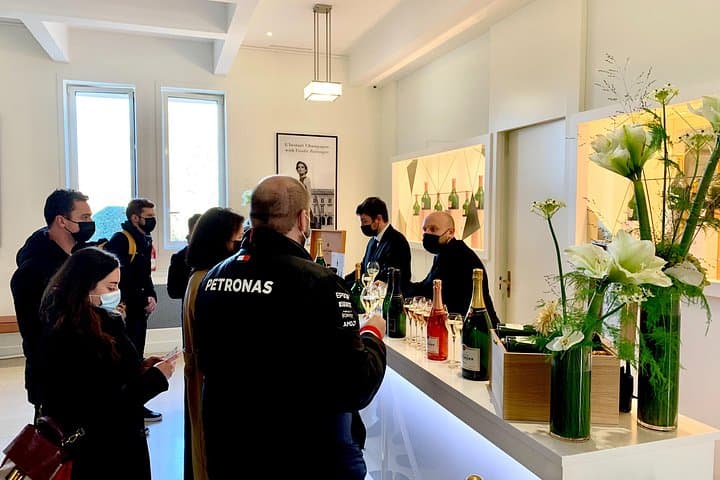
The day blends architecture, terroir, and behind-the-scenes cellar time: a guided visit to the Notre-Dame de Reims, a structured tasting with the Taittinger team, then a quieter house with family-run production and two tastings to compare style and philosophy.
Practical guidance: expect a full nine-hour day with light walking, cellar stairs, and short village strolls. Wear supportive shoes and layers — cellars stay cool. Bring a reusable water bottle, ID for tastings, and a small daypack for purchases. Timing matters: midweek visits feel less crowded; ask your guide to linger at a vineyard viewpoint for a quick photo as late afternoon light flattens the rows. This is a leisure-forward tour for curious travelers who want both history and the technical side of how Champagne is made.
moderate.
9 hours.
Moderate fitness; comfortable standing, walking short distances, and ascending cellar stairs is required.
Tastings at the two producers named in the itinerary are included as indicated, but checks with the operator confirm whether any boutique purchases or extra cellar experiences incur additional charges.
Pickup locations are arranged at booking — common options include centrally located hotels or designated metro-accessible points; confirm the exact spot and time when you reserve.
Infant seats are available but the tour focuses on adult-oriented winery visits; children can join but tastings are for adults only and some walking is required.
Yes — most guests transport bottles in their vehicle trunk, but consider a protective wine shipper for fragile purchases and check allowance rules if flying the same day.
Reims Cathedral was the coronation site for most medieval French kings, while Hautvillers is linked to Dom Pérignon and early Champagne innovation.
Many growers in Champagne are adopting organic and biodynamic practices to protect the chalk soils and reduce chemical inputs; visitors can support sustainable producers by asking about viticulture methods.
Parismatic Tour operates guided outdoor trips and adventures with an emphasis on safety, stewardship, and memorable experiences.
You step out of Paris traffic into a different rhythm: grape-lined roads, chalky slopes, and villages that keep their own calendar. The Mercedes minivan hums along the Marne valley while your guide points to rows of pinot and chardonnay climbing the Montagne de Reims; the vineyards seem to lean toward the sun as if eager to share their next bottle.
You step out of Paris traffic into a different rhythm: grape-lined roads, chalky slopes, and villages that keep their own calendar. The Mercedes minivan hums along the Marne valley while your guide points to rows of pinot and chardonnay climbing the Montagne de Reims; the vineyards seem to lean toward the sun as if eager to share their next bottle.
Champagne’s history is tangible here — Reims Cathedral where kings were crowned, medieval abbeys, and the village of Hautvillers where Dom Pérignon once worked. Geology matters: the region’s chalk subsoil stores water and reflects light, giving the wines their crispness and the cellars their perfect humidity. Culture is small-scale and convivial; independent growers trade knowledge in courtyards and tasting rooms where soil, yeast, and craft meet.
The day blends architecture, terroir, and behind-the-scenes cellar time: a guided visit to the Notre-Dame de Reims, a structured tasting with the Taittinger team, then a quieter house with family-run production and two tastings to compare style and philosophy.
Practical guidance: expect a full nine-hour day with light walking, cellar stairs, and short village strolls. Wear supportive shoes and layers — cellars stay cool. Bring a reusable water bottle, ID for tastings, and a small daypack for purchases. Timing matters: midweek visits feel less crowded; ask your guide to linger at a vineyard viewpoint for a quick photo as late afternoon light flattens the rows. This is a leisure-forward tour for curious travelers who want both history and the technical side of how Champagne is made.