THE ADVENTURE COLLECTIVE® · Independent discovery and booking for outdoor travel

Spend a long day crossing borders by coach to explore Bruges on your own terms. This guided transfer plus free time itinerary combines a narrated introduction with hours of autonomous wandering through medieval squares, canals, and artisan shops.
Spend a long day crossing borders by coach to explore Bruges on your own terms. This guided transfer plus free time itinerary combines a narrated introduction with hours of autonomous wandering through medieval squares, canals, and artisan shops.
You step onto the coach at 07:00 as Paris blurs into highway—coffee in hand, seatbelt clicked—and the guide starts knitting together Bruges’ story so the city is already alive when you arrive.
Verified experiences and guided adventures in the surrounding area.
Operated by Haveatour · Bruges, West Flanders
You step onto the coach at 07:00 as Paris blurs into highway—coffee in hand, seatbelt clicked—and the guide starts knitting together Bruges’ story so the city is already alive when you arrive.
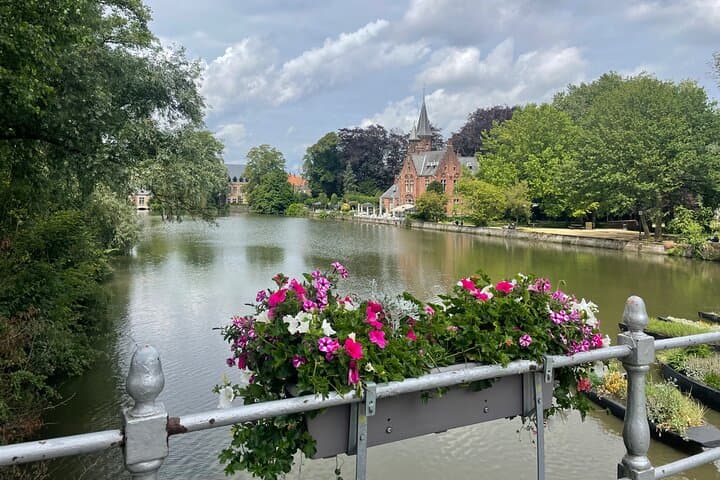
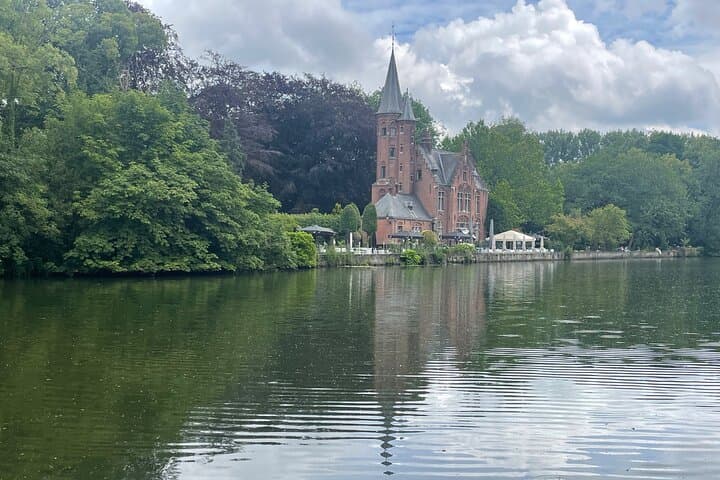
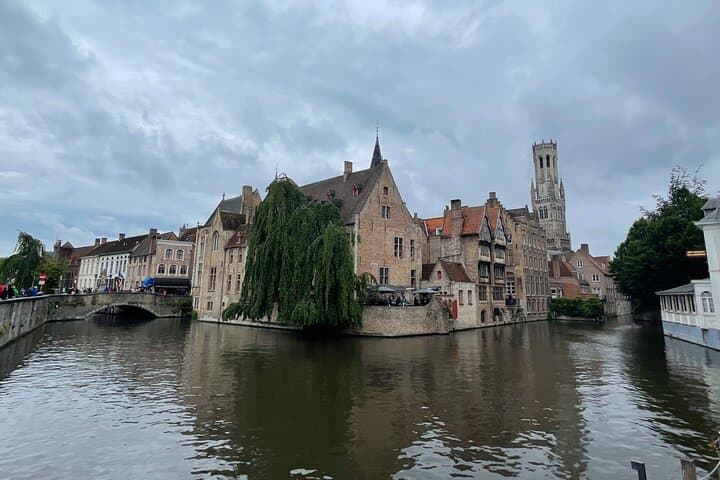
Bruges opens with a palette of brick, water, and narrow lanes: a 12th-century port that rose on reclaimed marshland and turned trade into ornament. The Belfry and Markt square mark the civic heart; the Burg holds layered Gothic and Renaissance government halls. Geologically, you’re in low-lying Flanders—canals are engineered waterways that once moved wool and wine rather than tourists.
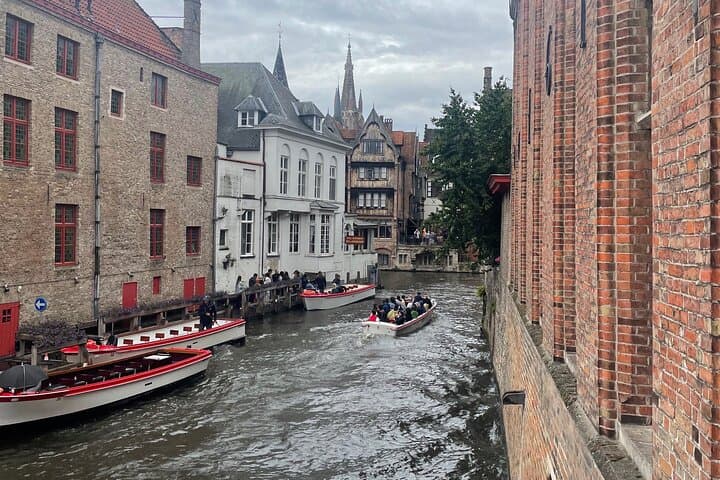
Culture arrives in smaller gestures: artisan chocolate shops, open breweries selling straight-from-the-tap beers, and lace shops that betray a craft economy older than the roads. A canal cruise can reframe the town from water level; duck under low bridges and watch currents suggest the routes goods once took.
Practicalities shape the day: the transfer is a long but comfortable road trip with a mid-route restroom stop and historical commentary onboard. You’ll have several hours free to choose museums, a boat ride, or simply wander cobbled alleys and squares. Bring a valid passport for cross-border travel, plan time around the Belfry (lines form midday), and expect mixed weather—layers make the difference between shivering by a canal and lingering over a beer. Hydrate, wear sturdy shoes for uneven stone, and carry a small map or offline directions: Bruges rewards slow, autonomous exploration.
easy.
12–14 hours.
Basic stamina for walking 3–6 miles over cobbles and standing in short lines; suitable for most adults in average health
Expect roughly 3 to 4 hours each way depending on traffic and border controls; the operator schedules a short rest stop en route.
No—canal cruises are optional and purchased locally; they typically last 20–30 minutes and operate through most of the day.
Yes—local guides and small-group walking tours depart from the Markt and Burg areas, but this package provides autonomous free time rather than an on-foot guide in the city.
The itinerary is labeled easy and works for families and older visitors who can board a coach and walk on cobbles; those with mobility issues should check accessibility for specific sites and the coach boarding.
Bruges grew into a major medieval trading port in the 12th–15th centuries; its preserved civic buildings reflect wealth from cloth and trade.
Canal traffic and high visitor numbers impact historic fabric—stick to marked paths, avoid feeding wildlife, and support local businesses to keep conservation funding flowing.
Haveatour operates guided outdoor trips and adventures with an emphasis on safety, stewardship, and memorable experiences.
You step onto the coach at 07:00 as Paris blurs into highway—coffee in hand, seatbelt clicked—and the guide starts knitting together Bruges’ story so the city is already alive when you arrive.
You step onto the coach at 07:00 as Paris blurs into highway—coffee in hand, seatbelt clicked—and the guide starts knitting together Bruges’ story so the city is already alive when you arrive.
Bruges opens with a palette of brick, water, and narrow lanes: a 12th-century port that rose on reclaimed marshland and turned trade into ornament. The Belfry and Markt square mark the civic heart; the Burg holds layered Gothic and Renaissance government halls. Geologically, you’re in low-lying Flanders—canals are engineered waterways that once moved wool and wine rather than tourists.
Culture arrives in smaller gestures: artisan chocolate shops, open breweries selling straight-from-the-tap beers, and lace shops that betray a craft economy older than the roads. A canal cruise can reframe the town from water level; duck under low bridges and watch currents suggest the routes goods once took.
Practicalities shape the day: the transfer is a long but comfortable road trip with a mid-route restroom stop and historical commentary onboard. You’ll have several hours free to choose museums, a boat ride, or simply wander cobbled alleys and squares. Bring a valid passport for cross-border travel, plan time around the Belfry (lines form midday), and expect mixed weather—layers make the difference between shivering by a canal and lingering over a beer. Hydrate, wear sturdy shoes for uneven stone, and carry a small map or offline directions: Bruges rewards slow, autonomous exploration.