THE ADVENTURE COLLECTIVE® · Independent discovery and booking for outdoor travel

A full-day private drive from Naples that threads Sorrento, the Amalfi cliffs and Positano before exploring the vast ruins of Pompeii. Expect scenic photo stops, uneven surfaces, and a solid 7–8 hour rhythm with options for a private guide at the ruins.
A full-day private drive from Naples that threads Sorrento, the Amalfi cliffs and Positano before exploring the vast ruins of Pompeii. Expect scenic photo stops, uneven surfaces, and a solid 7–8 hour rhythm with options for a private guide at the ruins.
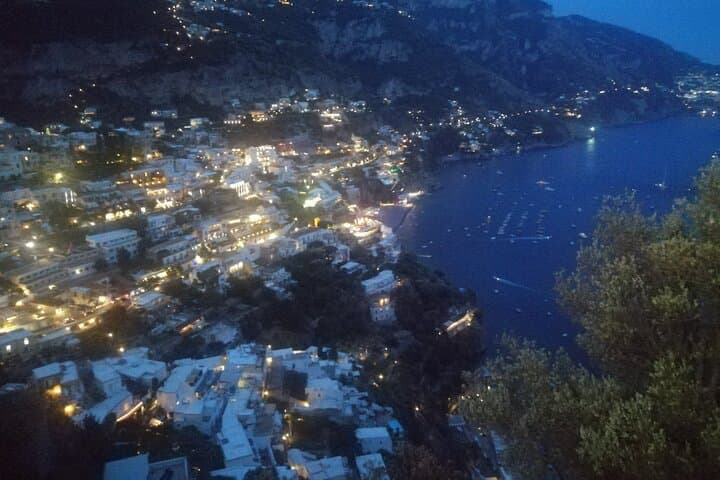
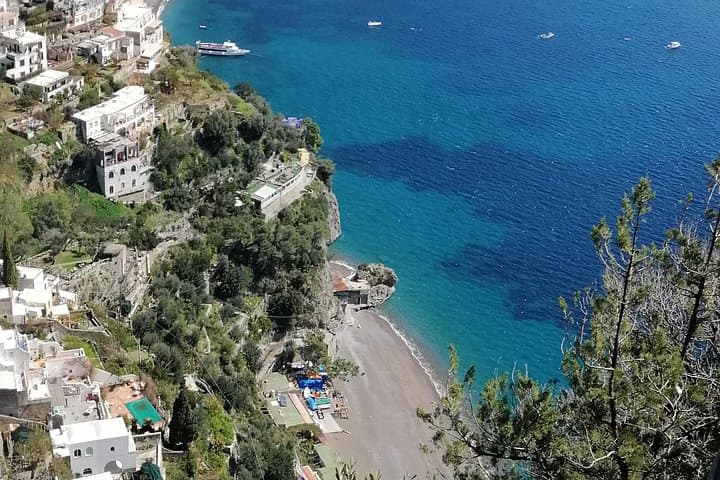
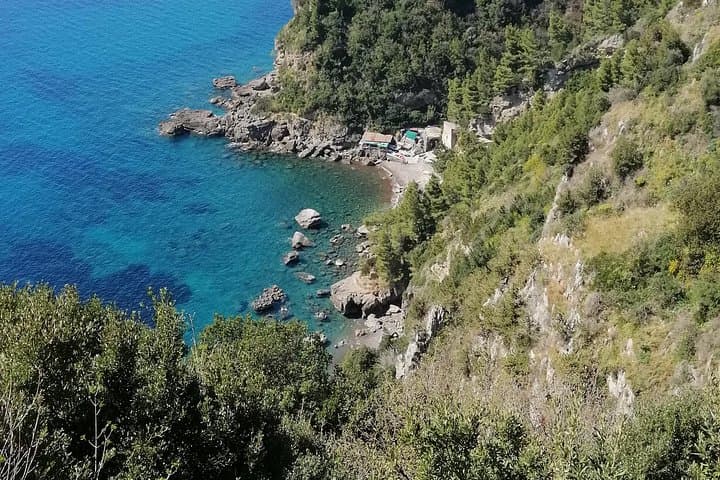
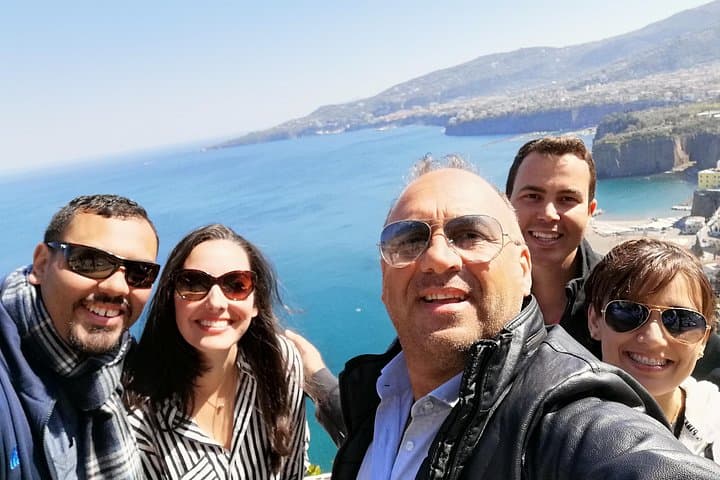
You step into a Sicilian-blue morning as the minivan peels away from Naples, the sea sliding into view and Mt. Vesuvius brooding on the horizon. The road climbs into citrus-scented air; the Amalfi cliffs unroll like a vertical coast daring you to look down. Stops in Sorrento and Positano punctuate the drive—paved lanes, stair-stepped houses, and pebble beaches where the tide writes and erases footprints.
Verified experiences and guided adventures in the surrounding area.
Operated by Italydriver · Pompeii, Campania
You step into a Sicilian-blue morning as the minivan peels away from Naples, the sea sliding into view and Mt. Vesuvius brooding on the horizon. The road climbs into citrus-scented air; the Amalfi cliffs unroll like a vertical coast daring you to look down. Stops in Sorrento and Positano punctuate the drive—paved lanes, stair-stepped houses, and pebble beaches where the tide writes and erases footprints.
The day pivots at Pompeii, an archaeological city suspended by the 79 AD eruption. Walking its grid of streets and frescoed villas brings Roman domestic life into sharp focus: bakeries, baths, and plaster casts that preserve a sudden silence. Geologically, the area is young—volcanic soil feeds lemon groves and shapes the steep coastal topography that made small seafaring republics of Amalfi towns.
Culture here is public and tactile: espresso at a bar, a limoncello stand, and vendors selling ceramics with bold pigments. Local insights matter—small alleyways in Sorrento lead to quieter viewpoints; Nocelle above Positano offers a dramatic, less-crowded panorama.
Practical guidance: leave Naples early to avoid traffic, carry water and sun protection, and allow 90–120 minutes at Pompeii if you want to see the main ruins; add a guided walk to skip queues and deepen context. Wear solid shoes—the ruins and Positano’s steps are uneven. Expect a full 7–8 hour day with flexible photo stops and time for a seaside lunch.
moderate.
7–8 hours.
Light–moderate fitness; able to walk on uneven ground and climb stairs for short periods.
Yes—private transfer includes hotel or port pickup and drop-off; cruise passengers should provide ship and docking details when booking.
The suggested stop is about 90–120 minutes; a private local guide can focus your visit to highlights within that timeframe.
Admission is not included by default; check booking details and arrange skip-the-line tickets or a licensed local guide if desired.
The tour involves walking on uneven ground and steps, so it’s suitable for most children but may be challenging for those with limited mobility—contact the operator about tailored pickup and shorter on-site routes.
Pompeii preserves a snapshot of Roman urban life frozen by Vesuvius in 79 AD; the Amalfi Coast’s towns grew as maritime centers in the Middle Ages.
High visitor volume stresses fragile ruins and cliffside ecosystems—stay on marked paths, avoid touching frescoes, and support local businesses to reduce tourist pressure.
Italydriver operates guided outdoor trips and adventures with an emphasis on safety, stewardship, and memorable experiences.
You step into a Sicilian-blue morning as the minivan peels away from Naples, the sea sliding into view and Mt. Vesuvius brooding on the horizon. The road climbs into citrus-scented air; the Amalfi cliffs unroll like a vertical coast daring you to look down. Stops in Sorrento and Positano punctuate the drive—paved lanes, stair-stepped houses, and pebble beaches where the tide writes and erases footprints.
You step into a Sicilian-blue morning as the minivan peels away from Naples, the sea sliding into view and Mt. Vesuvius brooding on the horizon. The road climbs into citrus-scented air; the Amalfi cliffs unroll like a vertical coast daring you to look down. Stops in Sorrento and Positano punctuate the drive—paved lanes, stair-stepped houses, and pebble beaches where the tide writes and erases footprints.
The day pivots at Pompeii, an archaeological city suspended by the 79 AD eruption. Walking its grid of streets and frescoed villas brings Roman domestic life into sharp focus: bakeries, baths, and plaster casts that preserve a sudden silence. Geologically, the area is young—volcanic soil feeds lemon groves and shapes the steep coastal topography that made small seafaring republics of Amalfi towns.
Culture here is public and tactile: espresso at a bar, a limoncello stand, and vendors selling ceramics with bold pigments. Local insights matter—small alleyways in Sorrento lead to quieter viewpoints; Nocelle above Positano offers a dramatic, less-crowded panorama.
Practical guidance: leave Naples early to avoid traffic, carry water and sun protection, and allow 90–120 minutes at Pompeii if you want to see the main ruins; add a guided walk to skip queues and deepen context. Wear solid shoes—the ruins and Positano’s steps are uneven. Expect a full 7–8 hour day with flexible photo stops and time for a seaside lunch.