THE ADVENTURE COLLECTIVE® · Independent discovery and booking for outdoor travel

A compact shore excursion that pairs the raw presence of Mount Etna with the hilltop elegance of Taormina. Ideal for cruisers who want high-impact sights and minimal fuss in 6–8 hours.
A compact shore excursion that pairs the raw presence of Mount Etna with the hilltop elegance of Taormina. Ideal for cruisers who want high-impact sights and minimal fuss in 6–8 hours.
You step off the gangway into a harbor air that tastes faintly of salt and citrus, and within an hour the coastline has given way to lava-scarred ridges. The van threads narrow Sicilian roads as Mount Etna, broad and deliberate, dominates the skyline—its slopes both raw and inviting. By mid-morning you're at roughly 2,000 m, where cooled craters sit like black bowls and the wind seems to push you toward the rim.
Verified experiences and guided adventures in the surrounding area.
Operated by Sicily Best Tour · Messina, Sicily
You step off the gangway into a harbor air that tastes faintly of salt and citrus, and within an hour the coastline has given way to lava-scarred ridges. The van threads narrow Sicilian roads as Mount Etna, broad and deliberate, dominates the skyline—its slopes both raw and inviting. By mid-morning you're at roughly 2,000 m, where cooled craters sit like black bowls and the wind seems to push you toward the rim.
Mount Etna is Europe’s largest active volcano with eruptions recorded since antiquity; its geology is a living lesson in basalt flows, pumice fields, and young soils that feed vineyards below. Taormina, later in the day, offers an abrupt cultural turn: a hilltop town developed during Greek and Roman eras, where the ancient Greek-Roman theatre still frames the sea and Etna beyond.
Expect short, manageable walks at high elevation, shop-lined Corso Umberto, and a quick photo stop at Messina’s astronomical clock. Local guides focus on easy access points—this is a shore-friendly itinerary designed to move efficiently for cruisers.
Practical tips: layer for rapid temperature change between coast and high altitude; bring sun protection and a reusable water bottle; allow time for traffic between sites—transfers and port pickup are usually included. Comfortable walking shoes and a light windproof jacket will carry you through cobbled streets and gusty crater rims. For a tight shore window, prioritize the crater walk and the Greek theatre—both deliver a compact, high-return taste of eastern Sicily.
moderate.
6–7 hours.
Suitable for travelers in average physical condition who can manage short uphill walks at altitude and periods of standing.
Short walks to view inactive craters at about 2,000 m; routes are generally short but include uneven volcanic rock.
Admission is typically not included on group shore excursions—most itineraries allow external viewing and time to wander Corso Umberto.
Pick-up and drop-off are organized from the port area with an aim to be punctual, but allow extra time for local traffic or ship boarding procedures.
Yes—it's marketed as physically easy overall, but those sensitive to altitude or with mobility limits should check specific walking distances and request assistance if needed.
The area has layered histories—from Greek colonies and Roman theatres to medieval port defenses; Etna shaped settlement and agriculture for millennia.
Etna’s landscapes are fragile—stick to marked paths, avoid collecting rocks or plant material, and support local guides who promote responsible access.
Sicily Best Tour operates guided outdoor trips and adventures with an emphasis on safety, stewardship, and memorable experiences.
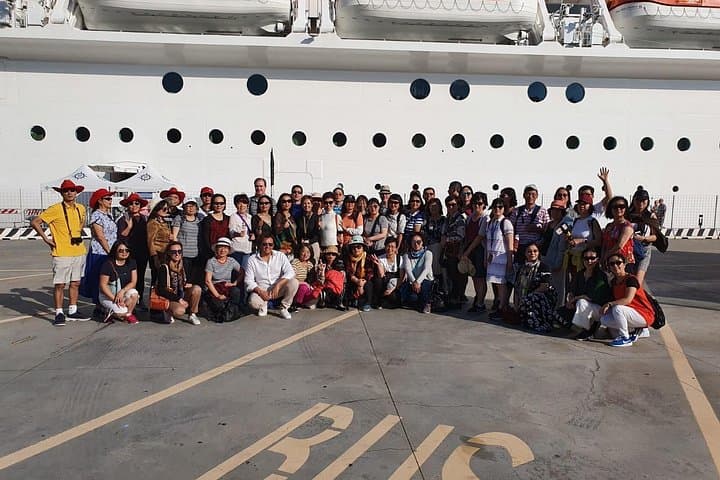
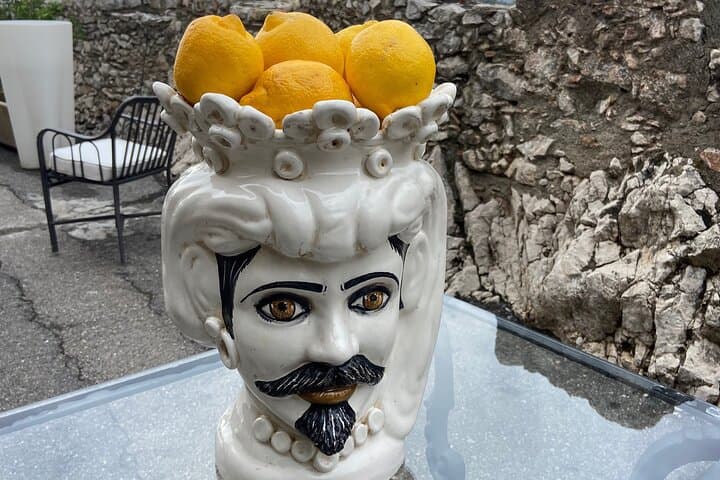
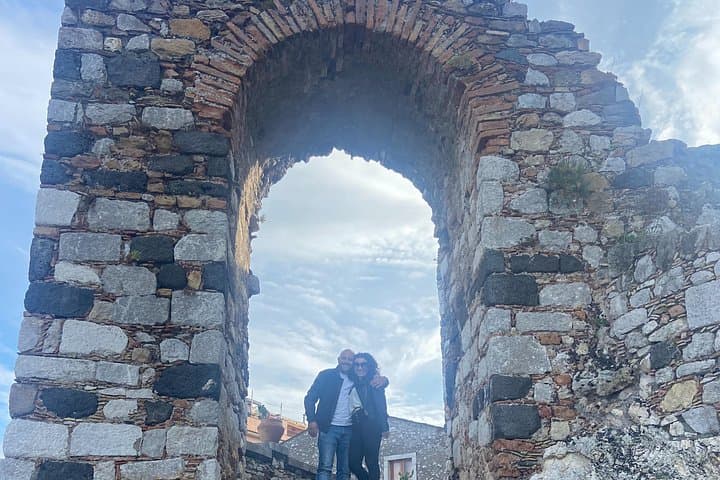
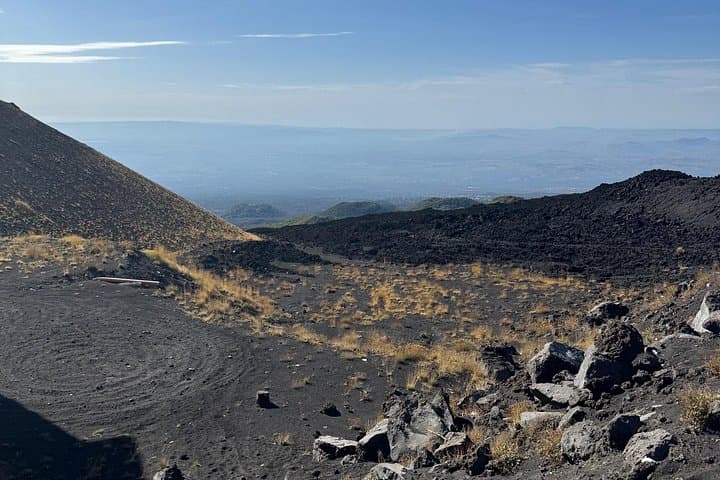
You step off the gangway into a harbor air that tastes faintly of salt and citrus, and within an hour the coastline has given way to lava-scarred ridges. The van threads narrow Sicilian roads as Mount Etna, broad and deliberate, dominates the skyline—its slopes both raw and inviting. By mid-morning you're at roughly 2,000 m, where cooled craters sit like black bowls and the wind seems to push you toward the rim.
You step off the gangway into a harbor air that tastes faintly of salt and citrus, and within an hour the coastline has given way to lava-scarred ridges. The van threads narrow Sicilian roads as Mount Etna, broad and deliberate, dominates the skyline—its slopes both raw and inviting. By mid-morning you're at roughly 2,000 m, where cooled craters sit like black bowls and the wind seems to push you toward the rim.
Mount Etna is Europe’s largest active volcano with eruptions recorded since antiquity; its geology is a living lesson in basalt flows, pumice fields, and young soils that feed vineyards below. Taormina, later in the day, offers an abrupt cultural turn: a hilltop town developed during Greek and Roman eras, where the ancient Greek-Roman theatre still frames the sea and Etna beyond.
Expect short, manageable walks at high elevation, shop-lined Corso Umberto, and a quick photo stop at Messina’s astronomical clock. Local guides focus on easy access points—this is a shore-friendly itinerary designed to move efficiently for cruisers.
Practical tips: layer for rapid temperature change between coast and high altitude; bring sun protection and a reusable water bottle; allow time for traffic between sites—transfers and port pickup are usually included. Comfortable walking shoes and a light windproof jacket will carry you through cobbled streets and gusty crater rims. For a tight shore window, prioritize the crater walk and the Greek theatre—both deliver a compact, high-return taste of eastern Sicily.