THE ADVENTURE COLLECTIVE® · Independent discovery and booking for outdoor travel

Escape Marrakesh for a day on Morocco’s Atlantic coast: Essaouira’s wind-swept harbour, argan cooperatives and 16th-century Skala fortress deliver culture, craft and seaside air. Practical tips and timing make this a doable, rewarding day trip.
Escape Marrakesh for a day on Morocco’s Atlantic coast: Essaouira’s wind-swept harbour, argan cooperatives and 16th-century Skala fortress deliver culture, craft and seaside air. Practical tips and timing make this a doable, rewarding day trip.
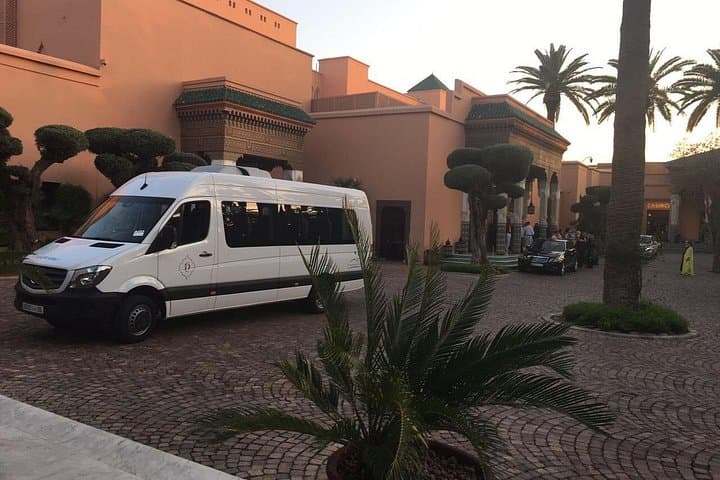
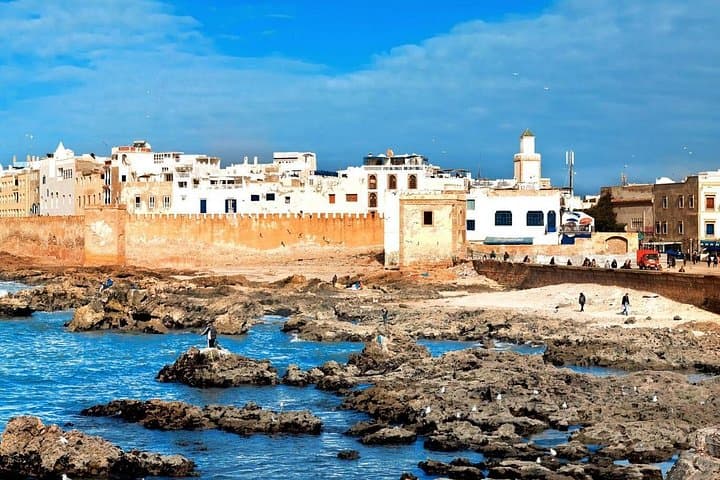
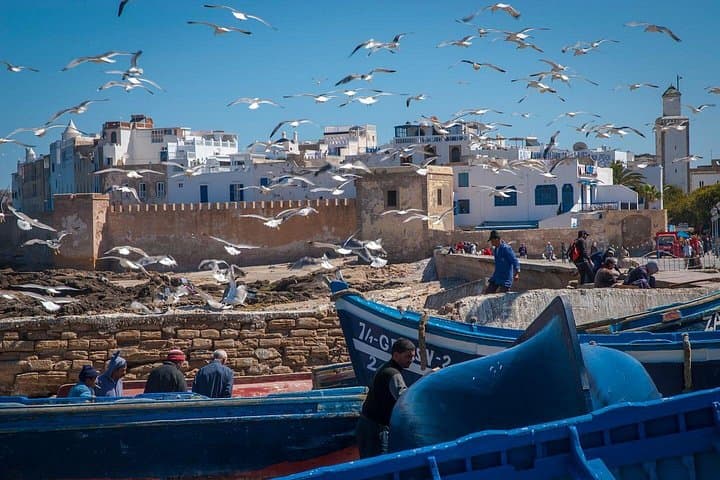
The salt wind from the Atlantic is the first thing visitors notice as the minibus eases into Essaouira: gulls call overhead, blue fishing boats rock in the harbour, and the low white ramparts of the Portuguese Skala cut a hard edge against the sky.
Verified experiences and guided adventures in the surrounding area.
Operated by JD Morocco Tours, Sarl · Essaouira, Marrakesh-Safi
The salt wind from the Atlantic is the first thing visitors notice as the minibus eases into Essaouira: gulls call overhead, blue fishing boats rock in the harbour, and the low white ramparts of the Portuguese Skala cut a hard edge against the sky.
This compact coastal city was a strategic port in the 16th century, its stone bastions built to watch for ships and storms. Geologically, Essaouira sits where the Atlantic meets a shallow continental shelf — sandy beaches give way to rocky headlands and wind-carved dunes, and the steady breeze has shaped both the shoreline and the local way of life.
Culturally the town mixes Berber, Arab, Jewish and European threads; woodworkers in the medina carve thuya, craftsmen sell silver and leather, and Gnawa rhythms still fill plazas during summer festivals. A stop at a women’s argan cooperative demonstrates traditional pressing techniques that support rural livelihoods.
Practical guidance is straightforward: the round trip from Marrakesh takes roughly nine hours with stops, including a short detour to the cooperative. Most exploring is on foot—expect cobbled streets, narrow alleys and stair climbs to the ramparts. Bring sun protection, local currency for markets, and a warm layer for the blustery waterfront. Time your visit for morning or late afternoon light to avoid the strongest winds and busiest market hours.
Visitors can swim in sheltered spots when seas are calm, but the Atlantic can be brisk; choose a beach guarded by locals and avoid lone swims. The day trip balances coastal scenery, hands-on culture, and a manageable dose of walking and shopping.
easy.
8–9 hours.
Suitable for travelers with basic mobility; involves several hours of walking on uneven cobbles and stairs.
The drive typically takes about 2.5–3 hours each way depending on traffic and stops, making for a roughly 8–9 hour round trip.
Yes—walking is moderate and the itinerary is rated easy; those with limited mobility should note cobbled streets and some steps at attractions.
You can swim in sheltered areas when conditions are calm, but the Atlantic can be cold and windy; follow local advice and avoid strong surf.
Visits to argan cooperatives and browsing in galleries are included as stops, but purchases, meals and museum entrance fees are typically paid separately.
Essaouira was fortified by the Portuguese in the 16th century as Mogador and later became an important Atlantic trading port, blending Berber, Arab and European influences.
Support local cooperatives and artisans to funnel income into rural communities; avoid plastic waste on beaches and follow local guidance when visiting sensitive shoreline sites.
JD Morocco Tours, Sarl operates guided outdoor trips and adventures with an emphasis on safety, stewardship, and memorable experiences.
The salt wind from the Atlantic is the first thing visitors notice as the minibus eases into Essaouira: gulls call overhead, blue fishing boats rock in the harbour, and the low white ramparts of the Portuguese Skala cut a hard edge against the sky.
The salt wind from the Atlantic is the first thing visitors notice as the minibus eases into Essaouira: gulls call overhead, blue fishing boats rock in the harbour, and the low white ramparts of the Portuguese Skala cut a hard edge against the sky.
This compact coastal city was a strategic port in the 16th century, its stone bastions built to watch for ships and storms. Geologically, Essaouira sits where the Atlantic meets a shallow continental shelf — sandy beaches give way to rocky headlands and wind-carved dunes, and the steady breeze has shaped both the shoreline and the local way of life.
Culturally the town mixes Berber, Arab, Jewish and European threads; woodworkers in the medina carve thuya, craftsmen sell silver and leather, and Gnawa rhythms still fill plazas during summer festivals. A stop at a women’s argan cooperative demonstrates traditional pressing techniques that support rural livelihoods.
Practical guidance is straightforward: the round trip from Marrakesh takes roughly nine hours with stops, including a short detour to the cooperative. Most exploring is on foot—expect cobbled streets, narrow alleys and stair climbs to the ramparts. Bring sun protection, local currency for markets, and a warm layer for the blustery waterfront. Time your visit for morning or late afternoon light to avoid the strongest winds and busiest market hours.
Visitors can swim in sheltered spots when seas are calm, but the Atlantic can be brisk; choose a beach guarded by locals and avoid lone swims. The day trip balances coastal scenery, hands-on culture, and a manageable dose of walking and shopping.