THE ADVENTURE COLLECTIVE® · Independent discovery and booking for outdoor travel

Escape Marrakech for a day on the Atlantic coast—visit argan cooperatives, explore UNESCO-listed ramparts, and watch windsurfers on Essaouira’s wide beach. This practical guide covers what to see, what to pack, and how to make the most of five hours in town.
Escape Marrakech for a day on the Atlantic coast—visit argan cooperatives, explore UNESCO-listed ramparts, and watch windsurfers on Essaouira’s wide beach. This practical guide covers what to see, what to pack, and how to make the most of five hours in town.
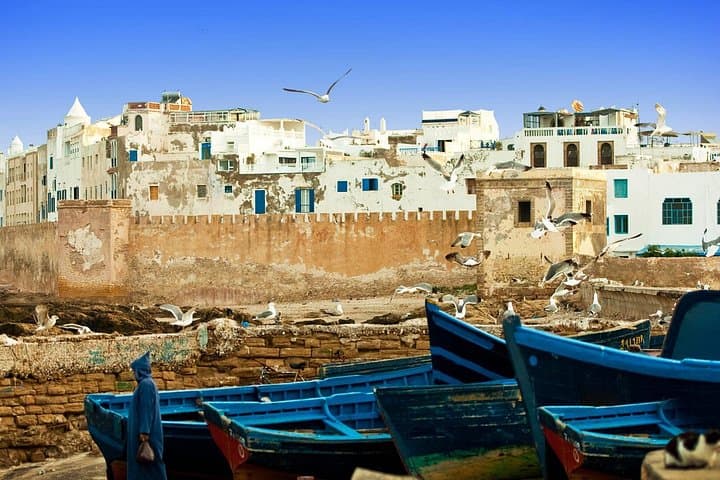
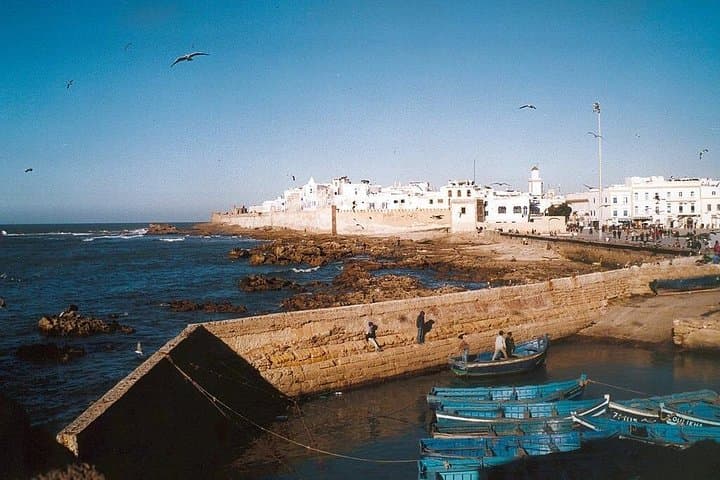
You step onto the coast as the wind pushes inland, salt on the air and gulls calling over a low, white-washed port. The road from Marrakech eases you out of the city’s bustle, past low scrub and the argan-studded hills where goats clamber into branches, then opens on Essaouira’s wide bay and the stone ramparts that meet the Atlantic.
Verified experiences and guided adventures in the surrounding area.
Operated by Marrakech Tours Excursions · Essaouira, Marrakesh-Safi
You step onto the coast as the wind pushes inland, salt on the air and gulls calling over a low, white-washed port. The road from Marrakech eases you out of the city’s bustle, past low scrub and the argan-studded hills where goats clamber into branches, then opens on Essaouira’s wide bay and the stone ramparts that meet the Atlantic.
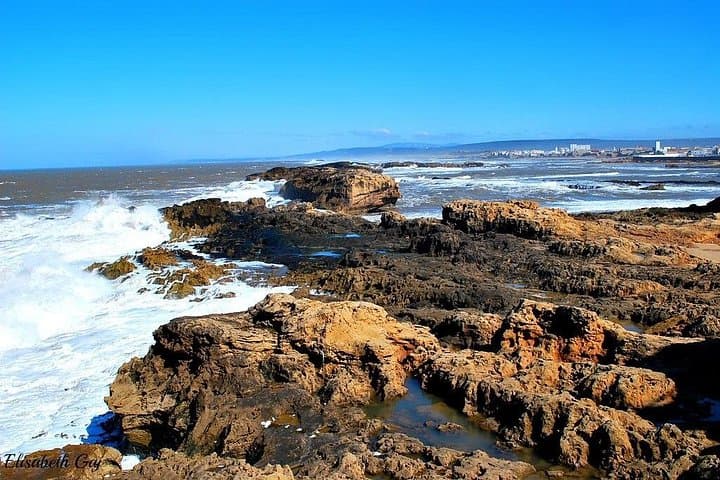
Founded as Mogador and rebuilt in the 18th century with European military design, Essaouira’s grid-like medina and timber-laced doors tell of trade with Europe and the Sahara. The shoreline is geologically recent—wind-sculpted dunes and sandy coves backed by rocky headlands—and the port still smells of fresh fish and cedar boats. Culture here balances Berber traditions, Portuguese fortifications, and artisan woodwork; argan cooperatives run by women line the road, turning discarded kernels into oil while sustaining local households.
On a typical day excursion you’ll pause at a roadside café, watch goats in argan trees, visit a women’s cooperative, and get roughly five hours to explore the medina, ramparts and town beach. Expect brisk coastal wind—perfect for windsurfing—and compact, walkable streets with small workshops and seafood stalls.
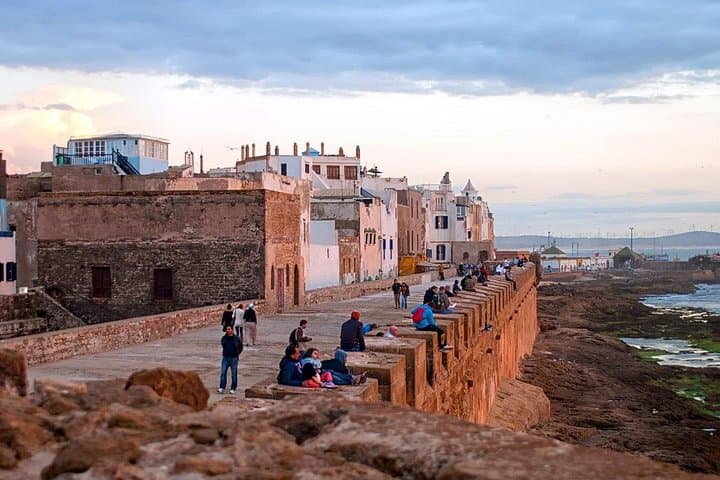
Practical guidance: wear sturdy walking shoes for cobbled alleys, bring a windproof layer and sun protection, and carry cash for small purchases at cooperatives and markets. Plan time to climb the Skala ramparts for sunset light over the bay, and leave room in your schedule for a slow seafood lunch at the port before the return drive to Marrakech.
easy.
8–10 hours.
Suitable for most fitness levels; requires moderate walking on uneven pavement for several hours
The full excursion runs about 8–10 hours round-trip, with approximately five hours free time in Essaouira.
Yes—stops typically include a women’s argan cooperative where you can see oil production and purchase locally made products.
The tour lists wheelchair-accessible transport and surfaces, but walking in the medina and up ramparts can be uneven—check with the operator about specific accessibility needs.
Lunch is not included; you’ll have time to eat at seaside cafés or market stalls—carry cash for small restaurants and stalls.
Essaouira (formerly Mogador) was rebuilt in the 18th century under Sultan Mohammed ben Abdallah with European-style fortifications and became a major trading port linking Morocco to Europe and the Sahara.
Support local argan cooperatives and small businesses to encourage sustainable livelihoods; avoid disturbing nesting seabirds and take all litter back to town bins.
Marrakech Tours Excursions operates guided outdoor trips and adventures with an emphasis on safety, stewardship, and memorable experiences.
You step onto the coast as the wind pushes inland, salt on the air and gulls calling over a low, white-washed port. The road from Marrakech eases you out of the city’s bustle, past low scrub and the argan-studded hills where goats clamber into branches, then opens on Essaouira’s wide bay and the stone ramparts that meet the Atlantic.
You step onto the coast as the wind pushes inland, salt on the air and gulls calling over a low, white-washed port. The road from Marrakech eases you out of the city’s bustle, past low scrub and the argan-studded hills where goats clamber into branches, then opens on Essaouira’s wide bay and the stone ramparts that meet the Atlantic.
Founded as Mogador and rebuilt in the 18th century with European military design, Essaouira’s grid-like medina and timber-laced doors tell of trade with Europe and the Sahara. The shoreline is geologically recent—wind-sculpted dunes and sandy coves backed by rocky headlands—and the port still smells of fresh fish and cedar boats. Culture here balances Berber traditions, Portuguese fortifications, and artisan woodwork; argan cooperatives run by women line the road, turning discarded kernels into oil while sustaining local households.
On a typical day excursion you’ll pause at a roadside café, watch goats in argan trees, visit a women’s cooperative, and get roughly five hours to explore the medina, ramparts and town beach. Expect brisk coastal wind—perfect for windsurfing—and compact, walkable streets with small workshops and seafood stalls.
Practical guidance: wear sturdy walking shoes for cobbled alleys, bring a windproof layer and sun protection, and carry cash for small purchases at cooperatives and markets. Plan time to climb the Skala ramparts for sunset light over the bay, and leave room in your schedule for a slow seafood lunch at the port before the return drive to Marrakech.