THE ADVENTURE COLLECTIVE® · Independent discovery and booking for outdoor travel

Swap Marrakech’s red-stone alleys for Casablanca’s Atlantic edge on a full-day excursion that pairs the monumental Hassan II Mosque with lively Corniche dining and neighborhood strolls. Ideal for travelers who want a coastal contrast without changing hotels.
Swap Marrakech’s red-stone alleys for Casablanca’s Atlantic edge on a full-day excursion that pairs the monumental Hassan II Mosque with lively Corniche dining and neighborhood strolls. Ideal for travelers who want a coastal contrast without changing hotels.
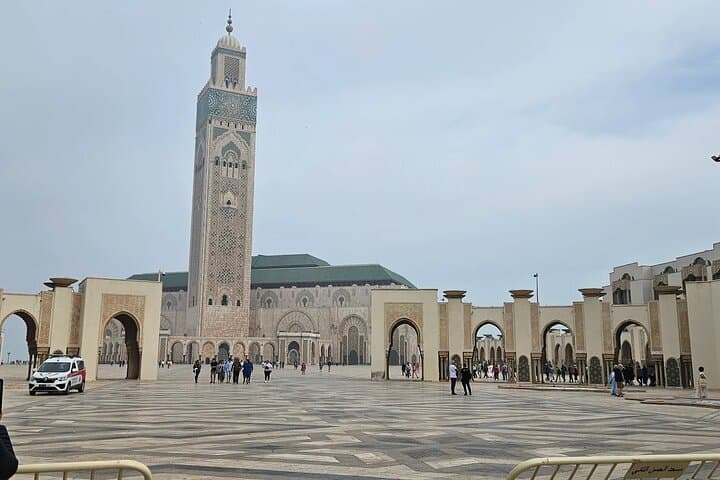
Morning light strips the ochre alleys of Marrakech as your minibus eases onto the highway toward Casablanca, the Atlantic drawing you westward like a low, persistent call. By midmorning the air cools; surf and salt take over the soundtrack and the city opens with wide boulevards, whitewashed façades and the mosque’s minaret rising over the shoreline.
Verified experiences and guided adventures in the surrounding area.
Operated by Amine Tours · Casablanca, Casablanca-Settat
Morning light strips the ochre alleys of Marrakech as your minibus eases onto the highway toward Casablanca, the Atlantic drawing you westward like a low, persistent call. By midmorning the air cools; surf and salt take over the soundtrack and the city opens with wide boulevards, whitewashed façades and the mosque’s minaret rising over the shoreline.
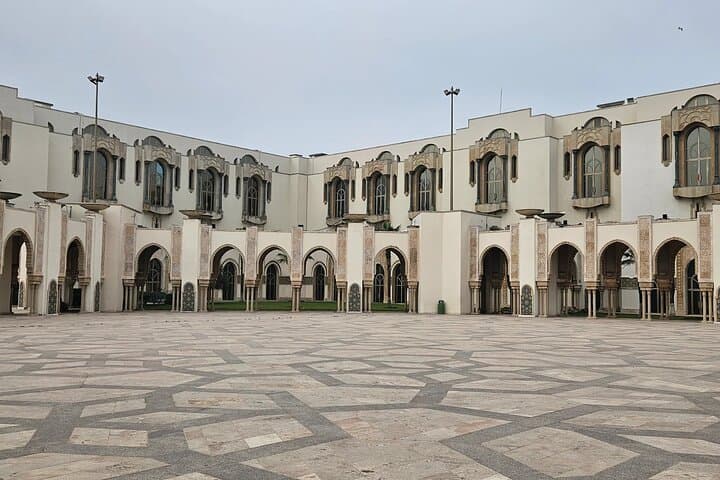
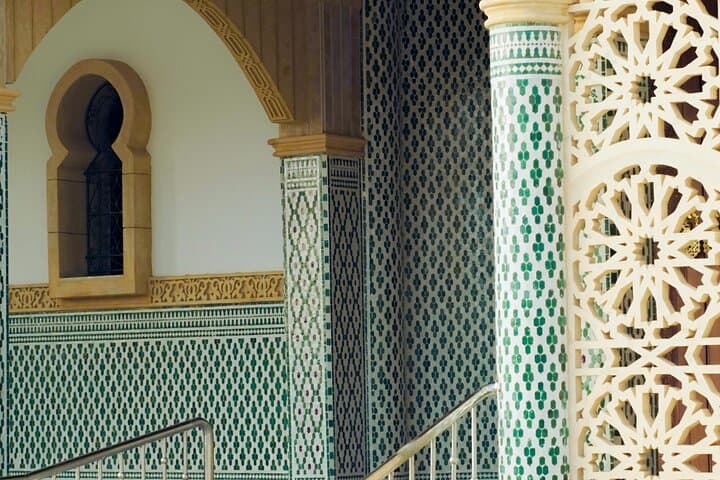
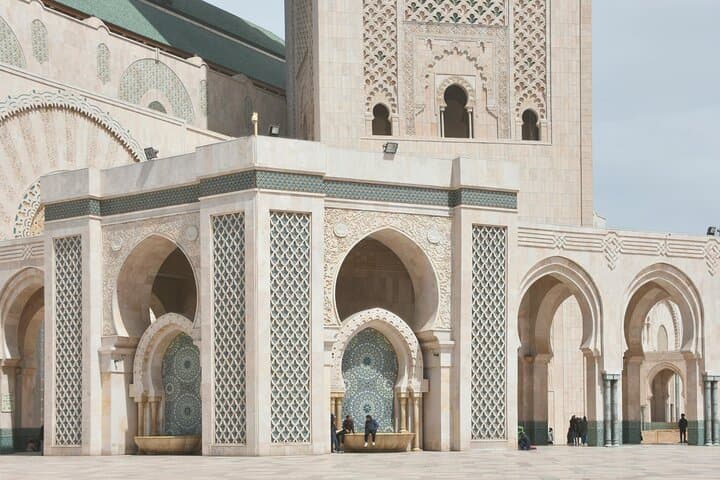
Casablanca’s modern identity is layered—French-colonial avenues and 20th-century architecture meet Islamic artistry. The Hassan II Mosque, completed in the late 1990s, perches partly over the sea and showcases intricate zellij tilework, carved cedar wood and a towering minaret that marks the coastal skyline. Nearby, United Nations Square and the Habous quarter reflect Casablanca’s commercial history and artisan traditions: bookstalls, shoemakers and cafés where locals argue football scores.
Geologically the Atlantic coast here is a wide platform of sand and rock, currents shaping a resilient shoreline that alternates busy Corniche promenades with quieter headlands. Culture is public—prayer calls, market haggling and seafood stalls more honest than polished.
Practical notes: the tour typically includes hotel pickup in Marrakech and returns in the evening (9–12 hours total). Exterior views of Hassan II are included; interior entry is optional and ticketed. Expect urban walking—paved streets, some steps and coastal breezes—so bring sun protection, a light jacket and modest clothing for mosque visits. Plan lunch on the Corniche or at a classic spot like Rick’s Café if offered. Keep travel documents at hand, carry cash for small purchases, and allow time for photography: Casablanca rewards observation.
easy.
9–12 hours.
Suitable for most fitness levels; involves several short urban walks and standing during visits.
Exterior viewing is included on the tour; interior access requires a separate ticket (approximately €14) and depends on tour timing.
Most departures offer pickup and drop-off at hotels or riads in Marrakech; confirm your pickup point when booking.
Lunch is generally on your own—many tours provide time to eat on the Corniche or at recommended restaurants; some private options may include a set lunch.
Yes; the tour notes that infants may sit on laps and specialized infant seats are sometimes available—advise the operator at booking for arrangements.
Casablanca grew rapidly under French colonial planners in the early 20th century; Hassan II Mosque, completed in 1993, reflects a late-20th-century fusion of traditional Moroccan craft and modern engineering.
The Atlantic shoreline faces erosion and urban pressure—minimize single-use plastics, respect designated walkways and avoid disturbing intertidal zones.
Amine Tours operates guided outdoor trips and adventures with an emphasis on safety, stewardship, and memorable experiences.
Morning light strips the ochre alleys of Marrakech as your minibus eases onto the highway toward Casablanca, the Atlantic drawing you westward like a low, persistent call. By midmorning the air cools; surf and salt take over the soundtrack and the city opens with wide boulevards, whitewashed façades and the mosque’s minaret rising over the shoreline.
Morning light strips the ochre alleys of Marrakech as your minibus eases onto the highway toward Casablanca, the Atlantic drawing you westward like a low, persistent call. By midmorning the air cools; surf and salt take over the soundtrack and the city opens with wide boulevards, whitewashed façades and the mosque’s minaret rising over the shoreline.
Casablanca’s modern identity is layered—French-colonial avenues and 20th-century architecture meet Islamic artistry. The Hassan II Mosque, completed in the late 1990s, perches partly over the sea and showcases intricate zellij tilework, carved cedar wood and a towering minaret that marks the coastal skyline. Nearby, United Nations Square and the Habous quarter reflect Casablanca’s commercial history and artisan traditions: bookstalls, shoemakers and cafés where locals argue football scores.
Geologically the Atlantic coast here is a wide platform of sand and rock, currents shaping a resilient shoreline that alternates busy Corniche promenades with quieter headlands. Culture is public—prayer calls, market haggling and seafood stalls more honest than polished.
Practical notes: the tour typically includes hotel pickup in Marrakech and returns in the evening (9–12 hours total). Exterior views of Hassan II are included; interior entry is optional and ticketed. Expect urban walking—paved streets, some steps and coastal breezes—so bring sun protection, a light jacket and modest clothing for mosque visits. Plan lunch on the Corniche or at a classic spot like Rick’s Café if offered. Keep travel documents at hand, carry cash for small purchases, and allow time for photography: Casablanca rewards observation.