THE ADVENTURE COLLECTIVE® · Independent discovery and booking for outdoor travel

Trade Marrakech’s alleys for stony desert plains and High Atlas villages on a full-day outing that mixes short hikes, a Berber home lunch, and a sunset camel ride. This day tour combines comfortable transport with hands-on cultural stops and adaptable walking options.
Trade Marrakech’s alleys for stony desert plains and High Atlas villages on a full-day outing that mixes short hikes, a Berber home lunch, and a sunset camel ride. This day tour combines comfortable transport with hands-on cultural stops and adaptable walking options.
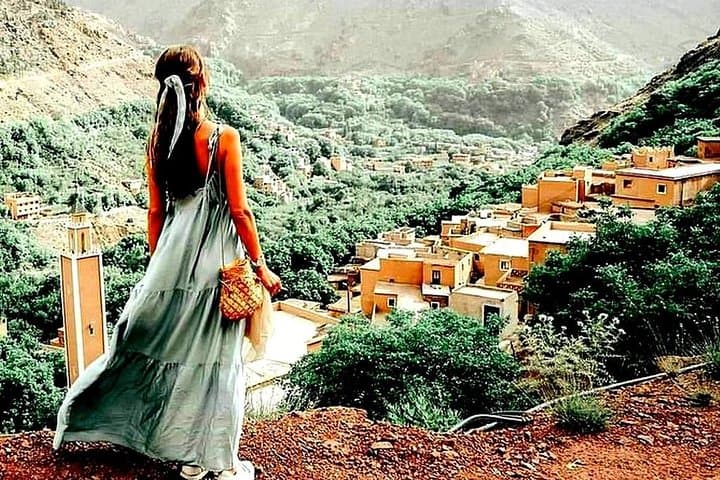
Early morning in Marrakech means the medina still yawns while the road to the Atlas tightens and the air dries. By 8:00 a.m. a minivan or 4x4 slips out of the city and climbs toward Imlil, the gateway village beneath the High Atlas. The first stretch feels alpine—irrigated terraces, walnut and cherry trees, and the distant rumble of waterfalls—before the landscape opens into the stony, ochre expanse of the Agafay plateau where sandstone and plateaus push the skyline wide.
Verified experiences and guided adventures in the surrounding area.
Operated by Things To Do From Marrakech · Marrakech, Marrakech-Safi
Early morning in Marrakech means the medina still yawns while the road to the Atlas tightens and the air dries. By 8:00 a.m. a minivan or 4x4 slips out of the city and climbs toward Imlil, the gateway village beneath the High Atlas. The first stretch feels alpine—irrigated terraces, walnut and cherry trees, and the distant rumble of waterfalls—before the landscape opens into the stony, ochre expanse of the Agafay plateau where sandstone and plateaus push the skyline wide.
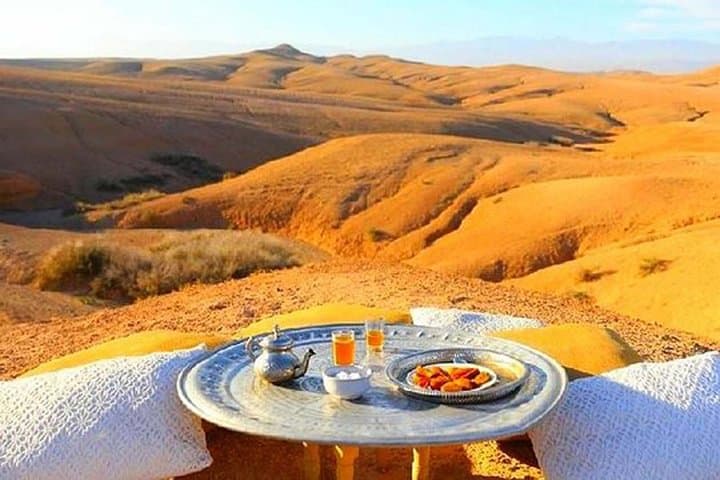
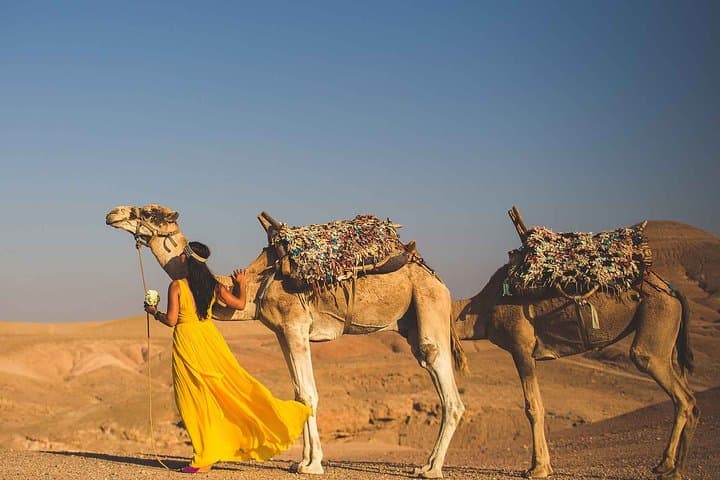
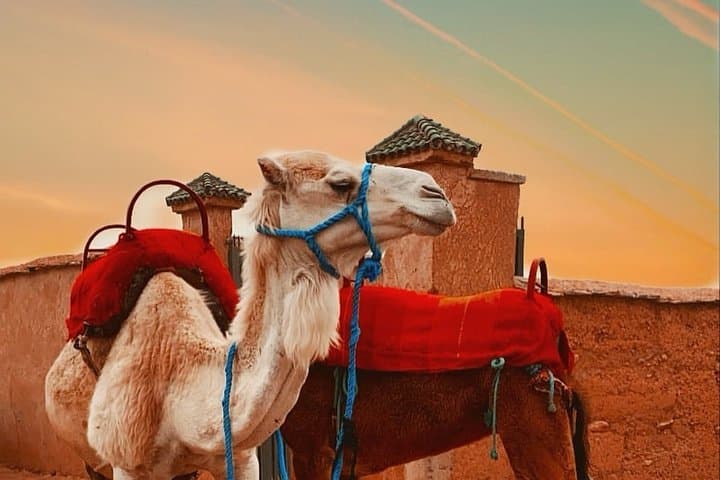
The route threads Berber hamlets where terraced farming has shaped both land and culture for centuries; guides explain local irrigation (khettaras) and the Atlas’ geological story—folded mountains born of tectonic uplift and later scoured into valleys. A stop in Imlil usually includes mint tea and a choice of short walks (1–2 hours) past cascades and ancient mule tracks; lunch in a Berber family home offers home-cooked tagines and conversation about clan life. Later, a camel ride or a plateau-side tea lets travelers watch sunset paint the desert and the mountain crests.
Practical guidance: this is a full-day outing (7–8 hours) with mostly gentle walking but uneven ground in places. Bring layered clothing for temperature swings between valley and plateau, sturdy shoes for rocky tracks, and enough water; bottled water is provided but refillable bottles are best. Expect group logistics (hotel pickup/drop-off) and a flexible schedule—your guide will tailor walk length and stops. Respect private homes and ask before photographing people; follow Leave No Trace principles in the fragile Agafay environment.
moderate.
7–8 hours.
Suitable for travelers in average fitness; expect short uphill sections and uneven footing during guided walks.
Yes—hotel pickup and drop-off in Marrakech are included; your provider will confirm the pickup point when you book.
Yes—lunch is typically a home-cooked Berber meal (tagine or similar) served with salad and tea in a local family house.
A camel ride is offered and listed in inclusions; participation is optional—let your guide know if you prefer to skip it.
Children are allowed; infant seats are available on request. The tour notes it’s not recommended for travelers with serious heart conditions.
The High Atlas has been home to Amazigh (Berber) communities for millennia; terraced agriculture and seasonal trade routes shaped the valley settlements you’ll pass.
Water is scarce in the region—minimize use and take all trash with you; support local families directly by buying food or crafts and following guides’ advice to protect fragile slopes.
Things To Do From Marrakech operates guided outdoor trips and adventures with an emphasis on safety, stewardship, and memorable experiences.
Early morning in Marrakech means the medina still yawns while the road to the Atlas tightens and the air dries. By 8:00 a.m. a minivan or 4x4 slips out of the city and climbs toward Imlil, the gateway village beneath the High Atlas. The first stretch feels alpine—irrigated terraces, walnut and cherry trees, and the distant rumble of waterfalls—before the landscape opens into the stony, ochre expanse of the Agafay plateau where sandstone and plateaus push the skyline wide.
Early morning in Marrakech means the medina still yawns while the road to the Atlas tightens and the air dries. By 8:00 a.m. a minivan or 4x4 slips out of the city and climbs toward Imlil, the gateway village beneath the High Atlas. The first stretch feels alpine—irrigated terraces, walnut and cherry trees, and the distant rumble of waterfalls—before the landscape opens into the stony, ochre expanse of the Agafay plateau where sandstone and plateaus push the skyline wide.
The route threads Berber hamlets where terraced farming has shaped both land and culture for centuries; guides explain local irrigation (khettaras) and the Atlas’ geological story—folded mountains born of tectonic uplift and later scoured into valleys. A stop in Imlil usually includes mint tea and a choice of short walks (1–2 hours) past cascades and ancient mule tracks; lunch in a Berber family home offers home-cooked tagines and conversation about clan life. Later, a camel ride or a plateau-side tea lets travelers watch sunset paint the desert and the mountain crests.
Practical guidance: this is a full-day outing (7–8 hours) with mostly gentle walking but uneven ground in places. Bring layered clothing for temperature swings between valley and plateau, sturdy shoes for rocky tracks, and enough water; bottled water is provided but refillable bottles are best. Expect group logistics (hotel pickup/drop-off) and a flexible schedule—your guide will tailor walk length and stops. Respect private homes and ask before photographing people; follow Leave No Trace principles in the fragile Agafay environment.