THE ADVENTURE COLLECTIVE® · Independent discovery and booking for outdoor travel

Trade a Madrid morning for eleven hours among Roman aqueducts, medieval ramparts and narrow Toledo lanes. This small‑group day trip packs Segovia, Ávila and Toledo into a single guided route with skip‑the‑line entries to key monuments.
Trade a Madrid morning for eleven hours among Roman aqueducts, medieval ramparts and narrow Toledo lanes. This small‑group day trip packs Segovia, Ávila and Toledo into a single guided route with skip‑the‑line entries to key monuments.
You step onto the air‑conditioned minibus as Madrid shrinks and the Castilian plain opens — a low horizon of wheat and stone leading to three compact cities that hold centuries in their walls.
Verified experiences and guided adventures in the surrounding area.
Operated by Naturanda Turismo Ambiental · Madrid, Community of Madrid
You step onto the air‑conditioned minibus as Madrid shrinks and the Castilian plain opens — a low horizon of wheat and stone leading to three compact cities that hold centuries in their walls.
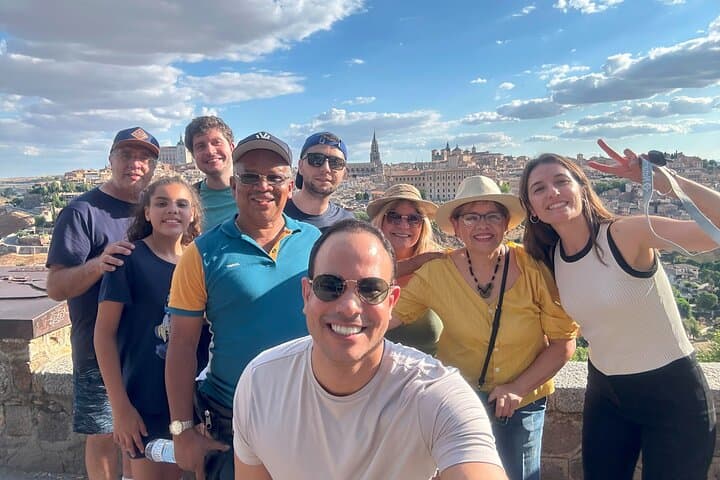
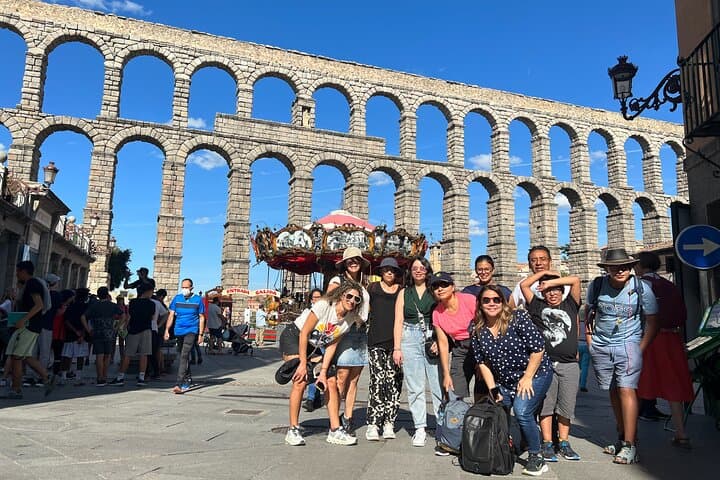
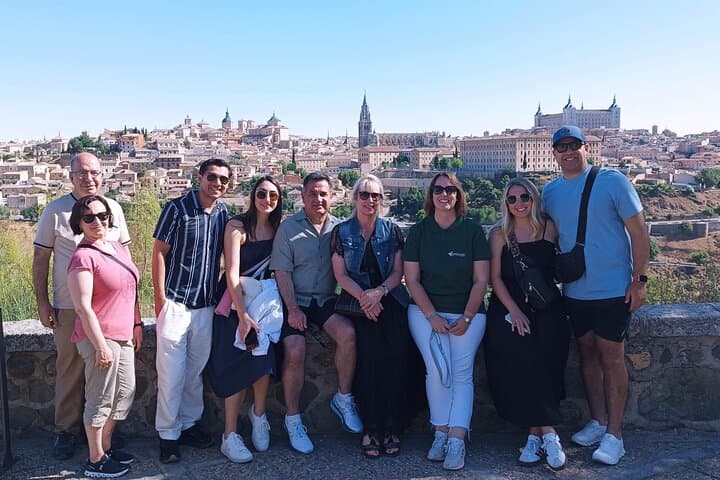
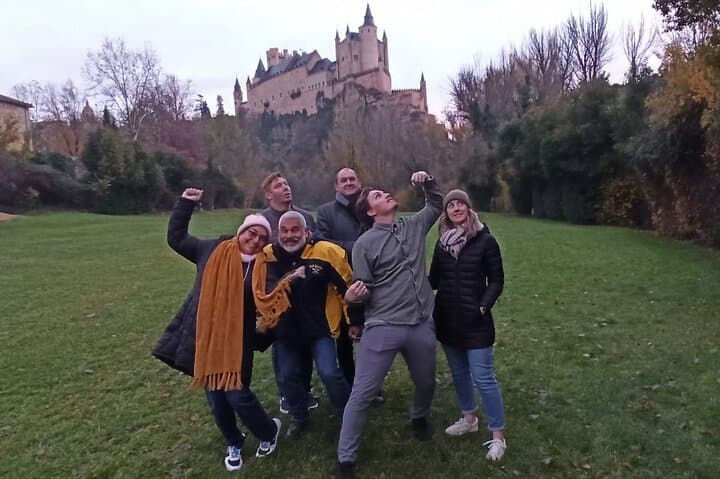
Segovia arrives first: a Roman aqueduct from the 2nd century AD arches across the Plaza Mayor and the Alcázar crouches on its rock like a medieval prow. Ávila’s thick crenellated wall, mostly 11th–12th century, cuts a clean silhouette against clear skies; inside, Romanesque churches and the cryptic necropolis echo monastic life and pilgrimage routes. Toledo tightens the day into a mosaic: the Tagus curves around the old quarter, its lanes threading churches, synagogues and mosques that explain why it’s called the City of Three Cultures.
Geology is simple but telling — granite and limestone built defensive walls and cathedrals; those stones weather differently, creating the pale, honeyed palettes you’ll see. Culture is layered: medieval artisans, Sephardic Jewish scholars, Christian clerics and Moorish craftsmen all left marks on street patterns, guild shops and liturgy.
Practicalities: the shared tour runs about 11 hours from a central Madrid meeting point, includes guided walking tours and Alcázar and Toledo Cathedral entry, and involves cobbled streets, steep steps and short uphill stretches. Wear sturdy shoes, bring a refillable water bottle, sun protection and a light layer for cathedral interiors. Plan for 60‑minute guided stops in each city and free time for quick tapas or a souvenir. Keep belongings secure — busy plazas attract crowds — and arrive 10 minutes early for check‑in.
easy.
11 hours.
Suitable for most fitness levels; requires ability to walk on uneven cobblestones and climb short flights of stairs.
The tour meets at the Naturanda Tourist Office in central Madrid and returns to the same meeting point at the end of the day.
Yes — entry to the Alcázar of Segovia and the Cathedral of Toledo are included as stated in the itinerary.
The tour lists wheelchair accessible transportation, but historic sites contain uneven surfaces and steps; contact the operator to confirm accommodations for specific mobility needs.
Yes — the schedule includes short windows of free time at each stop to grab tapas or a quick meal, though time is limited.
Segovia, Ávila and Toledo each grew around strategic locations — Roman engineers built Segovia’s aqueduct, medieval monarchs fortified Ávila, and Toledo served as a crossroad where Christian, Jewish and Muslim communities coexisted.
These UNESCO sites face wear from high visitor numbers; stick to marked paths, avoid touching carved stonework and support local conservation by using official guides and purchasing from local artisans.
Naturanda Turismo Ambiental operates guided outdoor trips and adventures with an emphasis on safety, stewardship, and memorable experiences.
You step onto the air‑conditioned minibus as Madrid shrinks and the Castilian plain opens — a low horizon of wheat and stone leading to three compact cities that hold centuries in their walls.
You step onto the air‑conditioned minibus as Madrid shrinks and the Castilian plain opens — a low horizon of wheat and stone leading to three compact cities that hold centuries in their walls.
Segovia arrives first: a Roman aqueduct from the 2nd century AD arches across the Plaza Mayor and the Alcázar crouches on its rock like a medieval prow. Ávila’s thick crenellated wall, mostly 11th–12th century, cuts a clean silhouette against clear skies; inside, Romanesque churches and the cryptic necropolis echo monastic life and pilgrimage routes. Toledo tightens the day into a mosaic: the Tagus curves around the old quarter, its lanes threading churches, synagogues and mosques that explain why it’s called the City of Three Cultures.
Geology is simple but telling — granite and limestone built defensive walls and cathedrals; those stones weather differently, creating the pale, honeyed palettes you’ll see. Culture is layered: medieval artisans, Sephardic Jewish scholars, Christian clerics and Moorish craftsmen all left marks on street patterns, guild shops and liturgy.
Practicalities: the shared tour runs about 11 hours from a central Madrid meeting point, includes guided walking tours and Alcázar and Toledo Cathedral entry, and involves cobbled streets, steep steps and short uphill stretches. Wear sturdy shoes, bring a refillable water bottle, sun protection and a light layer for cathedral interiors. Plan for 60‑minute guided stops in each city and free time for quick tapas or a souvenir. Keep belongings secure — busy plazas attract crowds — and arrive 10 minutes early for check‑in.