THE ADVENTURE COLLECTIVE® · Independent discovery and booking for outdoor travel

Traverse karst plains, meet the iconic Lipizzaner, descend into Škocjan’s cavernous river canyon, and finish with Venetian-influenced Koper and local wine. This private day tour from Ljubljana packs natural history, culture, and tasting into a single, full-bodied day on the Slovenian map.
Traverse karst plains, meet the iconic Lipizzaner, descend into Škocjan’s cavernous river canyon, and finish with Venetian-influenced Koper and local wine. This private day tour from Ljubljana packs natural history, culture, and tasting into a single, full-bodied day on the Slovenian map.
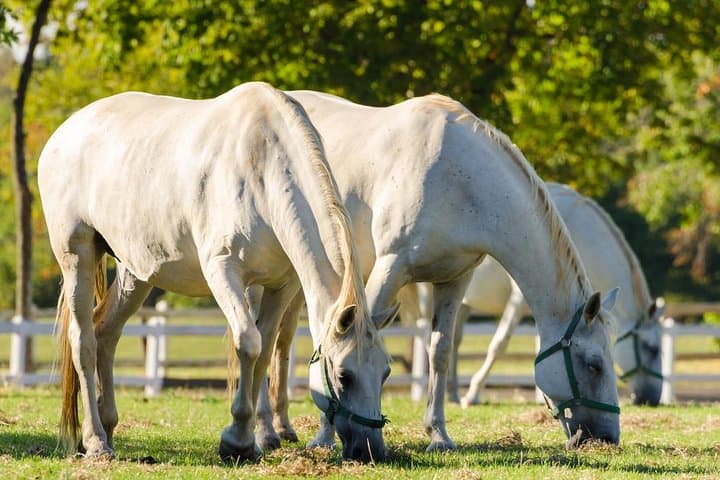
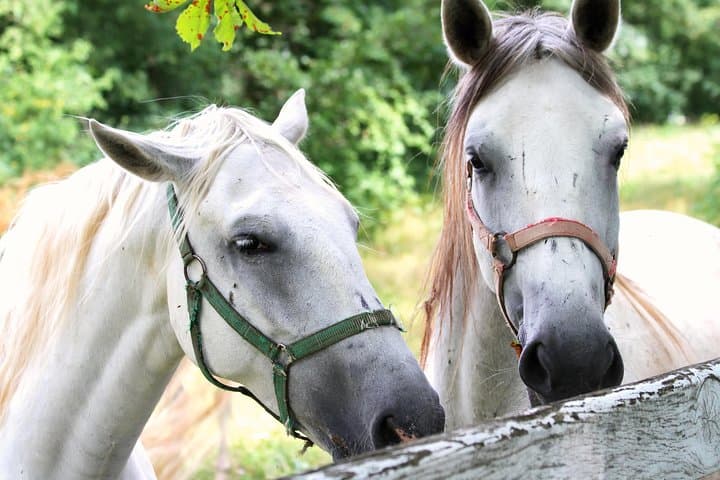
You step out of Ljubljana’s ordered streets into the open karst air and the road unfurls toward white horses and an underground canyon. Morning light hits the chalk stables at Lipica as guides usher graceful Lipizzaner through paddocks; their breath fogs the cold, their hooves tap a steady rhythm against the stone.
Verified experiences and guided adventures in the surrounding area.
Operated by Palma Travel DMC · Ljubljana, Central Slovenia
You step out of Ljubljana’s ordered streets into the open karst air and the road unfurls toward white horses and an underground canyon. Morning light hits the chalk stables at Lipica as guides usher graceful Lipizzaner through paddocks; their breath fogs the cold, their hooves tap a steady rhythm against the stone.
Lipica was established in 1580 to breed the imperial Lipizzaner, a living link to Habsburg equestrian tradition. The drive across the Karst reveals limestone plateaus pitted with sinkholes and dry valleys—geology that carved the Škocjan Caves into one of the world’s largest subterranean canyons. The caves’ echoing chambers and a rushing subterranean river tell a slow story of water daring downward through limestone over millennia.
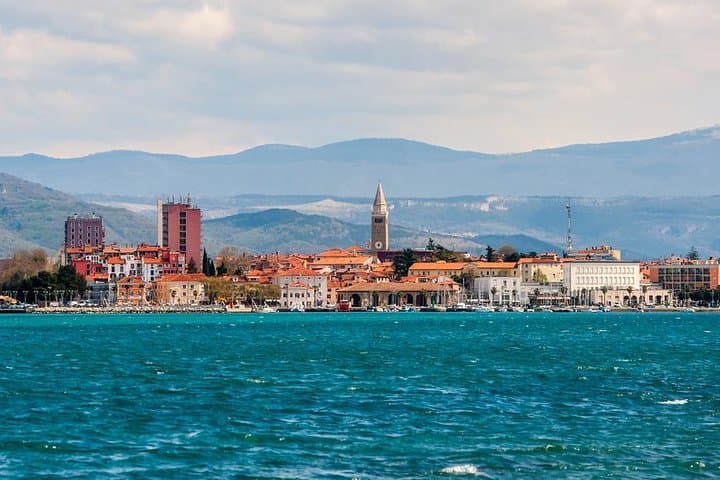
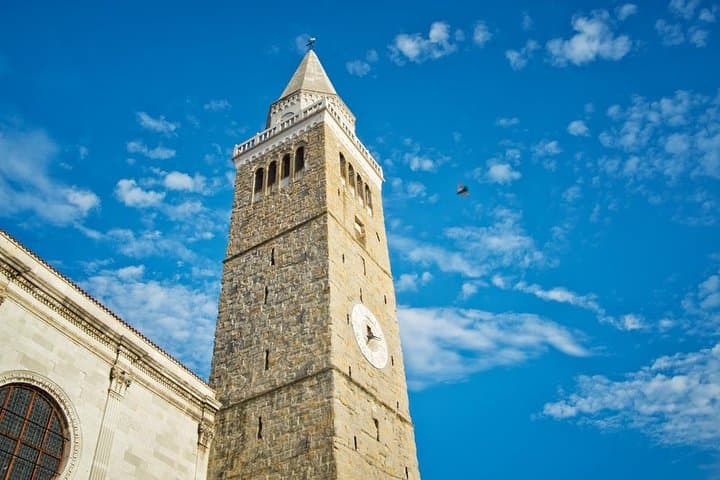
Koper shifts the mood again: a working Adriatic port with Venetian Gothic facades and narrow city alleys where prosciutto and Istrian wines taste of sun and salt. Local cellar visits pair regional Malvasia and Refošk with cured pork—simple ingredients rooted in karst soils and coastal trade.
Practical guide: expect a long, full day—about 10–11 hours with three main stops and short walks at each. Caves are cool and damp; wear closed shoes and a light waterproof layer. Mobility is generally easy, but uneven steps and slick rock are common in natural sites. Bring water, a camera with a modest low-light setting (flash restricted in caves), and an appetite for tasting local products. The route is best done with a guide to navigate history, timing, and cave regulations; leave space in your schedule for slow, attentive moments at each place.
easy.
10–11 hours.
Accessible to most fitness levels; involves standing, walking on uneven surfaces and short stair sections.
This private tour runs about 10–11 hours and typically begins with hotel pickup in Ljubljana.
Yes—paths are well-maintained but include stairs and some uneven sections; check with the operator about specific mobility needs.
Yes—entrance to Lipica and Škocjan plus a local wine and prosciutto tasting are included in this tour price.
Photography is usually allowed but without flash to protect formations; tripods may be restricted—follow guide and site rules.
Lipica stud farm dates to 1580 and is one of Europe’s oldest stud farms; Škocjan Caves are a UNESCO site that showcase classic karst development and underground river canyons.
The Karst and cave systems are fragile—stay on marked trails, avoid touching formations, and support local guides and producers to fund preservation.
Palma Travel DMC operates guided outdoor trips and adventures with an emphasis on safety, stewardship, and memorable experiences.
You step out of Ljubljana’s ordered streets into the open karst air and the road unfurls toward white horses and an underground canyon. Morning light hits the chalk stables at Lipica as guides usher graceful Lipizzaner through paddocks; their breath fogs the cold, their hooves tap a steady rhythm against the stone.
You step out of Ljubljana’s ordered streets into the open karst air and the road unfurls toward white horses and an underground canyon. Morning light hits the chalk stables at Lipica as guides usher graceful Lipizzaner through paddocks; their breath fogs the cold, their hooves tap a steady rhythm against the stone.
Lipica was established in 1580 to breed the imperial Lipizzaner, a living link to Habsburg equestrian tradition. The drive across the Karst reveals limestone plateaus pitted with sinkholes and dry valleys—geology that carved the Škocjan Caves into one of the world’s largest subterranean canyons. The caves’ echoing chambers and a rushing subterranean river tell a slow story of water daring downward through limestone over millennia.
Koper shifts the mood again: a working Adriatic port with Venetian Gothic facades and narrow city alleys where prosciutto and Istrian wines taste of sun and salt. Local cellar visits pair regional Malvasia and Refošk with cured pork—simple ingredients rooted in karst soils and coastal trade.
Practical guide: expect a long, full day—about 10–11 hours with three main stops and short walks at each. Caves are cool and damp; wear closed shoes and a light waterproof layer. Mobility is generally easy, but uneven steps and slick rock are common in natural sites. Bring water, a camera with a modest low-light setting (flash restricted in caves), and an appetite for tasting local products. The route is best done with a guide to navigate history, timing, and cave regulations; leave space in your schedule for slow, attentive moments at each place.